Top 10 Cute Cat Illustrators for Art Licensing
Few subjects sell quite like a charming cat. From greeting cards and stationery to wallpaper, fabric, and homeware, feline art has a way of turning browsers into buyers — which is exactly why art directors and licensing agents keep coming back to artists who draw cats with real personality. As a cute-cat illustrator and surface pattern designer working in the art licensing world myself, I spend a lot of time admiring the people who do it best.
So here it is: my list of ten cute cat illustrators whose work I love and whose style is tailor-made for licensing. Each one brings something different — kawaii sweetness, witty humor, retro charm, painterly softness — but they all share that rare ability to make a cat feel like a character a brand would want on its products. Give them a follow, study their collections, and reach out if you’re an art director looking for cat art that sells.
1. Cat Coquillette (CatCoq)
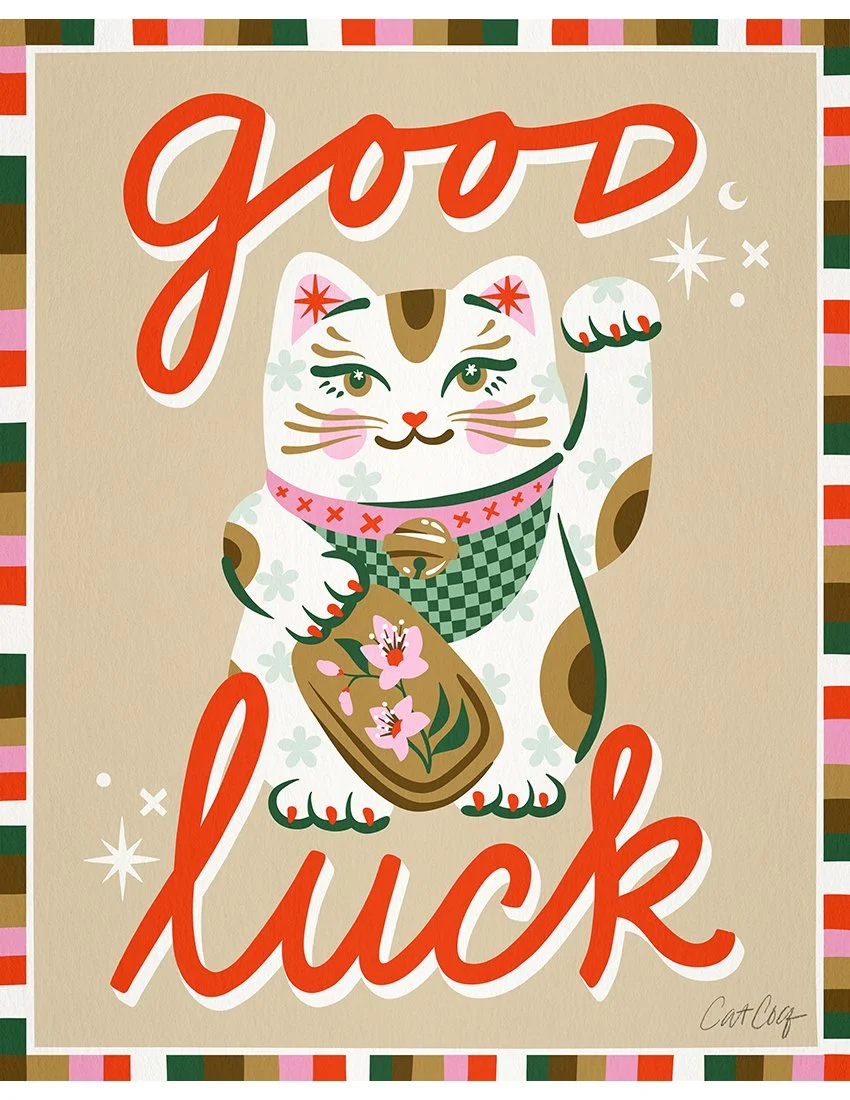
Image credit: Cat Coquillette
Cat Coquillette, who works under the brand CatCoq, is one of the most recognizable names in licensed illustration today. Her travel-inspired art blends hand-painted watercolor with intricate vector work, all bursting with bright color, whimsical patterns, and playful flora and fauna. Licensed by retailers including Anthropologie, Target, Disney, Urban Outfitters, HomeGoods, and Nordstrom — and represented by Jewel Branding & Licensing — she’s a masterclass in how a cohesive, joyful brand voice translates across hundreds of products. For art directors, she’s proof that a strong point of view scales beautifully.
Beyond her art, Cat is someone I admire just as much for her heart. She devotes real time to volunteering with street cats in Thailand, supporting TNR (trap-neuter-return) efforts that humanely care for and stabilize the local cat population. It’s a beautiful reminder that loving cats isn’t only about drawing them — it’s about showing up for the real ones, too, and Cat does exactly that.
Website | Instagram
2. Terry Runyan
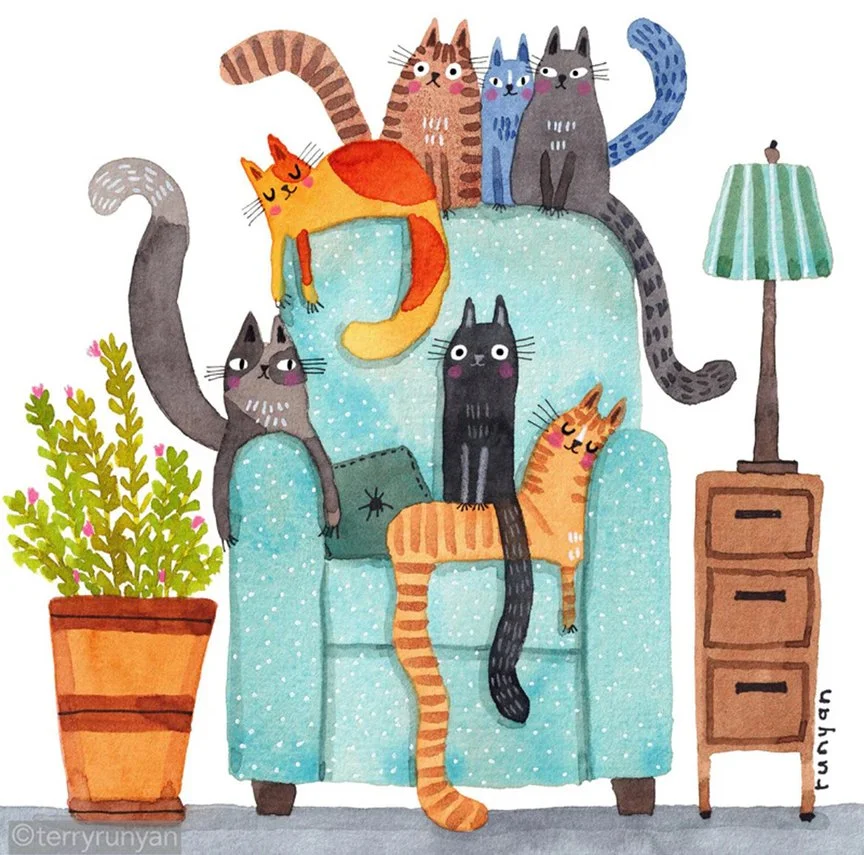
Image credit: Terry Runyan
If you’ve ever smiled at a cat with mischievous eyes perched on someone’s head, you may already know Terry Runyan. Based in Kansas City, Terry is beloved for her expressive, playful watercolor cats and her gentle philosophy of creating for joy over perfection. She’s the author of Painting Cats: Curious, Mindful & Free-Spirited Watercolors and has built a devoted following through her courses and daily-creating community. Her loose, quirky, instantly recognizable cats are perfect for stationery, wall art, calendars, and books — warm, approachable, and full of character.
Website | Instagram
3. Gemma Correll
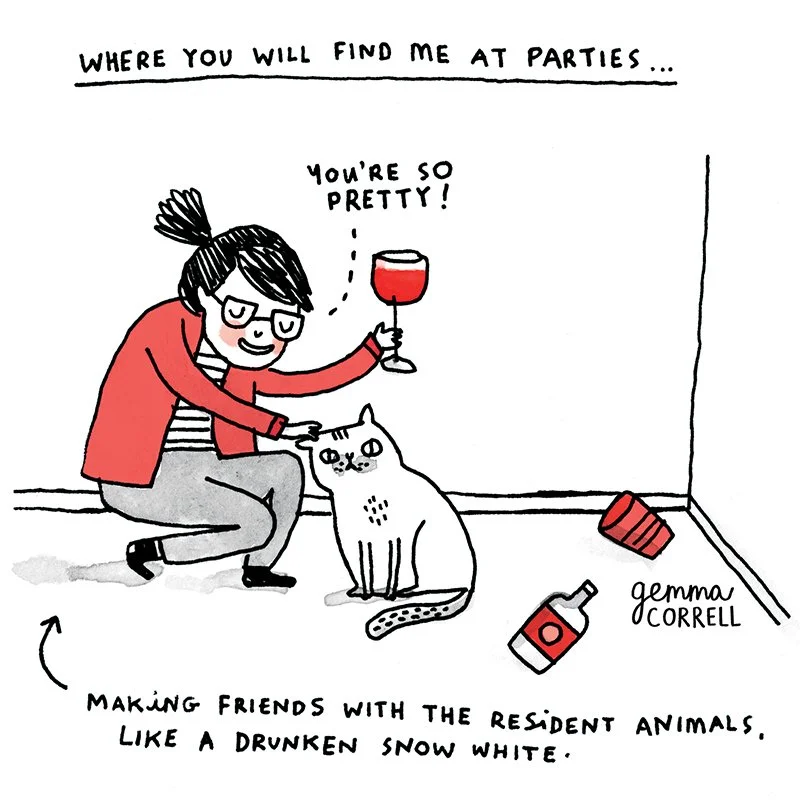
Image credit: Gemma Correll
Gemma Correll is a British illustrator and cartoonist (now based in California) whose witty, wonderfully deadpan drawings of pugs, “malicious kitties,” and anxious little characters have earned her nearly a million followers and a client list that includes Hallmark, Chronicle Books, Knock Knock, and The New York Times. Author of A Cat’s Life, she shows how humor and a distinct hand-lettered voice make art endlessly licensable across cards, gifts, apparel, and homeware. Her cats have attitude — and that attitude is exactly what makes them sell.
Website | Instagram
4. Agathe Singer
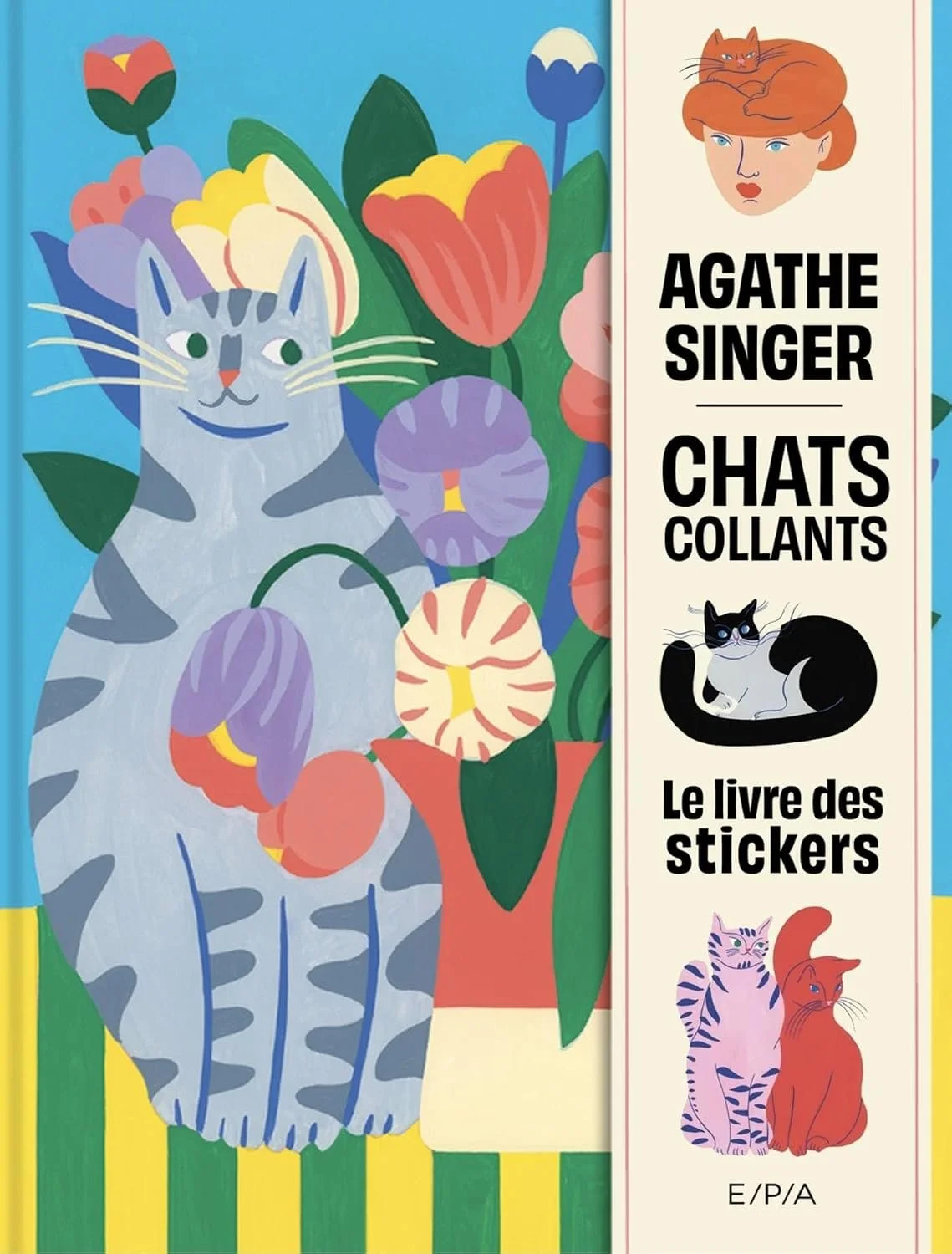
Image credit: Agathe Singer
French illustrator Agathe Singer has created one of the most distinctive feline worlds I've encountered. Her colorful cats, with their wonderfully expressive faces and enigmatic personalities, feel equal parts charming, elegant, and delightfully dreamy. Based in Paris, Agathe draws inspiration from artists such as Matisse, Rousseau, and Frida Kahlo, blending bold color palettes, lush botanical elements, and a touch of whimsy into every composition. Her clients include L'Oréal, Fortnum & Mason, Penguin Random House, and Maisons du Monde, demonstrating the broad commercial appeal of her work. What I love most is how much emotion she can convey with a simple glance or tilt of a cat's head. Her illustrations invite you into a world that is joyful, sophisticated, and just mysterious enough to keep you coming back for another look. She also has several books available, including Sticky Cats: an adorable sticker collection designed for those who have ever dreamed of taking their feline friend everywhere. Through projects like A Cat for Palestine, she demonstrates how art can be used to support causes she cares about, bringing compassion and purpose to her creative practice.
Website | Instagram
5. Susie Ghahremani (boygirlparty)
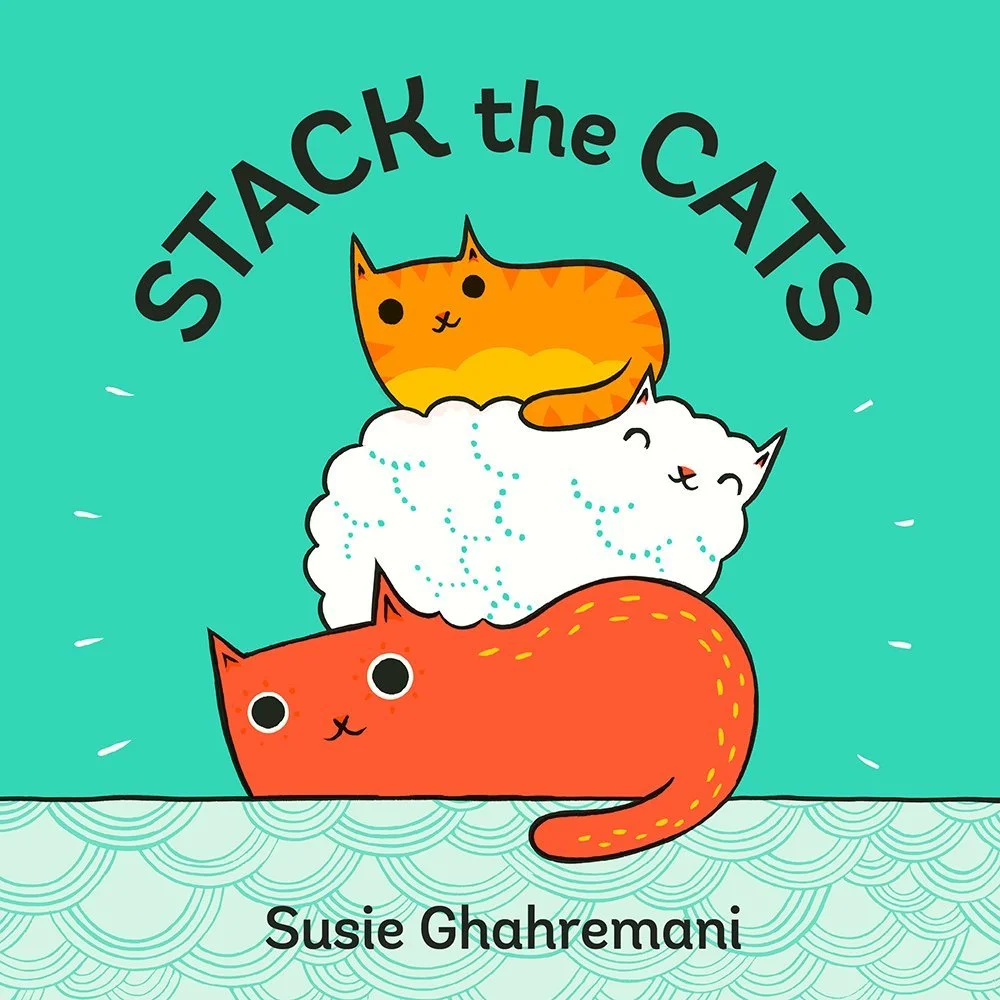
Image credit: Susie Ghahremani
Susie Ghahremani, the artist behind the beloved boygirlparty brand, hand-paints in gouache to create some of the most charming animal art in the gift world. Her collection spans more than 300 products carried by Anthropologie, Urban Outfitters, ModCloth, and Nordstrom, and her cat-counting picture book Stack the Cats was named a best book of the year by both Amazon and Kirkus. Her textural, pattern-rich style is a natural fit for stationery, fabric, and surface design - a wonderful example of an artist who built a thriving licensing-and-product business around a singular look.
Website | Instagram
6. Marisol Muro (Marisoland)
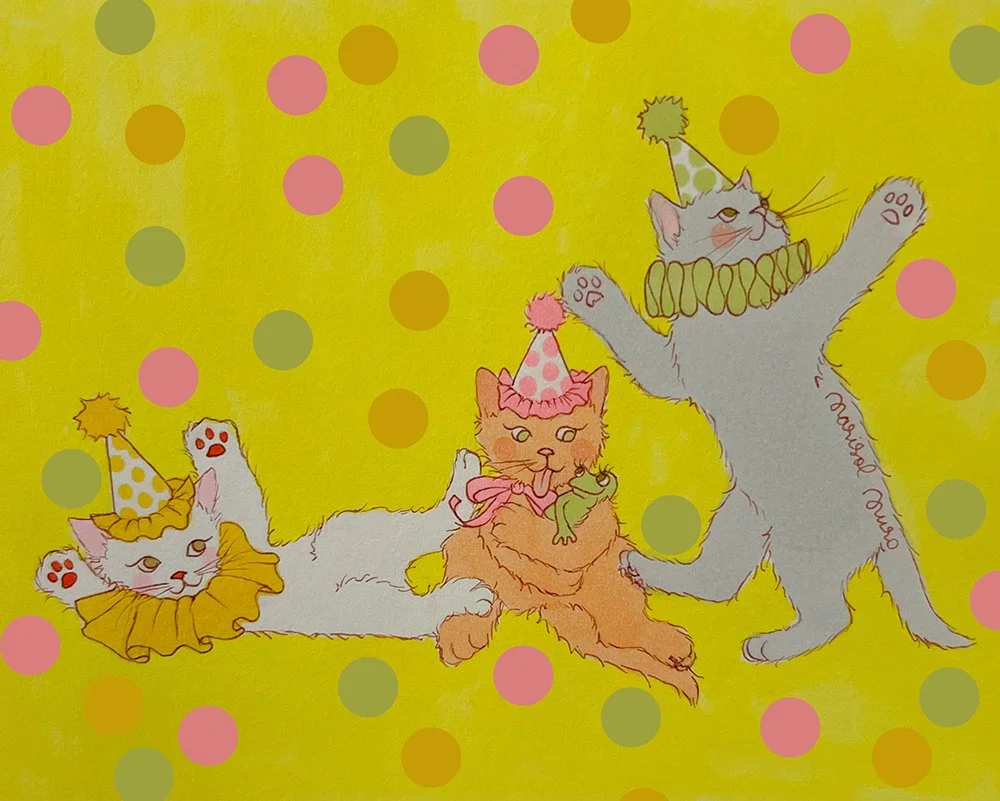
Image credit: Marisol Muro
Marisol Muro, the Los Angeles artist behind Marisoland, conjures a technicolor dreamland where cats run wild alongside frogs, opossums, and other friendly creatures. Drawing on flea-market finds, vintage trinkets, and the colors of the 1960s and ’70s, her retro-saturated style has already caught the eye of brands like Dr. Martens and Hippy Feet. Her nostalgic palette and playful characters make her a standout for apparel, accessories, and surface pattern collaborations that want to feel joyful and a little offbeat.
Website | Instagram
7. Renata Biasuzzo
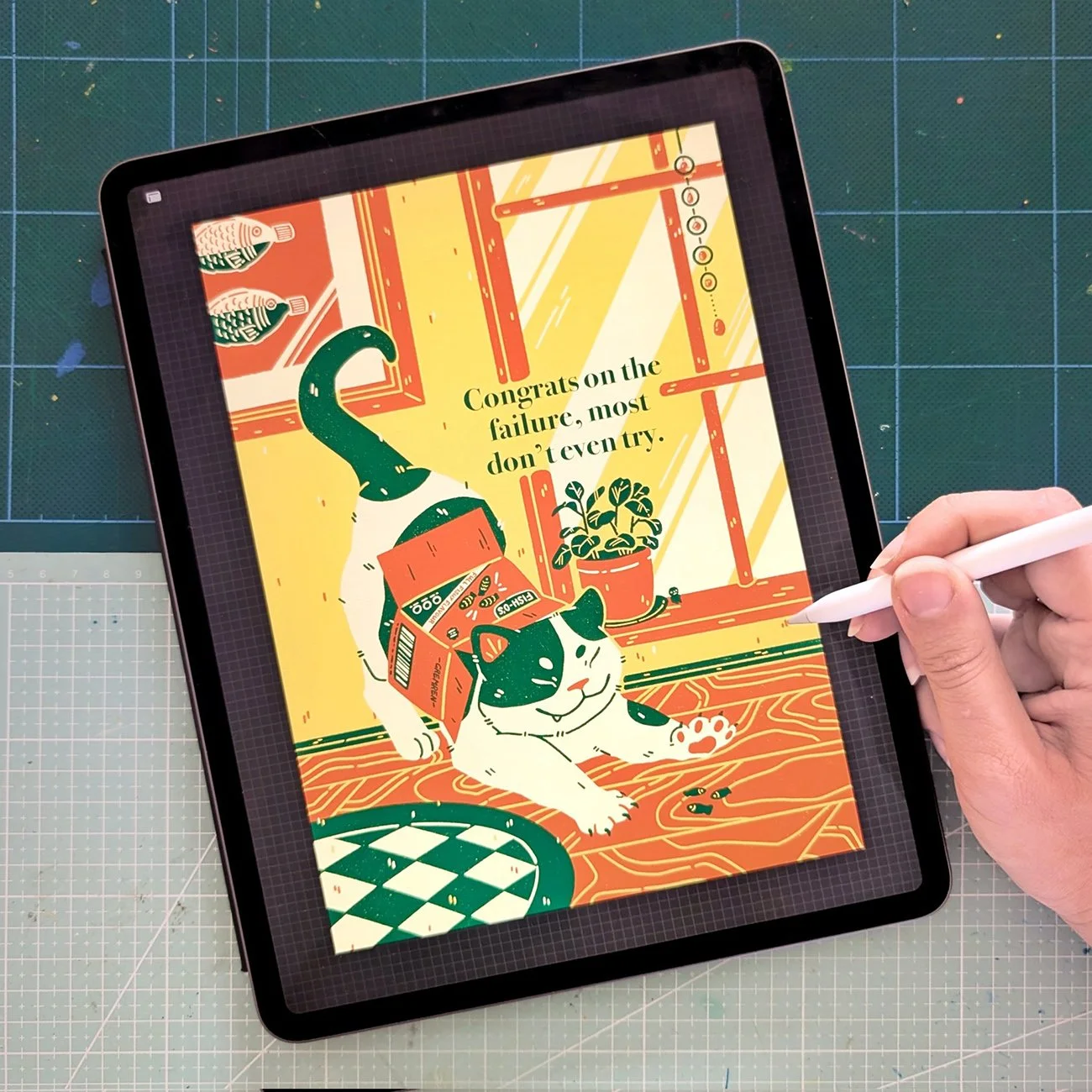
Image credit: Renata Biasuzzo
Melbourne-based illustrator Renata Biasuzzo creates colorful, character-driven animal art that feels like a warm hug wrapped in a punchline. Working under the name Gremren Designs, she fills her world with cheerful cats, bears, raccoons, and other charming creatures, each brimming with personality and quirky storytelling. Her playful use of color, expressive faces, and lighthearted humor gives her work enormous appeal for greeting cards, stationery, gifts, children's products, and home décor. Renata's cats aren't just cute, they're characters with entire backstories hiding behind their whiskers, making her portfolio a wonderful example of how personality can turn animal illustrations into unique, memorable art.
Website | Instagram
8. Leeza Hernandez
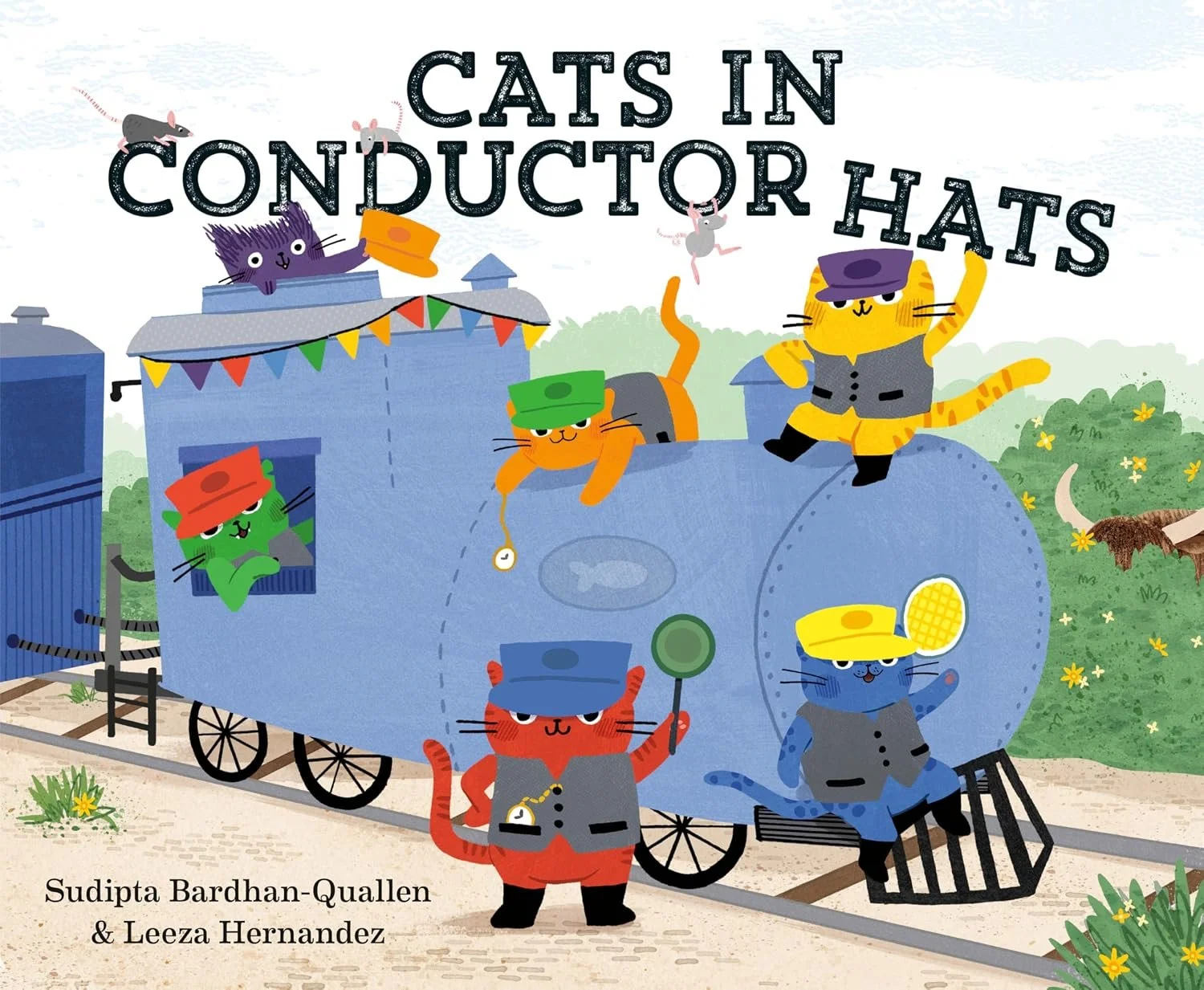
Image credit: Leeza Hernandez
An English designer-turned-illustrator now based in New Jersey, Leeza Hernandez “sometimes writes and always draws — especially cats.” A recipient of the Society of Children’s Book Writers and Illustrators’ Tomie dePaola Award, she has illustrated numerous picture books including Cats in Conductor Hats and Cats in Construction Hats. Leeza is also a featured designer with Dear Stella, and has created nearly 20 fabric collections for the company—all of them cat-centric! Her expressive, story-driven cats are a perfect fit for children’s publishing, but her warmth and graphic sensibility translate just as well to cards, fabric, and gift products. She’s a lovely reminder that great cat art often starts with great storytelling.
Website | Instagram
9. Krissy Mast
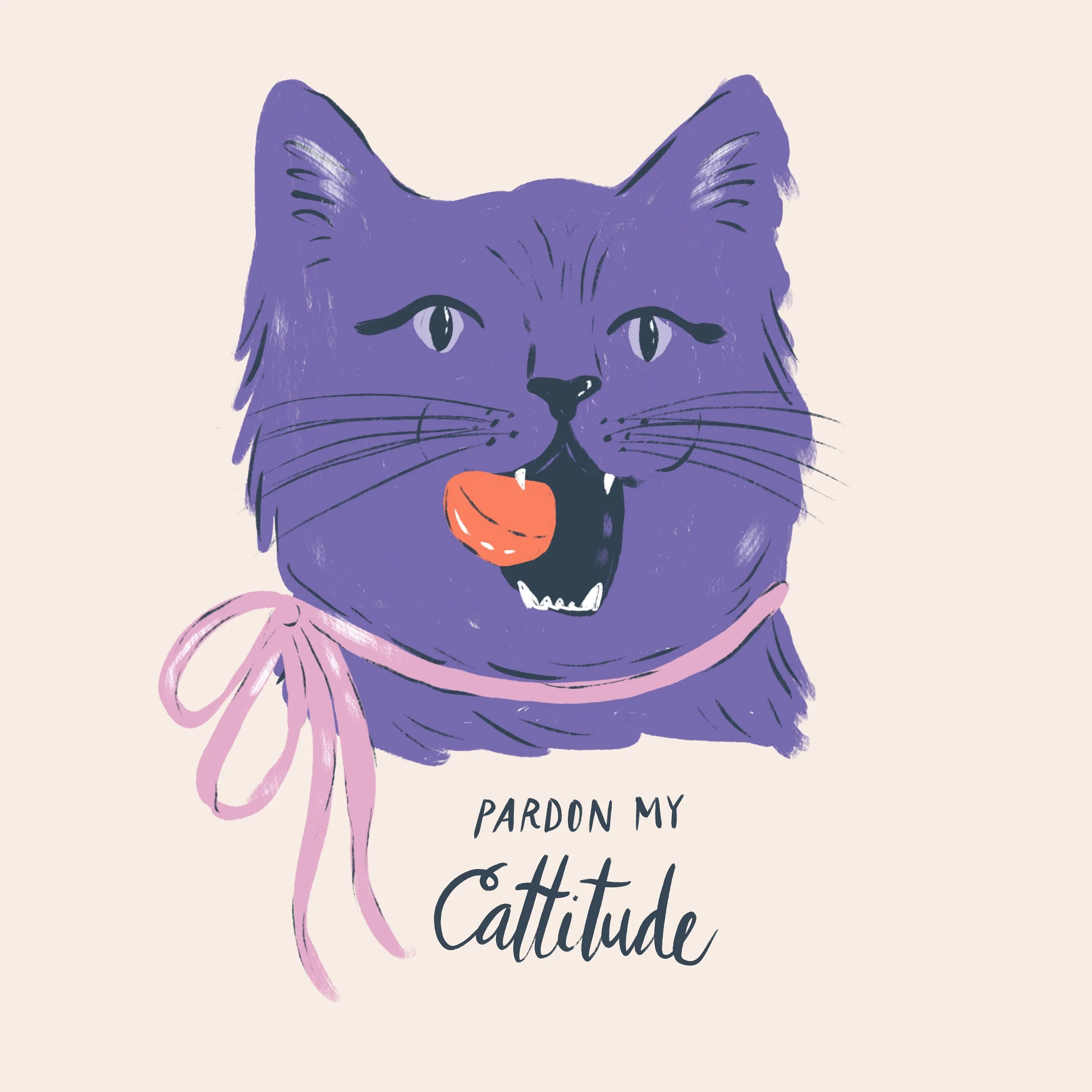
Image credit: Krissy Mast
Krissy Mast is an illustrator, surface pattern designer, and art licensing strategist whose delicate, whimsical work has been licensed by retailers including Target, Barnes & Noble, and Anthropologie. Beyond her own playful animal illustrations and patterns, Krissy is one of the most generous educators in our field, teaching artists how to pitch art directors and build real licensing businesses. I admire her on both counts — as a designer with a joyful, collectible style, and as someone who’s genuinely lifted up the whole cat-and-critter illustration community.
Website | Instagram
10. Carrie Cantwell
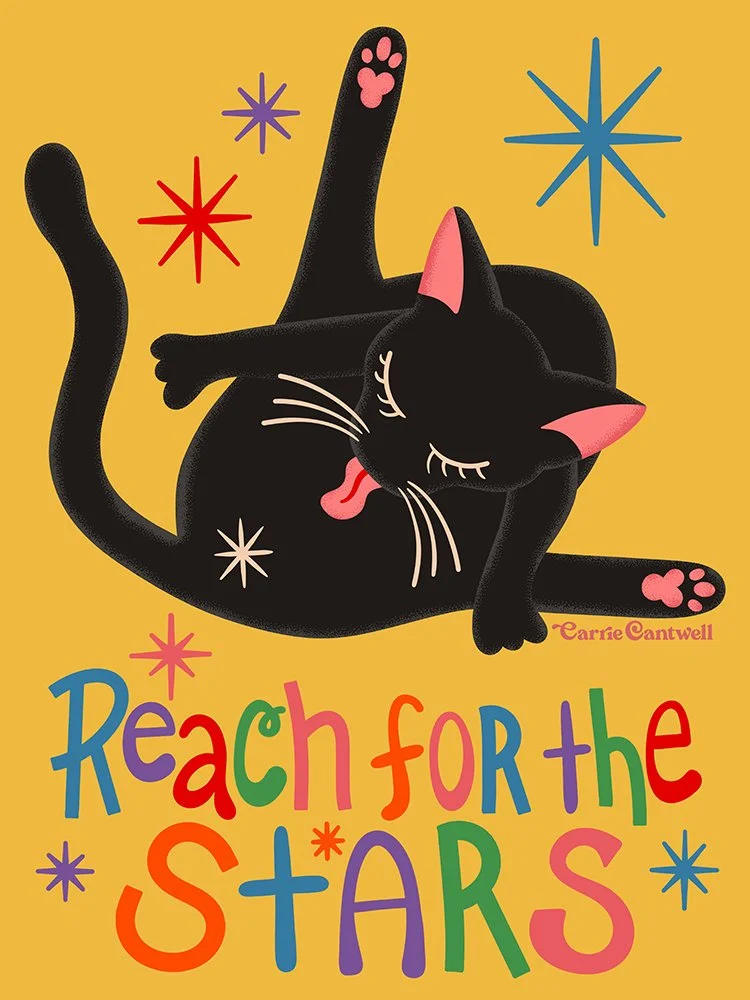
Image credit: Carrie Cantwell
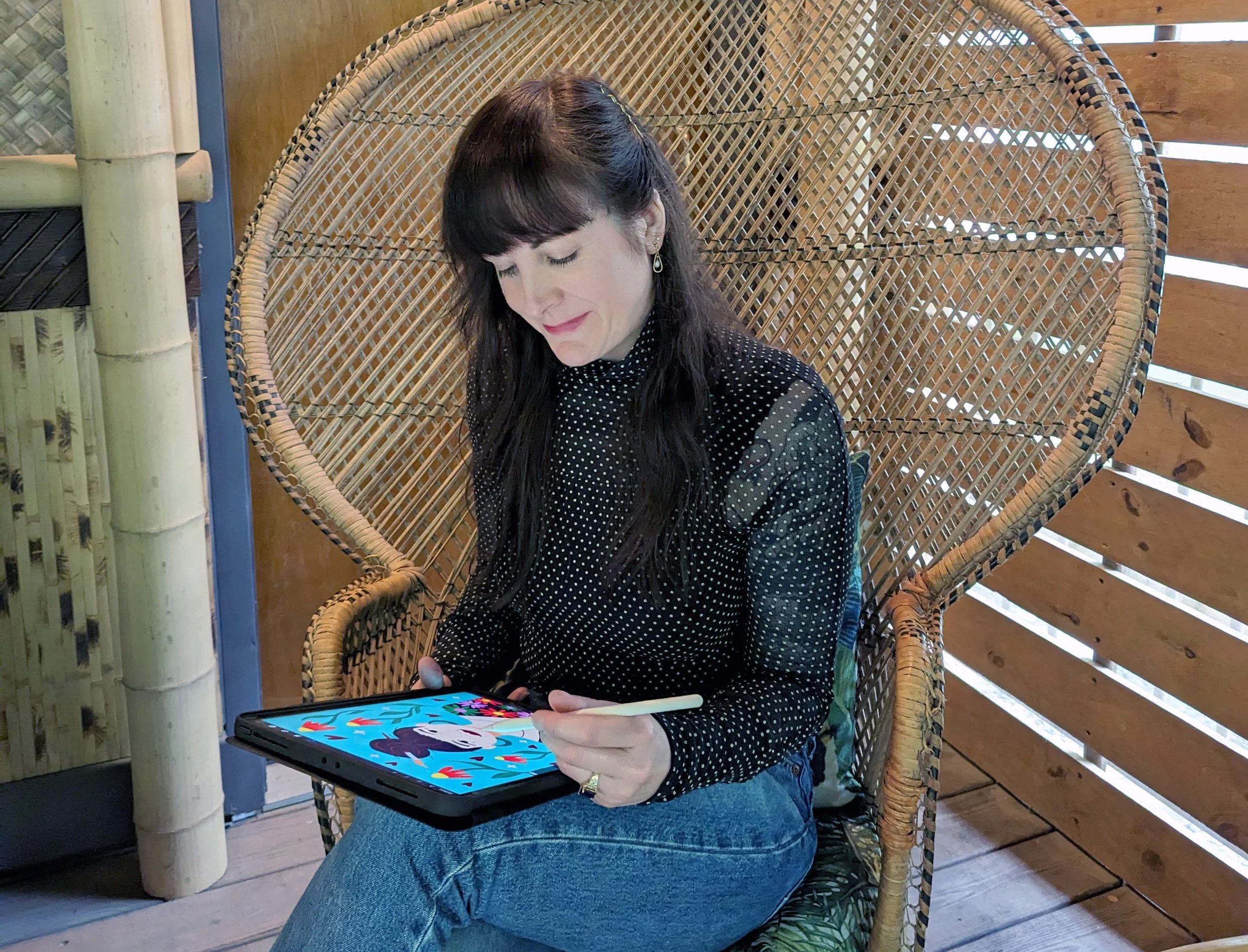
And that brings me to number ten — me! I’m Carrie Cantwell, an illustrator and surface pattern designer who creates artwork with quirk! Think playful illustrations, vibrant color, and a healthy dose of whimsical humor. Cats are my favorite thing to draw, and I think it’s because they’re so relatable — graceful and ridiculous all at once. When I draw a cat doing something silly, fellow cat lovers instantly get it, because they’ve seen that exact quirky behavior in their own pets (or in themselves).
Over the years I’ve been fortunate to license my artwork with brands including Target, Urban Outfitters, Pottery Barn, and Uncommon Goods, and it still delights me every time I spot one of my designs out in the world across home décor, gifts, stationery, and apparel. My mission is simple: to create little moments that make people smile. If you’re an art director or brand looking for charming, character-filled cat art to license — or a custom collaboration — I’d love to connect.
Website | Instagram
Know a brilliant cat illustrator I should be aware of? I’m always happy to discover artists in this wonderful niche — reach out and say hello.
Disclosure: Some links on this page are affiliate links, which means I may earn a small commission if you make a purchase — at no extra cost to you.
Why I Turned Down a Paying Art Client (And Why It Was the Right Decision)
Recently, I turned down a paying client.
A few years ago, I probably would have said yes immediately. Money is money, right?
But this time was different.
The client wanted custom artwork created specifically for their product line. They offered to pay me for my time, but in exchange, they wanted exclusive rights to the artwork forever across multiple product categories.
In other words, I would spend weeks creating the art, get paid once, and then never be able to use that artwork again.
At first, I considered it.
I even asked my attorney for a work-for-hire contract.
Then I slept on it.
The next morning, I realized something important:
This wasn't a "hell yes."
A quote from artist Ekaterina Popova in a recent Create! Magazine article stuck with me. She suggested that one path to feeling happier and more rested is to say no to anything that isn't a "hell yes."
That simple reminder helped me step back and evaluate the opportunity honestly.
The Real Cost of Saying Yes
When artists are starting out, it's easy to focus only on the money being offered today.
But as your career grows, your time becomes one of your most valuable assets.
Every hour I spend creating artwork for someone else's exclusive ownership is an hour I'm not spending:
Building my own licensing collections
Creating products for my Etsy shop
Developing new art for future licensing opportunities
Growing my own brand
The payment might compensate me for my hours today, but it doesn't compensate me for the future value of the artwork.
Artists Are Not Creative Vending Machines
One lesson I've learned over the years is that artists aren't simply hired hands that produce assets on demand.
Our ideas, style, experience, and creative vision have value.
When we give away complete ownership of our work, we're often giving away something much more valuable than the hours we spent creating it.
That's why I've intentionally built my business around licensing and intellectual property ownership whenever possible.
I want my artwork to continue working for me over time.
Why I Removed the Prospect From My Newsletter
This part may surprise some artists.
After deciding not to move forward, I also removed the prospect from my email newsletter.
Not out of spite.
Not because I was angry.
But because my newsletter contains years of business insights, marketing strategies, licensing knowledge, and lessons I've learned while building my art brand.
That information is valuable.
As artists, we're often taught to give away our expertise freely while everyone else protects theirs.
I've learned that it's okay to be selective about who has access to the ideas and strategies you've worked hard to develop.
Boundaries aren't rude.
They're part of running a business.
If You Want to Sell Artwork Rights, Do It On Your Terms
Some artists genuinely enjoy creating patterns, graphics, and illustrations that businesses can purchase outright.
There's nothing wrong with that.
The important thing is having control over how your work is sold.
Platforms like Patternbank and Creative Market allow artists to license or sell designs under terms they choose. You can decide what rights you're granting, how your work is used, and whether you want to continue offering it in the future.
That's very different from signing away broad, permanent rights in a private negotiation that doesn't align with your goals.
The Older I Get, The More Valuable My Time Becomes
One of the biggest lessons I've learned as an artist is that every yes requires a no.
Saying yes to one project means saying no to something else.
Life is finite.
Creative energy is finite.
Time is finite.
The older I get, the more intentional I want to be about where I invest those resources.
So yes, turning down paid work can feel scary, especially in today's economy.
But sometimes protecting your long-term vision is worth more than accepting a short-term paycheck.
This wasn't a hell yes.
So I said no.
And for the first time in a long time, that no felt like progress.
What To Do If Your Art Is Stolen by AI, SHEIN, Temu, or Other Online Sellers
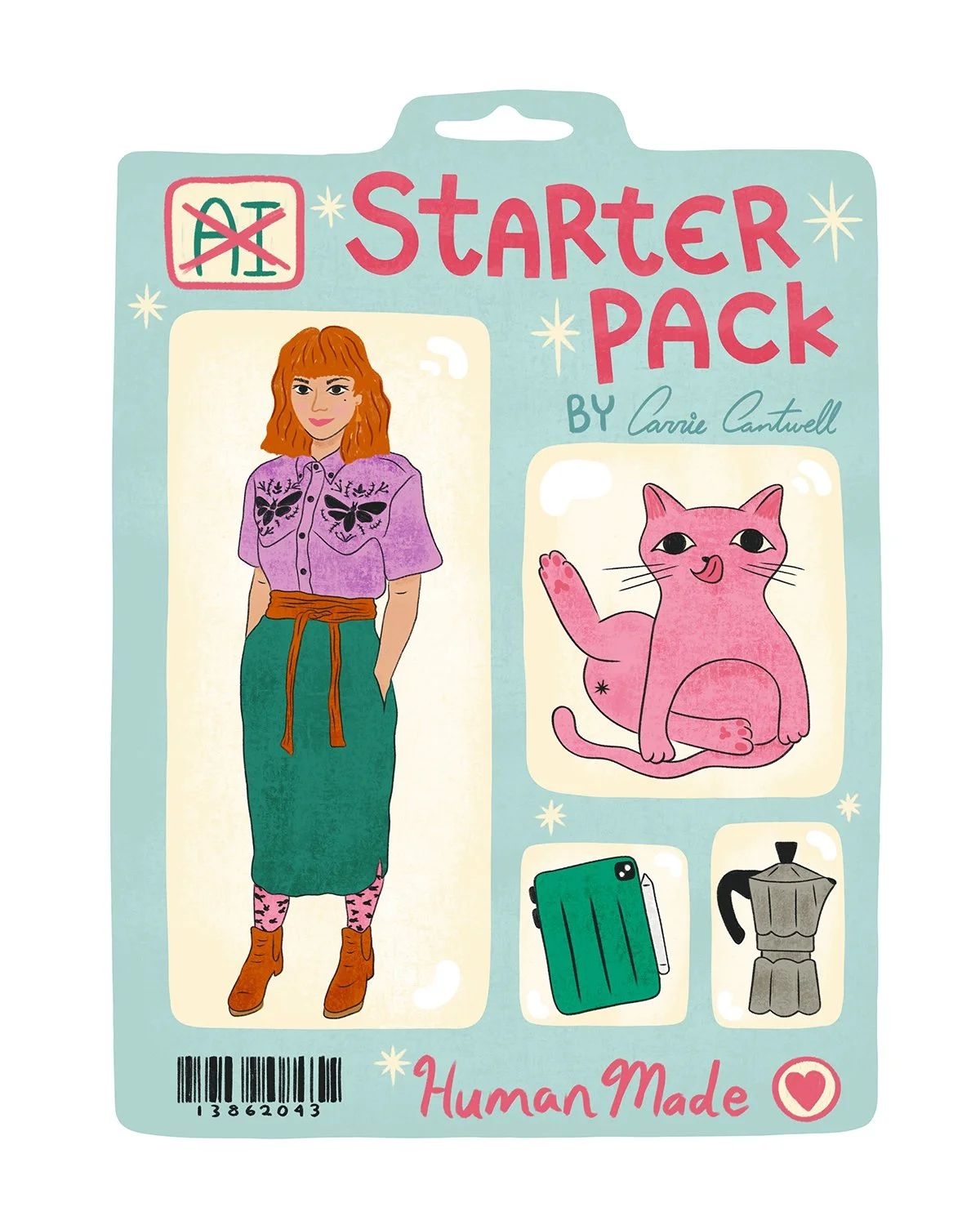
A hard truth about being a working artist? Sometimes the biggest companies profit from your work without permission.
Lately, I’ve been dealing with multiple cases of my artwork being stolen and sold on fast fashion and overseas marketplace sites like SHEIN and Temu. I’ve filed DMCA takedowns. Sometimes listings disappear. Sometimes they pop right back up under another seller a few days later like a particularly stubborn game of copyright whack-a-mole.
And while this is incredibly frustrating as an artist, I want to turn this into an important teaching moment for other creative business owners, because this is something many artists don’t fully understand until it happens to them:
Art theft is unfortunately common once your work starts getting visibility online.
That does not mean you should stop sharing your work.
It does not mean your art has no value.
And it definitely does not mean you’ve failed.
In fact, many artists discover their work is being copied because they’ve built something commercially valuable.
The Hidden Cost of Fighting Art Theft
Here’s the part people rarely talk about:
Fighting infringement costs artists time, energy, and money.
Every hour spent documenting stolen products, filing takedowns, researching copyright procedures, and following up with marketplaces is time not spent:
creating new work
licensing art
growing your audience
teaching
marketing
fulfilling orders
building long-term income streams
And that hidden cost matters.
Art theft doesn’t only steal designs. It steals artists’ time, focus, momentum, and income too.
Watch My Instagram Reels About SHEIN and Temu Art Theft
I’ve been sharing more openly on social media about what this experience has looked like behind the scenes as an artist. These videos explain why copyright enforcement becomes so difficult with some overseas marketplaces and why so many independent artists are struggling with this issue right now.
What To Do If Your Artwork Is Stolen Online
Watching your artwork get stolen online feels surreal the first time it happens.
One day you’re creating illustrations, surface patterns, paintings, or products for your business. The next day, you discover your work printed on products you never approved, sold by companies you’ve never heard of, or scraped into AI systems without your permission.
If you’re searching for:
what to do if someone steals your art
how to report stolen artwork online
what to do if AI copies your art
how to file a DMCA takedown
how artists can protect their work online
…you are definitely not alone.
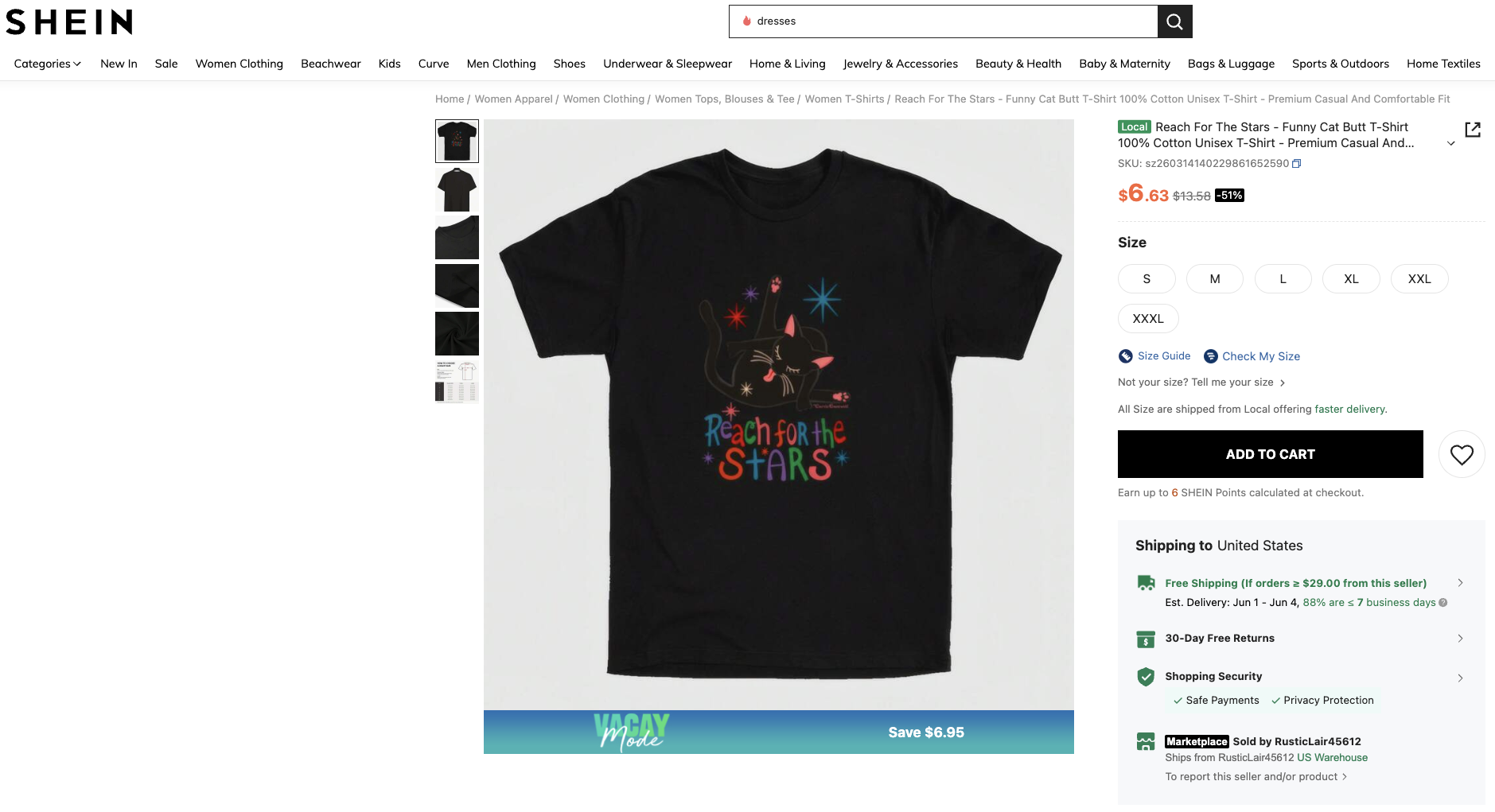
My Reach for the Stars art on SHEIN. I’ve filed multiple DMCA notices against SHEIN for stolen artwork. They ignore them. Copyright laws become nearly impossible to enforce when companies operate in China, and independent artists are left spending time, energy, and money trying to fight businesses that simply do not care about intellectual property, artist rights, or creative ownership.
So I’m doing the only thing I can do right now: publicly showing the stolen designs, talking about it openly, and warning other artists and consumers.
First: Document Everything
Before reacting emotionally or contacting sellers, gather evidence carefully.
Screenshot:
product listings
seller names
URLs
ads using your artwork
social media posts
customer reviews
product photos
Save webpages as PDFs if possible.
Some infringing sellers remove listings temporarily after being reported, so documentation is important.
File DMCA Takedown Notices
If your artwork appears on websites or marketplaces, you may be able to file a DMCA takedown notice.
Common places artists report copyright infringement:
Etsy
Amazon
Pinterest
Instagram
Shopify
TikTok Shop
Redbubble
Temu
SHEIN
A DMCA notice generally includes:
your contact information
proof of ownership
links to your original artwork
links to the infringing content
a legal statement confirming your claim
Many marketplaces have dedicated copyright reporting forms. In fact, art theft is so rampant that many of them (like Etsy, Amazon and Temu) allow you to submit lists of multiple infringements at once.
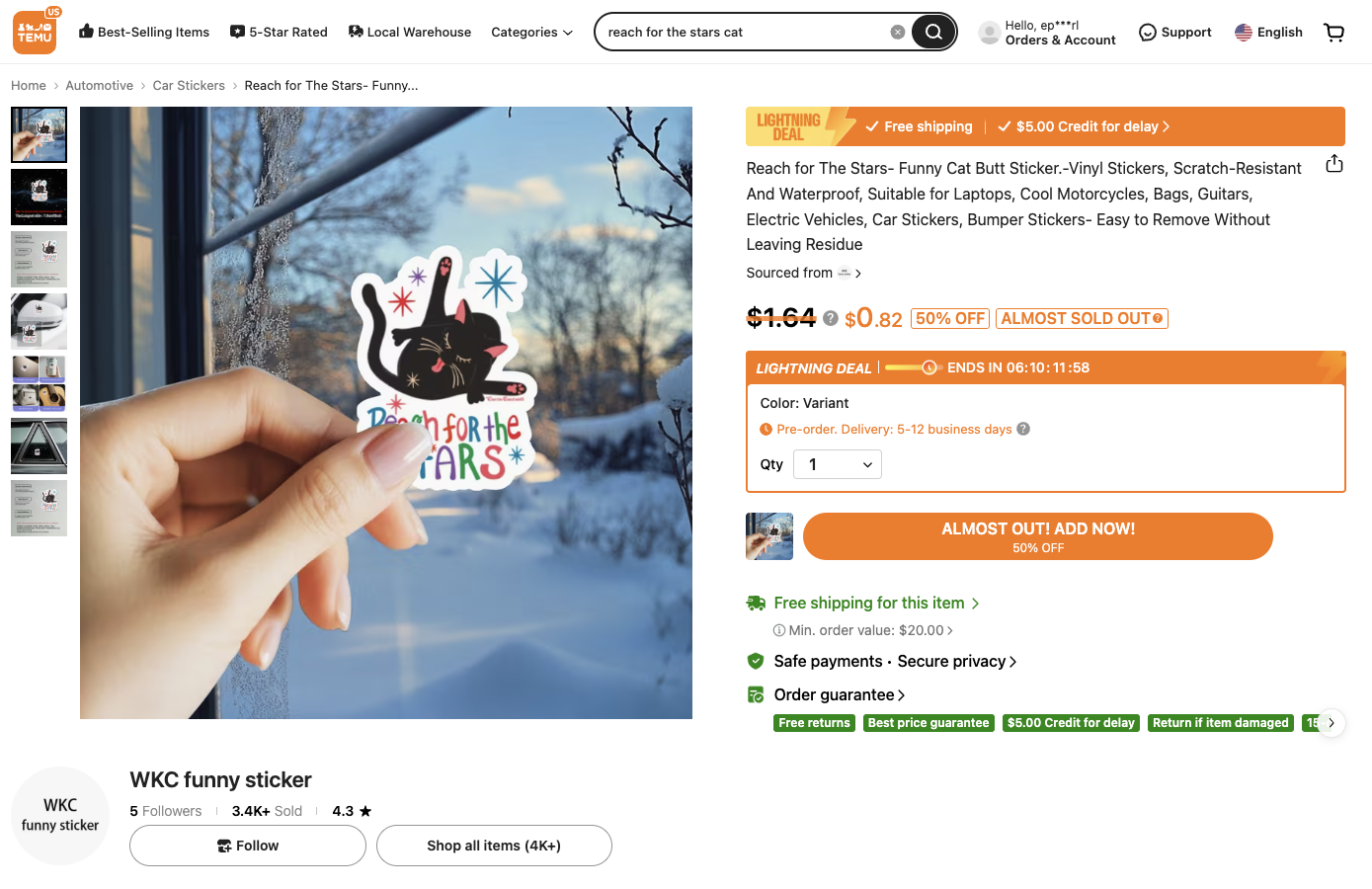
Every time I report stolen artwork on Temu, it feels like a never-ending game of whack-a-mole. I file DMCA notices. Sometimes the listings get removed. Then the same stolen art pops right back up again under another seller, another listing, another account. Over and over.
The Difficult Reality About Overseas Copyright Enforcement
This is one of the hardest lessons for artists to learn: International copyright enforcement is often incredibly difficult.
Some overseas marketplaces:
ignore takedown requests
relist stolen products
rotate sellers
duplicate listings
reopen under different accounts
This creates an exhausting cycle for artists trying to protect their work online.
And unfortunately, independent creators rarely have the legal resources giant corporations have.
What About AI Art Theft?
AI-generated art has added another complicated layer to this issue.
Many artists are concerned that AI image generators have been trained on copyrighted artwork scraped from the internet without permission or compensation.
If you believe your artwork has been used to train AI systems:
document where you found it
research platform opt-out tools
stay informed about legal developments
avoid signing unclear licensing agreements
follow artist advocacy organizations
Some artists are also using tools designed to make AI scraping more difficult, including:
Glaze
Nightshade
metadata protection
lower-resolution uploads
watermarking strategies
The legal landscape around AI copyright is still evolving rapidly.
How Artists Can Protect Their Artwork Online
No method is perfect, but there are ways to reduce risk and build a more resilient creative business.
Here are a few practical things I teach and personally practice:
✨ Build a recognizable brand around your art, not just individual designs
✨ Diversify your income streams so one stolen product doesn’t destroy your business
✨ Sell directly through your own website or Etsy shop whenever possible
✨ Keep organized records of your artwork and creation dates
✨ Watermark preview images when appropriate
✨ Understand that enforcement is imperfect, especially internationally
✨ Focus on building loyal customers who want to support original artists

I sell my own Reach for the Stars products, so purchasing them directly from me ensures you’re supporting the artist behind the art.
Why Ethical Shopping Matters
For consumers, this issue matters too.
Ultra-cheap products often come at a hidden cost.
Sometimes that cost is stolen artwork, copied designs, or independent creators losing income while billion-dollar companies profit from their labor.
The best way to support artists?
💛 Buy directly from artists
💛 Support small creative businesses
💛 Credit original creators
💛 Choose ethical shopping whenever possible
Because behind every illustration, painting, surface pattern, or product design is a real person who spent years developing their creative skills.
The Most Important Thing I Want Artists To Remember
One thing I never want my students to do is build a business rooted in fear.
The goal is not to panic about art theft.
The goal is to build a creative career sturdy enough that even when difficult things happen, your business can continue growing.
Your art still matters.
Your voice still matters.
And original creativity will always outshine knockoffs in the long run.
Thank you for supporting independent artists, ethical shopping, and original creativity. It truly makes a difference.
Atlanta Printmakers Studio Gift Shop!
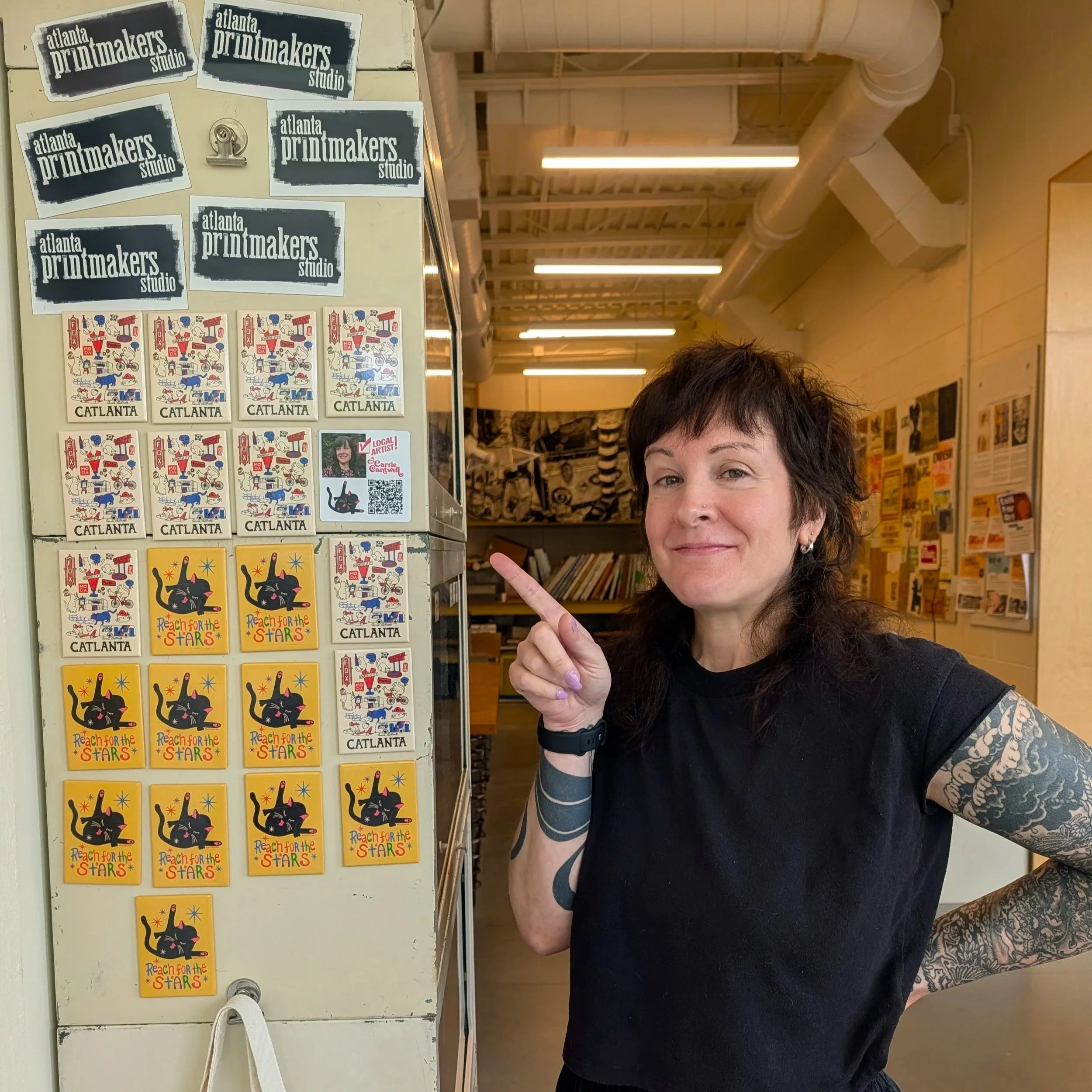
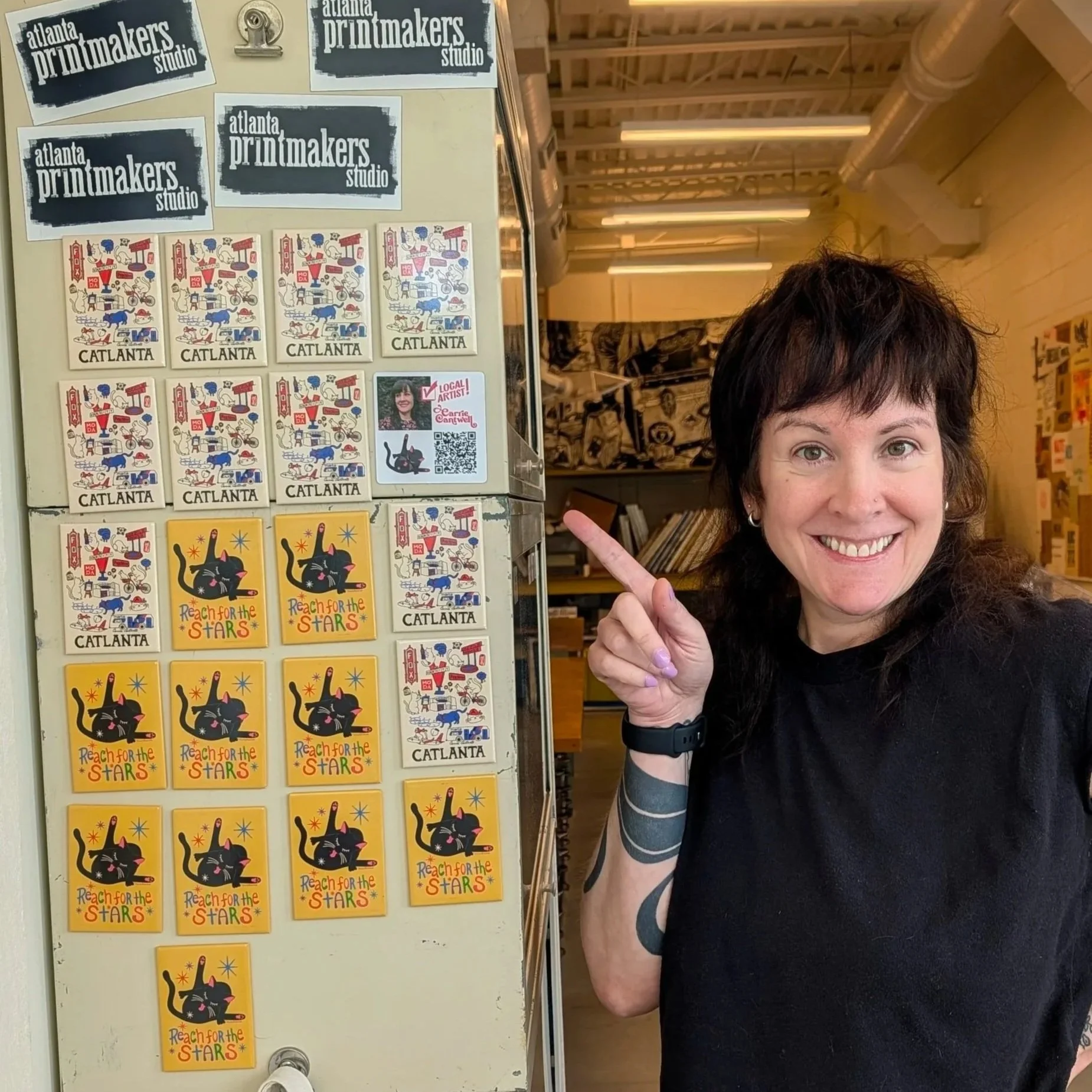
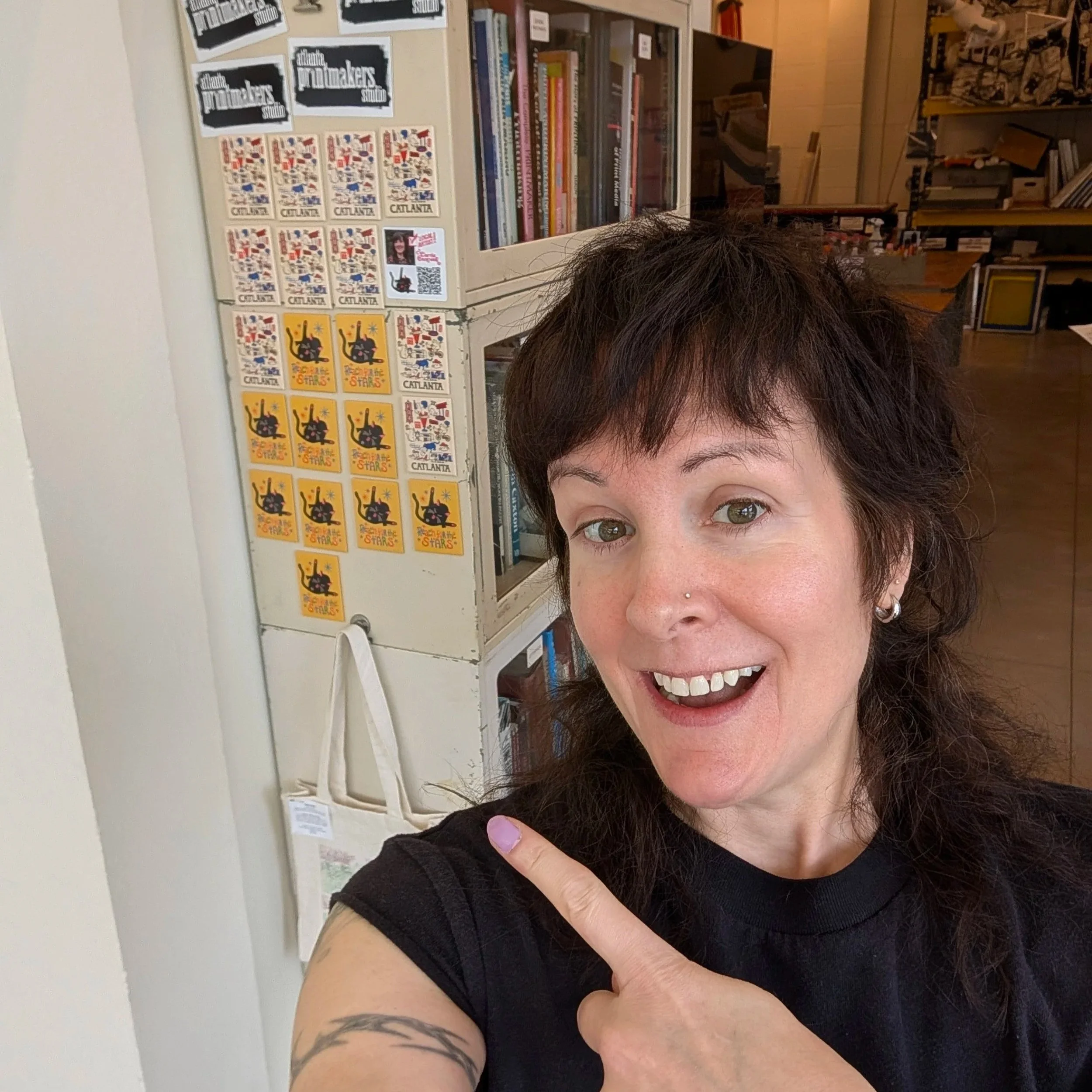
My Reach for the Stars and Catlanta magnets are now for sale in the Atlanta Printmakers Studio gift shop!
How to Sell Your Art on Etsy
How to sell art on Etsy (quick answer):
To sell art on Etsy, start by choosing a specific art style and product type, create a cohesive shop identity, set up your Etsy shop, and list products with clear photos and descriptions. Focus on a consistent brand identity and products that appeal to a defined audience to increase your chances of making sales.
How to Sell Your Art on Etsy: A Beginner-Friendly Guide for Artists
I’m Carrie Cantwell — illustrator, surface pattern designer, and Etsy Star Seller — and I made this to be the clear, no-fluff foundation I wish I had when I started.
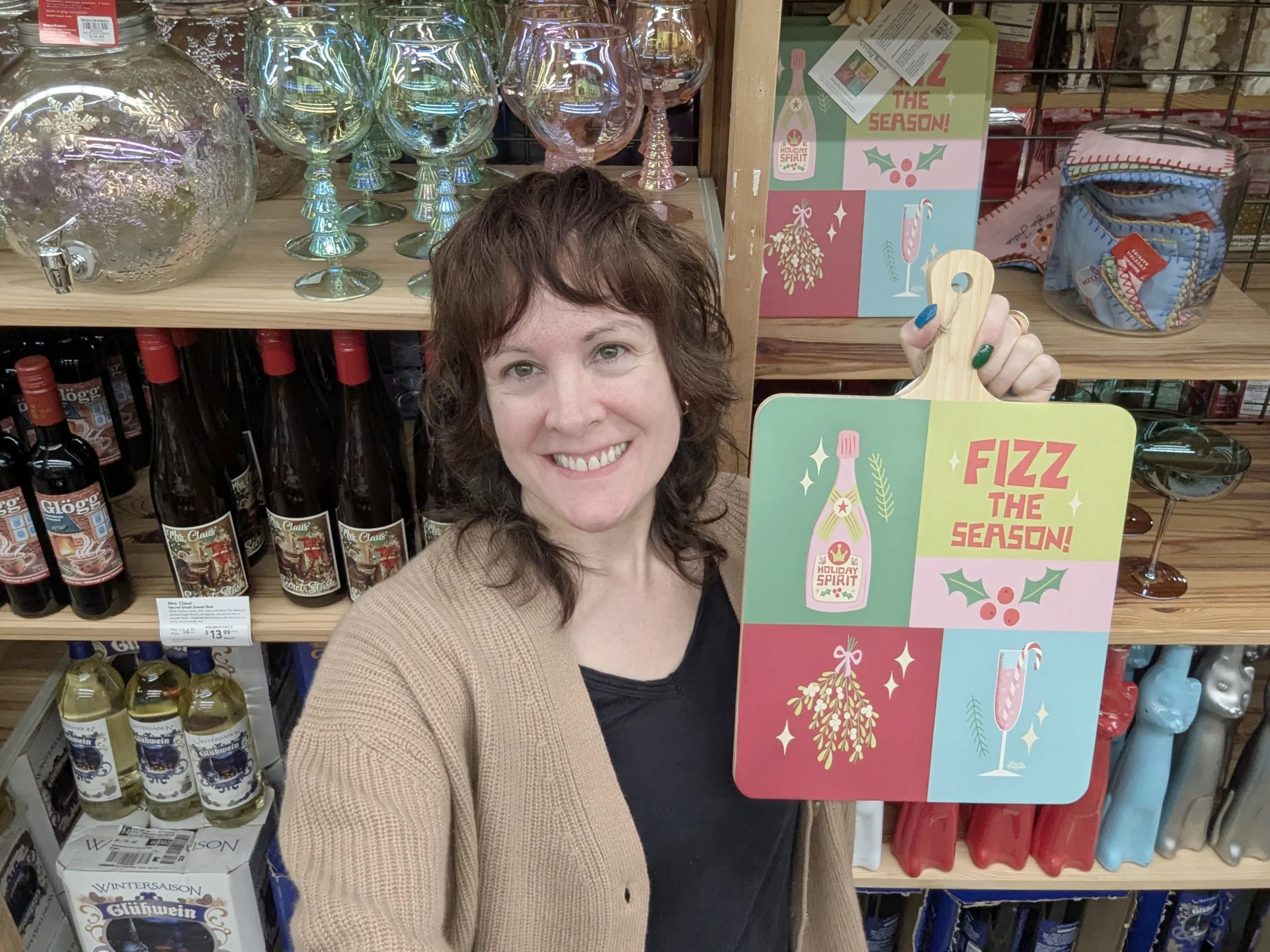
My art at World Market!
If you’re an artist wondering how to sell your art on Etsy, the good news is this: you don’t need a huge audience, expensive tools, or years of business experience to get started.
What you do need is a clear foundation—and that’s exactly what most artists are missing when they first open their shop.
This guide will walk you through the essentials of starting an Etsy shop as an artist, so you can go from “just thinking about it” to actually making your first sales.
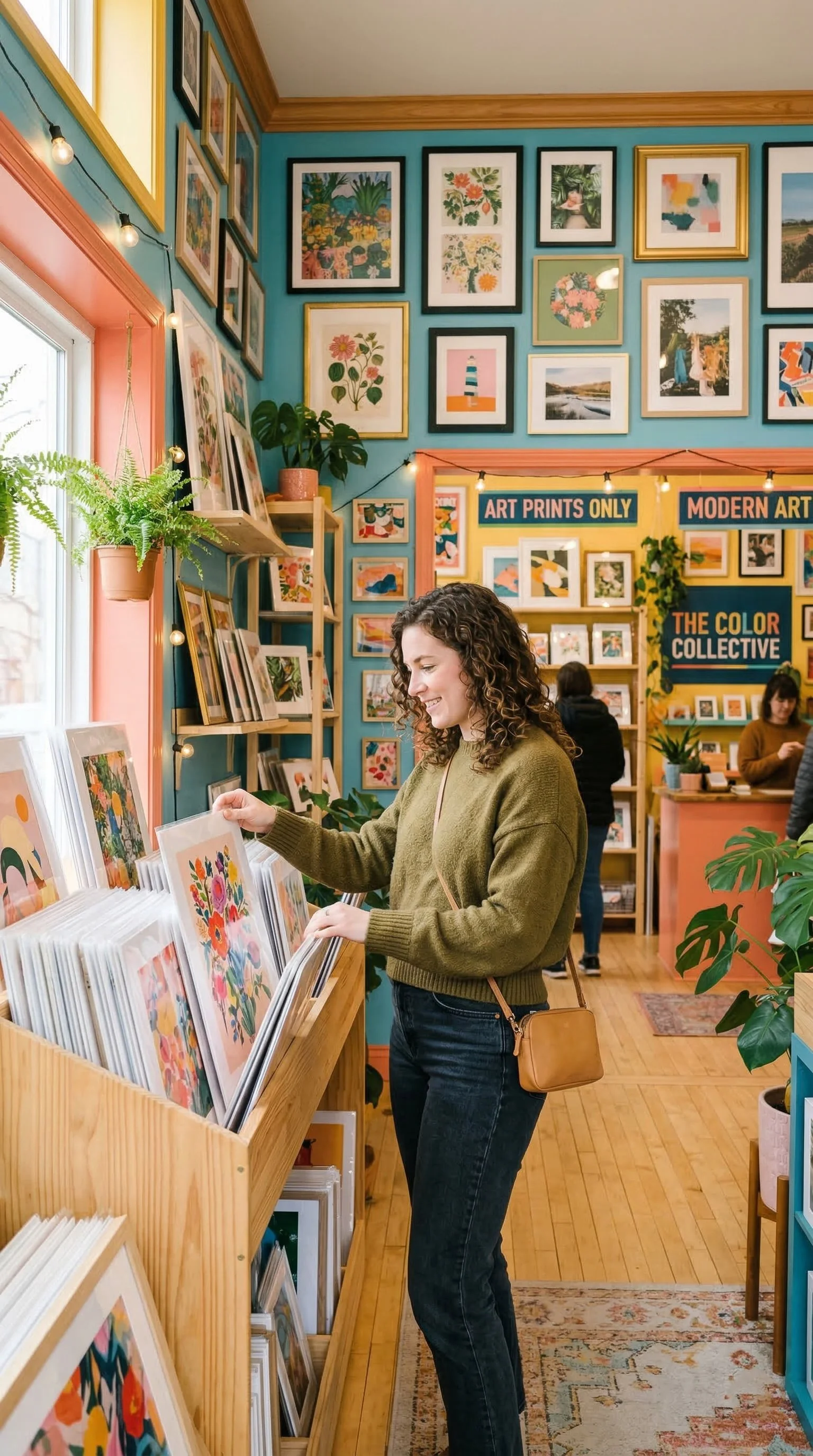
Why Etsy Is a Powerful Platform for Artists
Etsy is one of the best platforms for artists because it’s built specifically for creative businesses. Unlike starting your own website from scratch, Etsy already has millions of shoppers actively searching for unique, handmade, and artistic products.
That means you’re not just posting your art—you’re placing it in front of people who are already looking to buy.
For artists, this lowers the barrier to entry significantly and makes it possible to start selling faster.
What You Can Sell as an Artist on Etsy
One of the biggest questions artists have is: what should I actually sell?
The answer is: more than you think.
Here are some popular product types artists sell on Etsy:
Art prints (physical or digital downloads)
Stickers and stationery
Print-on-demand products (like mugs, apparel, and home decor)
Original artwork
Pattern-based products (fabric, wallpaper, etc.)
The key is not just picking a product—it’s choosing products that align with your style and are appealing to a specific audience.
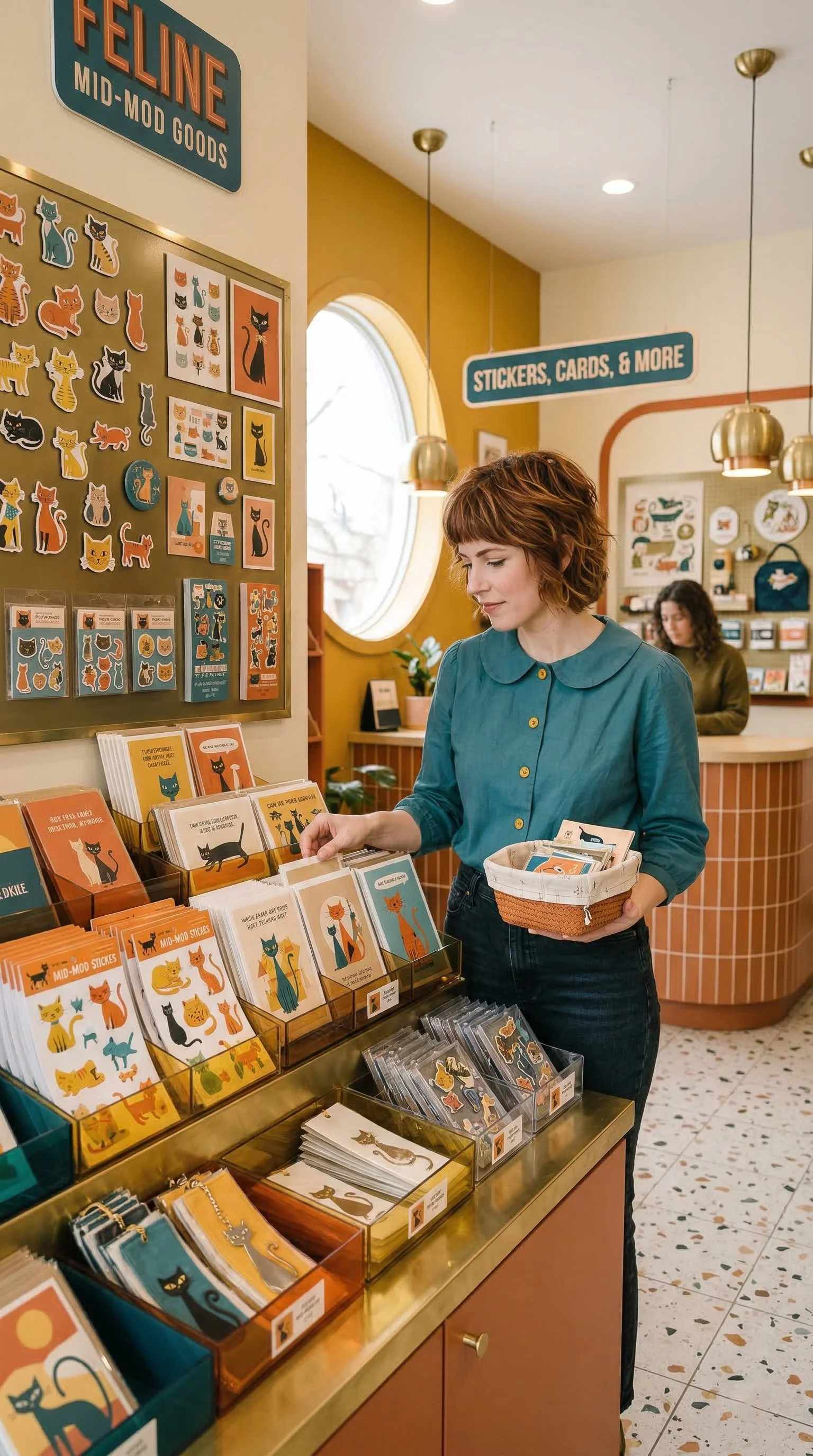
The Step Most Artists Skip (But Shouldn’t)
Before you even open your Etsy shop, there’s one step that makes everything easier:
Define your shop identity.
Many artists jump straight into listing products, but without a clear direction, their shop ends up feeling scattered—and that makes it harder to attract buyers.
Instead, start with a simple vision:
What kind of art do you want to be known for?
Who is your ideal customer?
What feeling or aesthetic ties your work together?
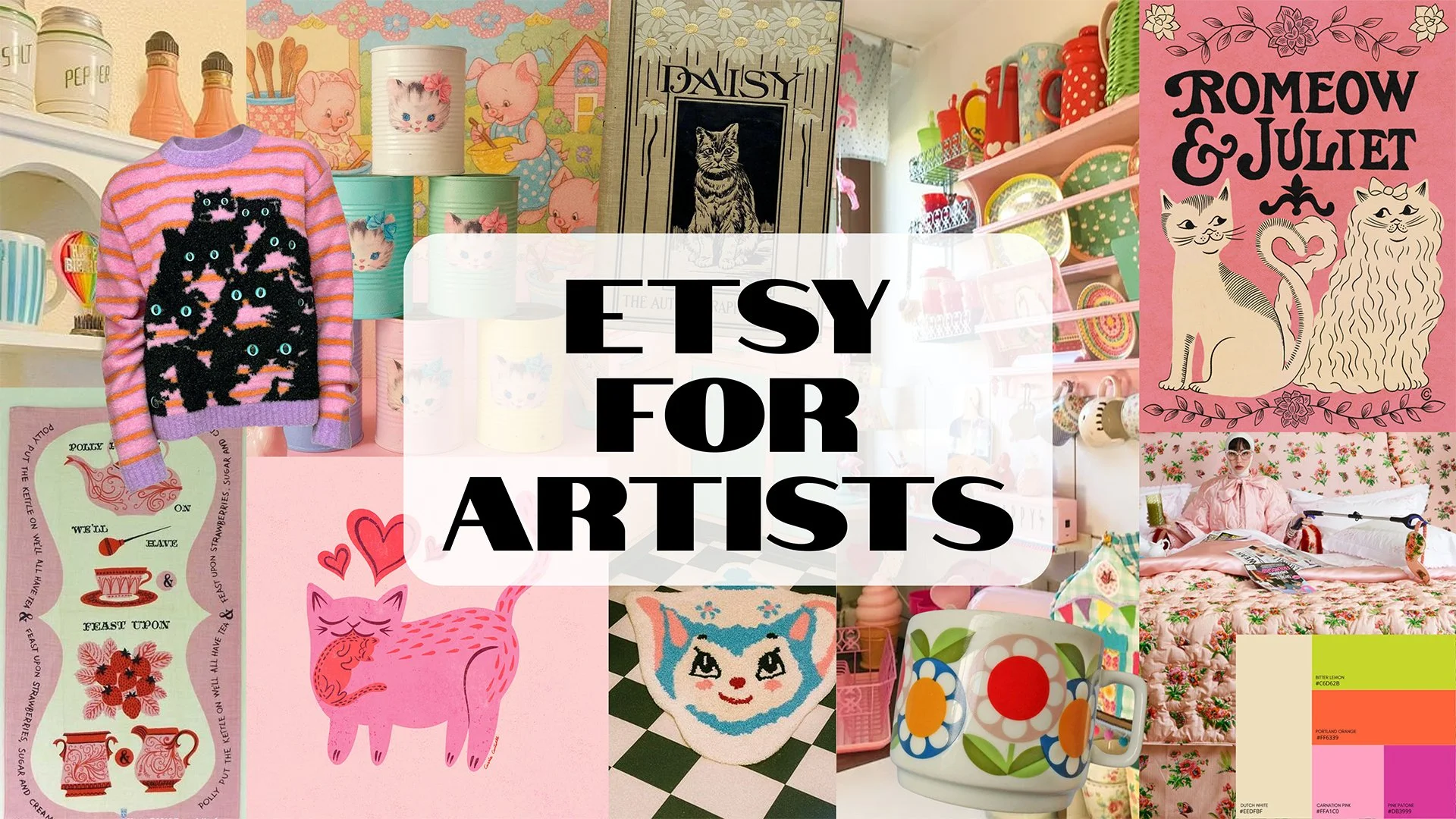
A quick and effective way to do this is by creating a vision board. This helps you visually define your brand style, product direction, and overall vibe before you start selling.
Think of it as your creative compass—it keeps your shop consistent and recognizable.
How to Start Selling on Etsy (Simple Steps)
Once you have a clear direction, starting your Etsy shop becomes much more straightforward:
Set up your Etsy account and shop
Choose a shop name that reflects your brand
Create your first product listings
Use clear photos and descriptions
Start with a small, focused product range
You don’t need to have everything perfect. The goal is to start with intention and improve as you go.
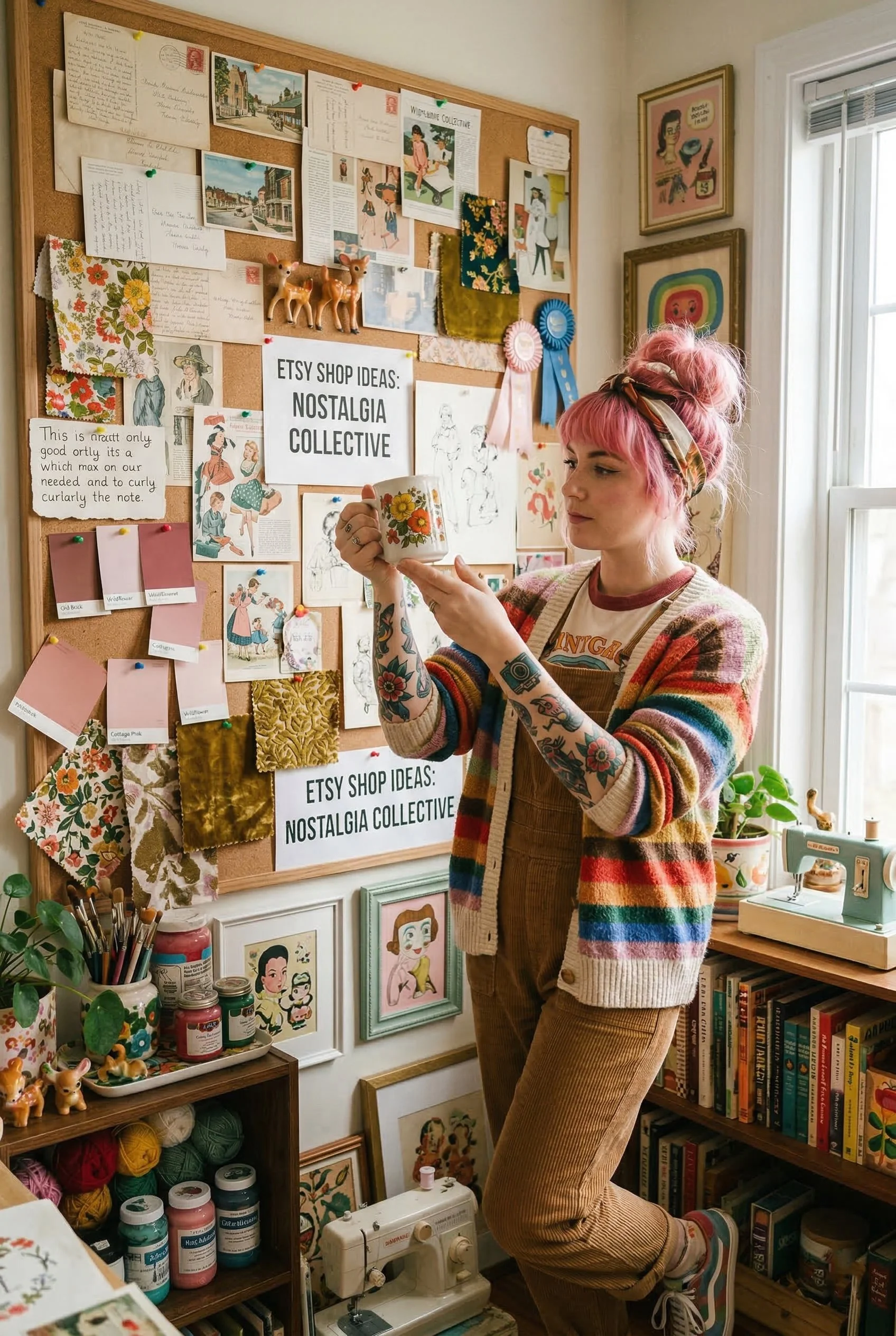
A Beginner-Friendly Way to Learn the Process
If you want a step-by-step walkthrough of how Etsy works specifically for artists, I created a class to guide you through it:
“Etsy for Artists: A Quick-Start Guide to Selling Art and Building Your Brand” (now a Skillshare Staff Pick 🎉)
In this class, I cover:
How Etsy works for artists
What to sell and how to choose
Why branding matters more than most people realize
How to create a cohesive shop identity using a vision board
I also include a free workbook to help you organize your ideas and take action as you learn.
Final Thoughts: Start Before You Feel Ready
Most artists wait too long to start selling because they feel like they need everything figured out first.
You don’t.
Etsy rewards action, experimentation, and consistency—not perfection.
If you’re serious about turning your art into income, the best thing you can do today is take the first step—with a clear plan behind you.
Etsy For Artists is a Skillshare Staff Pick!
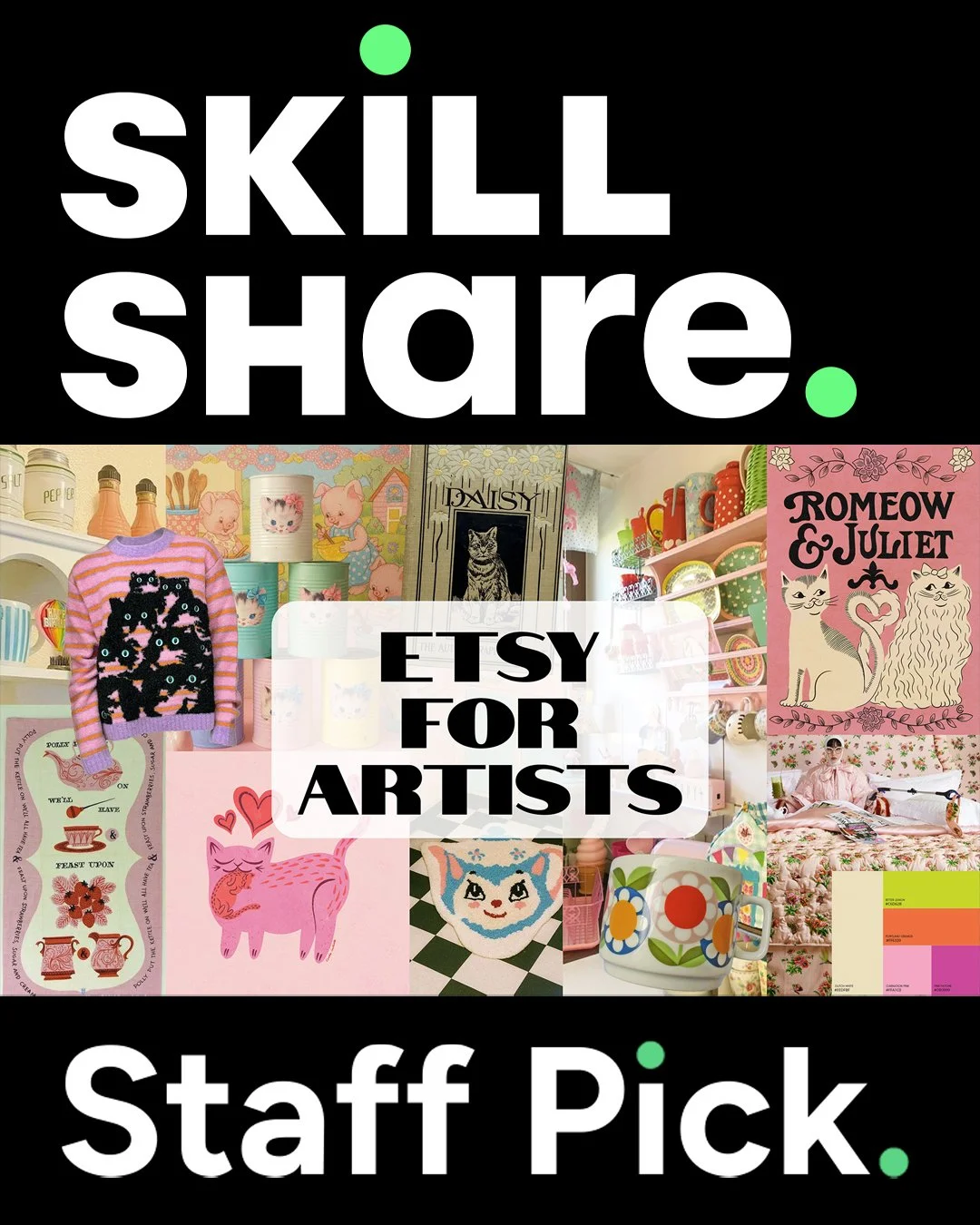
Tiny celebration over here 💃✨ — my class Etsy for Artists: A Quick-Start Guide to Selling Art and Building Your Brand is officially a Skillshare Staff Pick! 🎉
If you’ve been curious about selling your art on Etsy but feel stuck in “where do I even start?” mode… this class is your shortcut.
I’m an Etsy Star Seller — and I made this to be the clear, no-fluff foundation I wish I had when I started.
Inside, I’ll walk you through:
✨ How Etsy actually works for artists
✨ What you can sell (and what actually sells)
✨ Why your shop identity matters way more than you think
✨ How to use a simple vision board to find your direction before you even open your shop
Plus, there’s a free workbook to help you map it all out as you go — no experience needed, just your curiosity 🎨
Ready to turn “maybe someday” into “let’s do this”? 👉 Watch now!
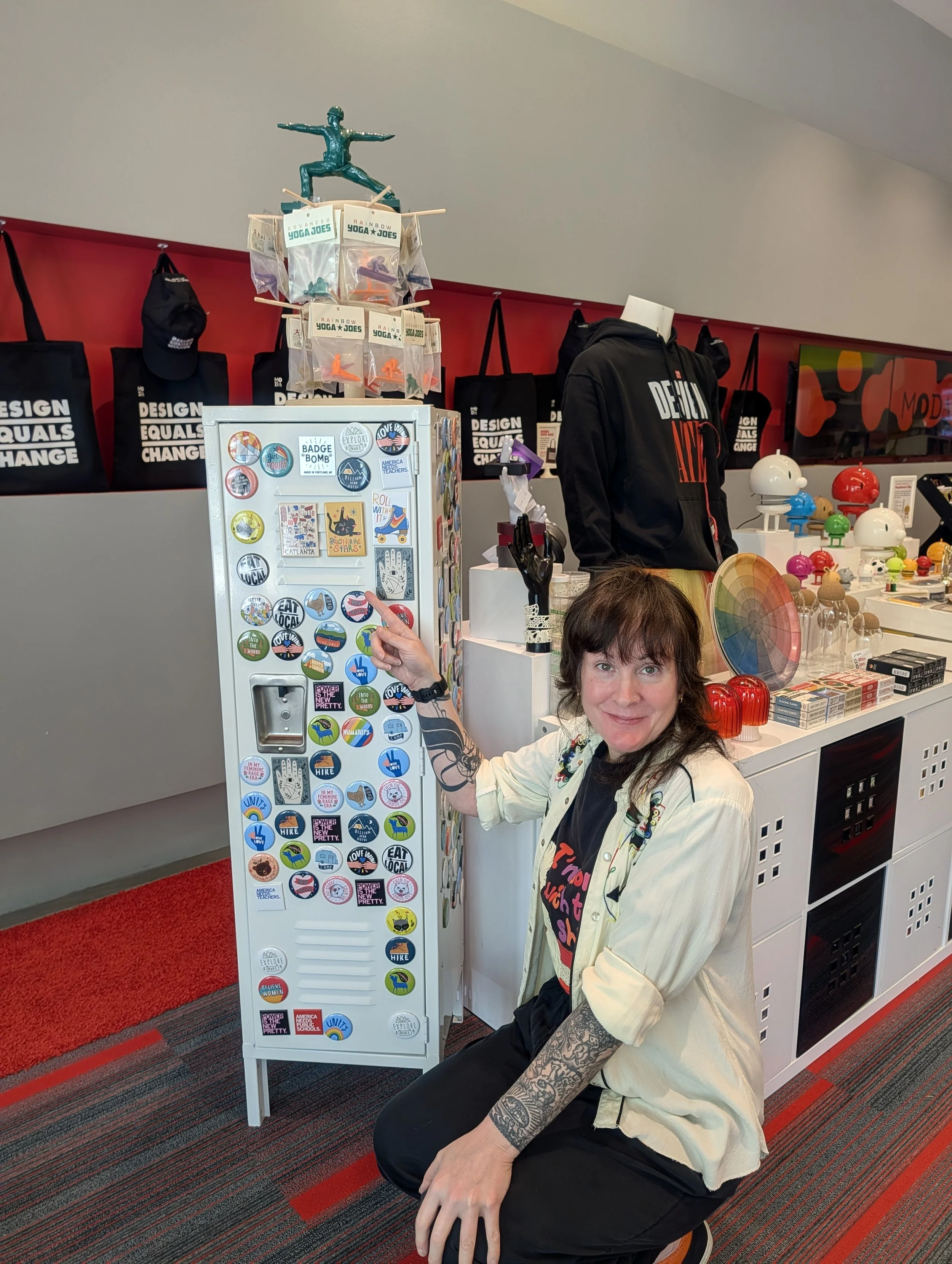
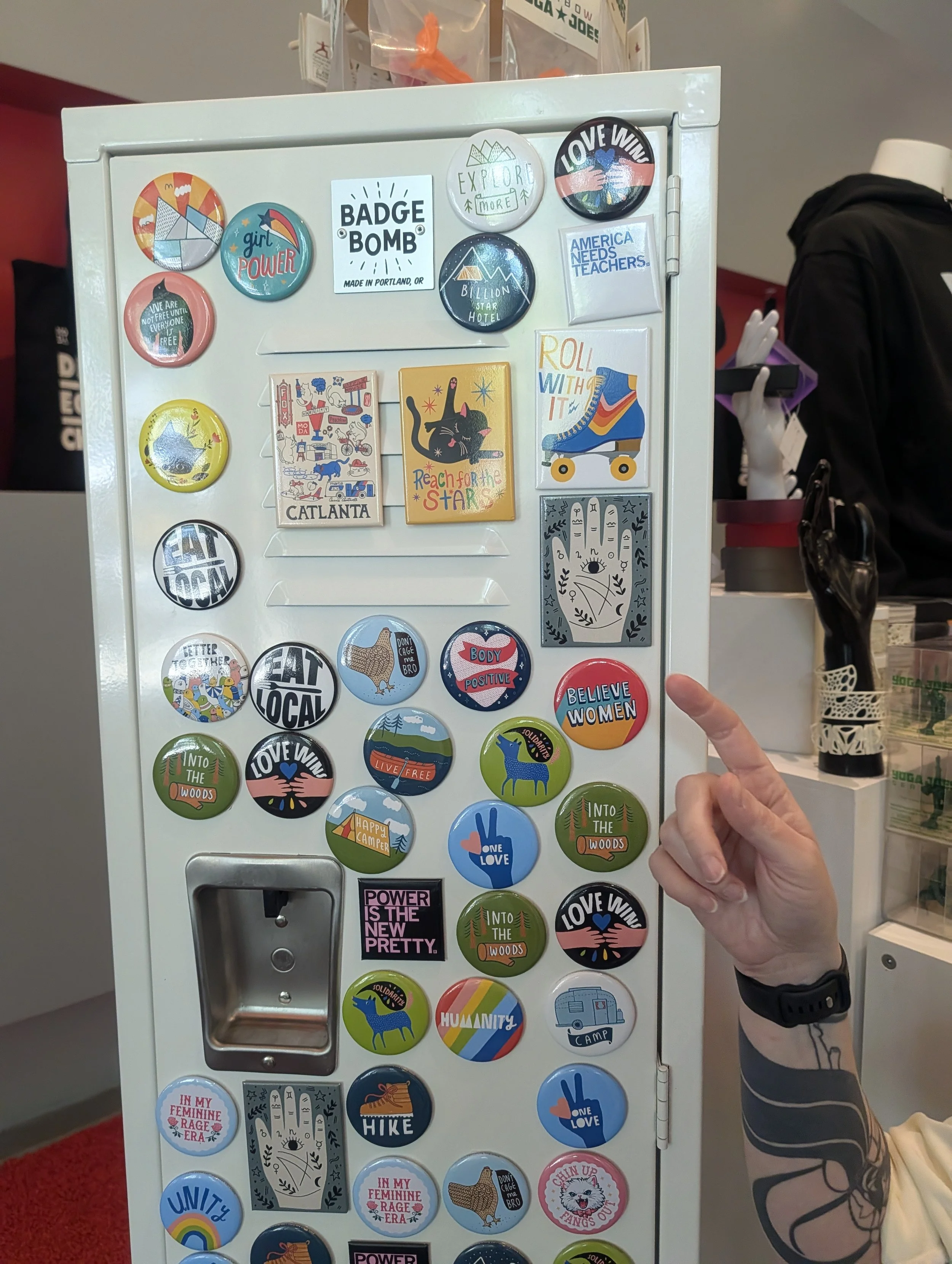
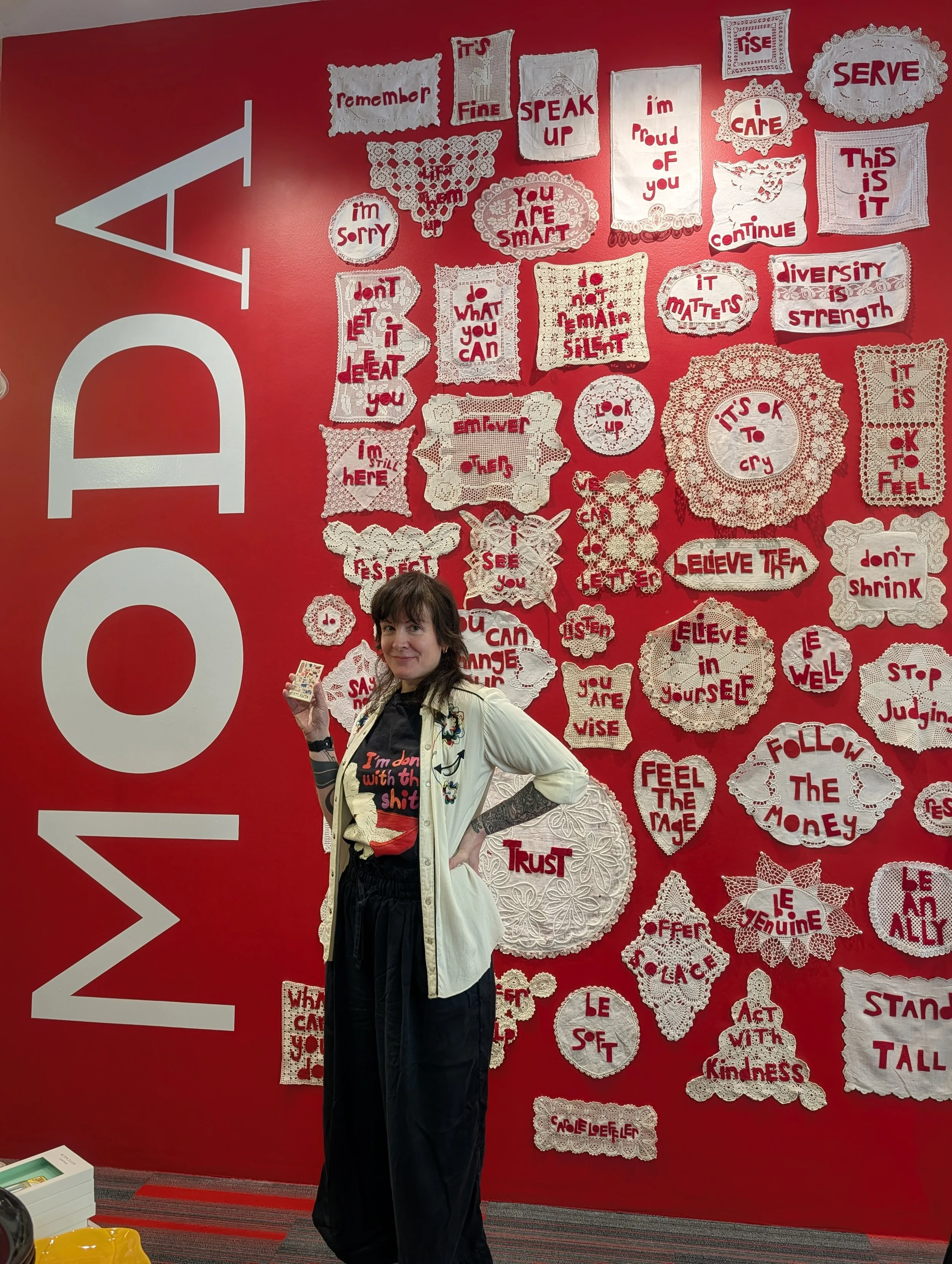
I’m in the MODA Gift Shop!
My Reach for the Stars and Catlanta magnets are now for sale in the MODA (Museum of Design Atlanta) gift shop!
Art Licensing: How It Works, Pricing, Contracts, and How to Get Clients

Art Licensing: Quick Answers
For a full breakdown of art licensing, pricing, and how to get clients, watch the full training below.
-
Art licensing is when an artist gives a company permission to use their artwork on products in exchange for payment, while the artist keeps ownership of the work. This allows artists to earn income from the same piece of art multiple times instead of selling it once.
-
Artists license their art by creating a portfolio, researching companies that align with their style, and pitching their work directly to brands or through licensing agents. Successful licensing often involves follow-up emails, strong presentation, and clear understanding of contracts.
-
Art licensing income varies depending on the deal. Artists may earn:
Flat fees ranging from $50 to $50,000+
Royalties between 3% and 15% of product sales
Higher earnings typically come from larger companies, exclusive agreements, or high-volume product sales.
-
Many types of artwork can be licensed, including:
Illustrations and digital art
Surface pattern designs
Photography
Fine art and paintings
If artwork can be reproduced on a product, it can usually be licensed.
-
No, artists do not need an agent to start licensing their work. Many artists secure licensing deals independently by pitching directly to companies. Agents can help with negotiations and connections but are not required to get started.
-
An art licensing contract should include:
Usage rights (how the art will be used)
Duration (how long the agreement lasts)
Exclusivity (whether others can license the same work)
Payment terms (flat fee or royalties)
Territory (where the work will be sold)
Clear contracts help protect both the artist’s income and ownership rights.
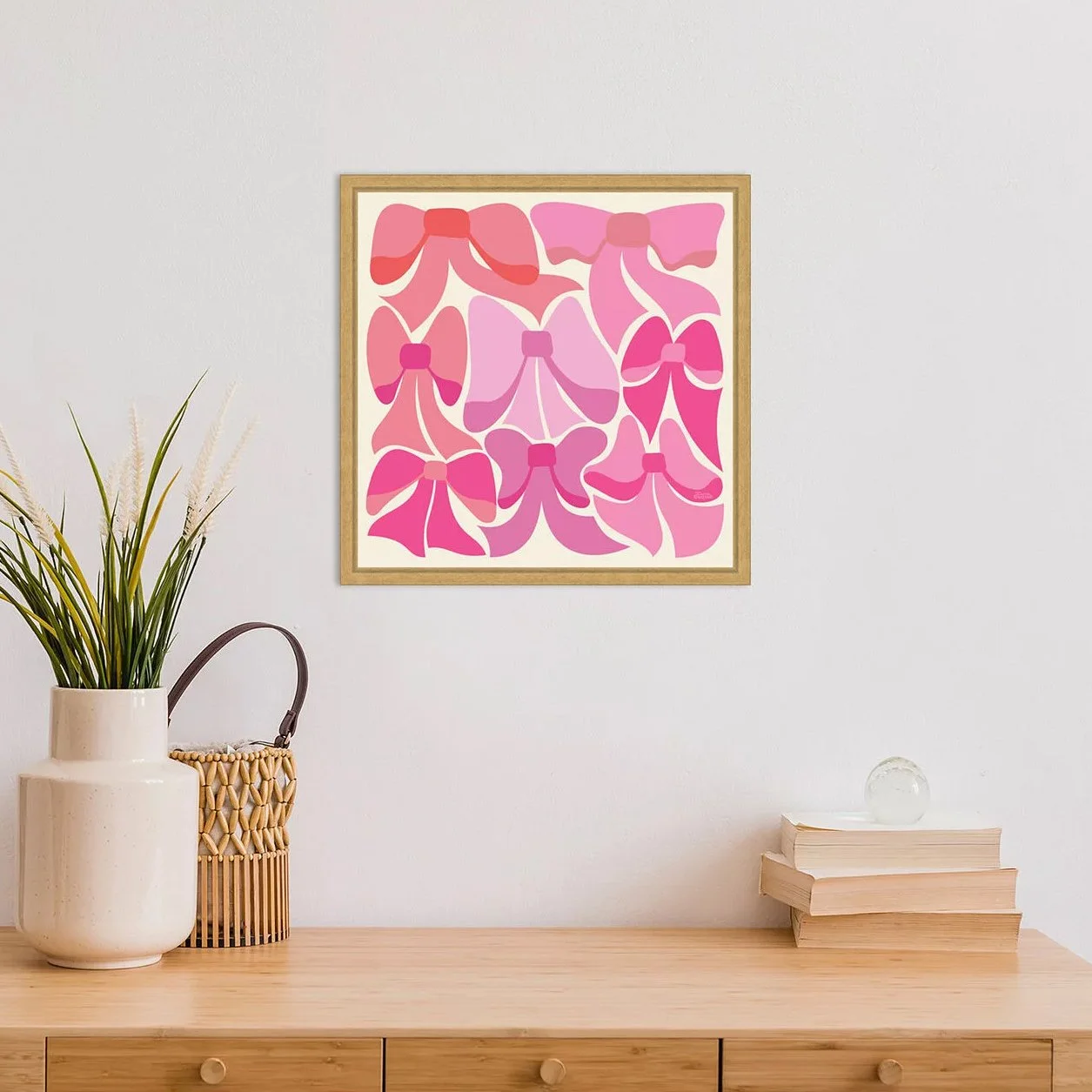
What Is Art Licensing? (And How Artists Actually Make Money)
Art licensing is one of those things that can completely change how you think about your work as an artist. Instead of selling a piece once and moving on, you’re essentially renting out your art to companies who want to use it on their products. That means your artwork can show up on everything from bedding to notebooks to clothing—while you still own it. When artists search “how to license my art,” this is the core idea they’re looking for: you create the work once, and it has the potential to generate income over and over again through licensing deals.
Art licensing is one of the most powerful ways to turn your artwork into scalable income.
At its core, art licensing means granting permission for a company to use your artwork on their products in exchange for payment—while you still retain ownership.
Instead of selling one piece once, licensing allows your art to live on:
Home decor
Apparel
Stationery
Packaging
Books
And more
This is how artists build long-term, repeatable income streams.
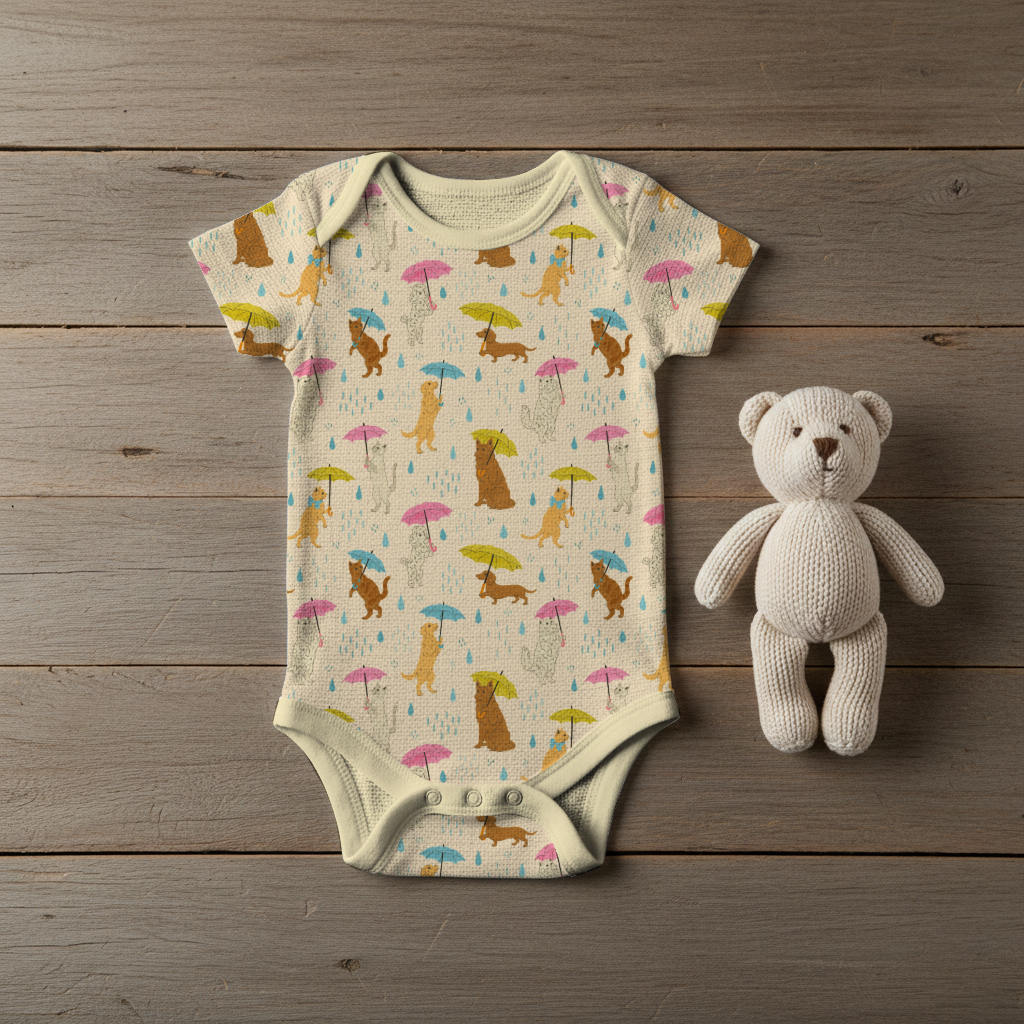
Watch the Full Art Licensing Training
If you’re the kind of person who likes to see real examples and hear how this works in practice, I walk through all of it in detail in my full training. This isn’t just theory—it’s based on how I’ve personally landed licensing deals with major retailers and built my career without an agent. If you’ve been Googling or asking AI tools how to get art licensing clients or how to price licensing deals, this video connects all the dots in a way that’s hard to get from scattered information online.
If you want the full breakdown—including real pricing, contract tips, and pitching strategies—watch my free 47-minute presentation below:
Types of Art That Can Be Licensed
One of the biggest misconceptions I see is artists assuming their work “doesn’t fit” licensing. In reality, companies are licensing all kinds of styles and mediums. Whether you’re creating playful illustrations, detailed patterns, fine art, or even photography, there are brands out there actively looking for artwork like yours. When people search “what kind of art can be licensed,” the answer is usually broader than they expect. If your work can be reproduced on a product, there’s a strong chance it can be licensed—you just need to connect it with the right market.
Licensable art includes:
Illustrations and digital art
Surface pattern designs
Photography
Fine art and paintings
If your work can be reproduced, it can likely be licensed.
Art Licensing Pricing: What Artists Actually Get Paid
Pricing is where things start to feel real, and also where a lot of artists feel unsure. The truth is, art licensing pricing isn’t one-size-fits-all—it depends on how the artwork is being used, how widely it’s distributed, and whether the agreement is exclusive. Some deals pay a flat fee upfront, while others include royalties, which means you earn a percentage of every sale. If you’ve ever searched “how much do artists make from licensing,” the ranges can feel all over the place—but once you understand the structure behind pricing, it becomes much easier to evaluate what’s fair and advocate for your work.
Pricing in art licensing varies widely depending on usage, scale, and exclusivity.
Flat Fee Licensing
One-time payment
$50 to $50,000+ depending on project scope
Royalty-Based Licensing
Ongoing percentage of sales
Typically ranges from 3% to 15%
Example Industry Rates
Wall art: 5% to 15%
Textiles: 2% to 5%
Stationery: 4% to 8%
Apparel: 3% to 10%
Understanding these ranges helps you avoid underpricing your work.
Art Licensing Contracts: What to Look For
Contracts might not be the most exciting part of licensing, but they’re absolutely where your power is. A good licensing agreement clearly defines how your artwork will be used, for how long, and how you’ll be paid. This is also where you protect your rights as an artist. When people look up “art licensing contract tips” or “what to watch out for in licensing agreements,” it usually comes down to a few key things: avoiding vague or unlimited usage rights, making sure there’s a clear end date, and ensuring you’re being compensated fairly. Understanding these basics can save you from deals that look good on the surface but don’t actually support your long-term growth.
A strong contract protects both your income and your rights.
Key elements include:
Usage rights
Exclusivity
Duration
Payment structure
Territory
Red flags to avoid:
Perpetual rights (no end date)
Work-for-hire clauses
No royalty reporting
Below-market rates
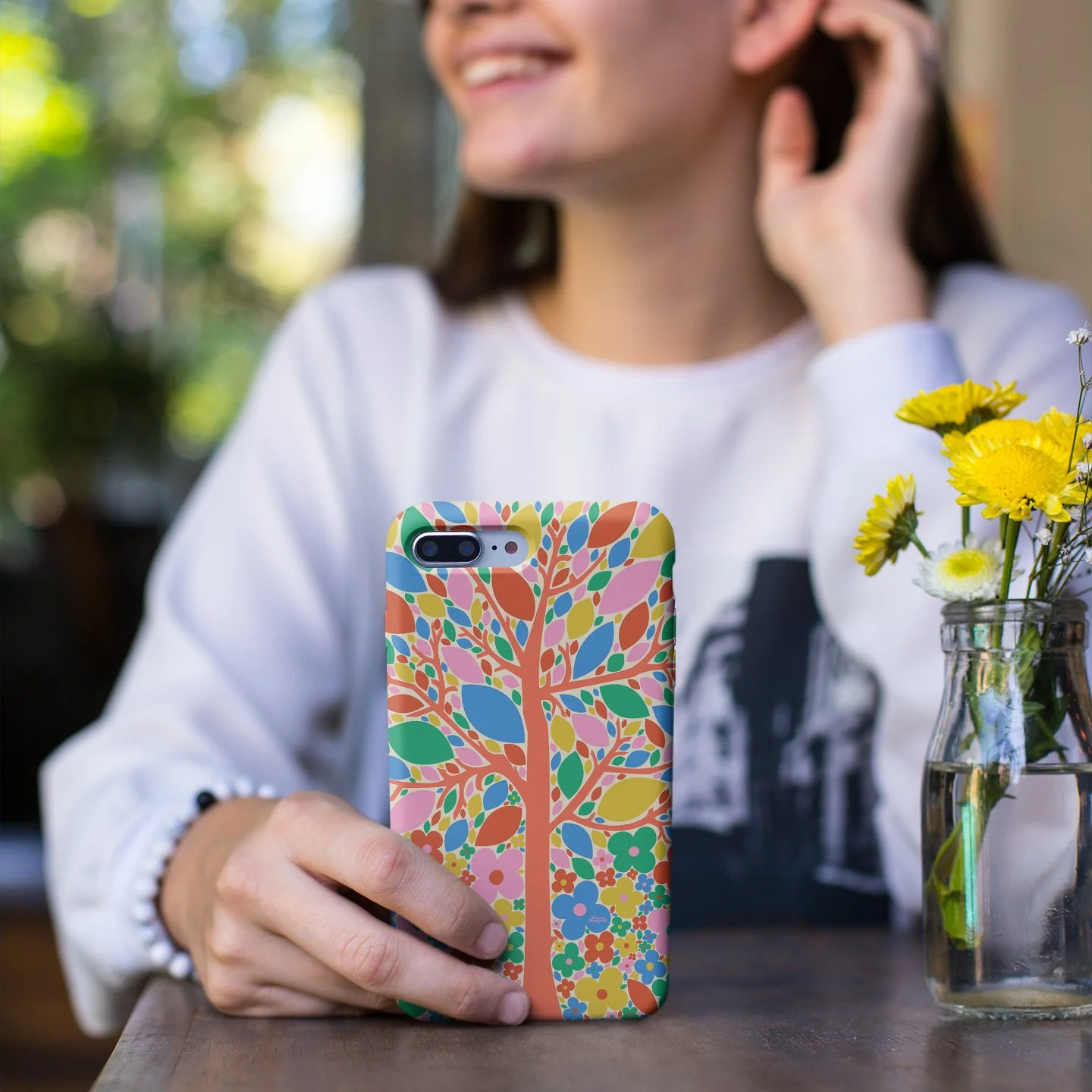
How to Get Art Licensing Deals
This is the part everyone wants to know: how do you actually get companies to say yes? Getting art licensing deals is less about luck and more about strategy and consistency. It starts with researching brands that already align with your style, then reaching out with a thoughtful, professional pitch. And just as important—following up. Most artists stop too soon, but in reality, many licensing opportunities come after multiple points of contact. If you’ve been searching “how to pitch art licensing” or “how to find licensing clients,” this is where persistence and clarity really start to pay off.
Landing deals isn’t about luck—it’s about strategy.
1. Research the Right Brands
Look for companies that already use artwork similar to yours.
2. Create a Strong Pitch
Keep it concise, personalized, and visually compelling.
3. Follow Up (This Is Where Most Artists Miss Opportunities)
Most deals happen after multiple touchpoints—not the first email.
Do You Need an Art Licensing Agent?
A lot of artists wonder if they need an agent before they can even begin, and the answer is no—you can absolutely start licensing your work on your own. Agents can be incredibly helpful when it comes to negotiating deals and opening doors, but they’re not the only path. In fact, many artists build their portfolios and land their first licensing clients independently before ever signing with an agent. If you’ve been asking “do I need an art licensing agent,” it’s helpful to think of an agent as a potential next step—not a requirement to get started.
Agents can help with:
Negotiating contracts
Finding opportunities
Managing relationships
But they are not required to begin licensing your work. I don’t have an agent, and I’ve landed every single one of my art licensing deals on my own.
Want Help Building Your Own Art Licensing Career?
If you’re reading this and thinking, “okay, I get it—but I’d love guidance tailored to my work,” that’s exactly why I offer coaching. There’s a big difference between understanding art licensing in general and knowing how to position your portfolio, your style, and your goals in a way that attracts the right clients. When artists search for “art licensing coaching” or “how to get started licensing my art step-by-step,” what they’re really looking for is clarity and direction—and that’s what I help you build.
If you’re ready to go beyond learning and start landing real deals, I offer 1-on-1 coaching for artists.
I’ll help you:
Refine your portfolio
Identify the right clients
Pitch strategically
Navigate contracts and pricing
Final Thoughts
Art licensing isn’t just another income stream—it’s a way to expand your reach as an artist without constantly starting from scratch. Once you understand how licensing works, how to price your work, and how to approach companies, it becomes something you can build on over time. If you’ve been exploring how to license your art or wondering if it’s the right path for you, this is your sign to take it seriously. The opportunities are out there—and with the right approach, they’re more accessible than they might seem.
Art licensing allows you to earn income while maintaining ownership of your work.
With the right knowledge and strategy, it can become a powerful and sustainable part of your art business.
My Art At Princess Awesome!
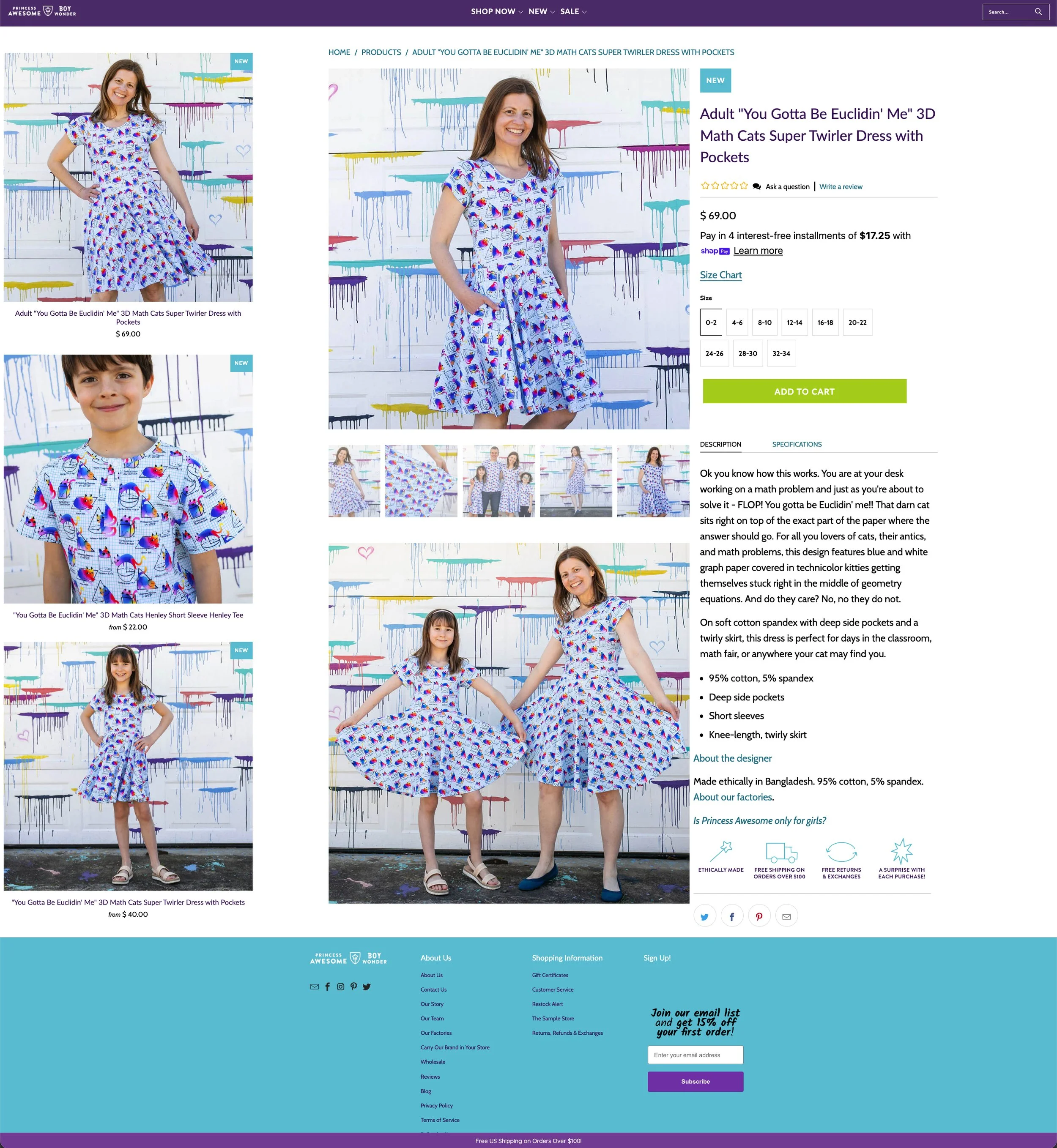
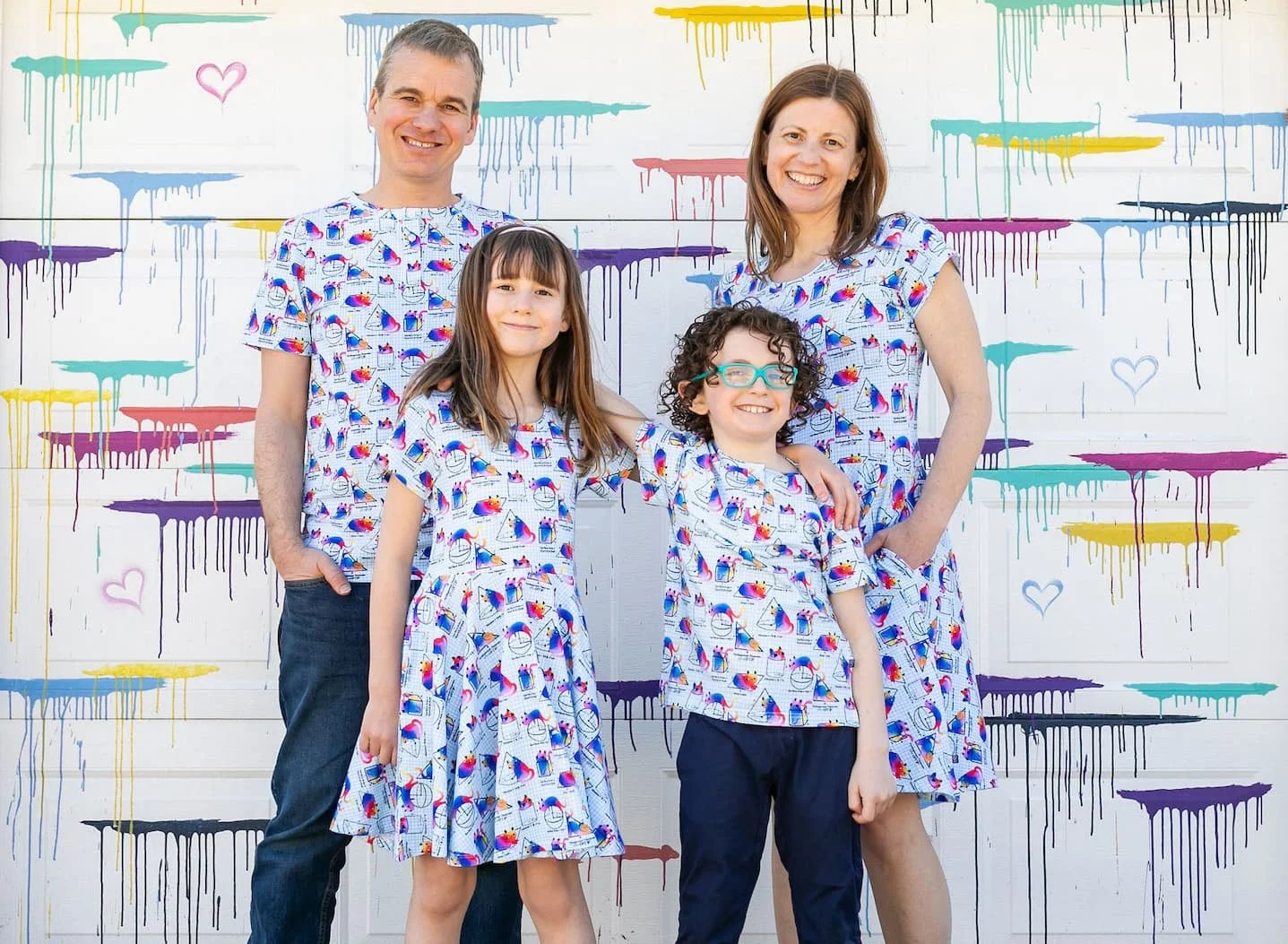
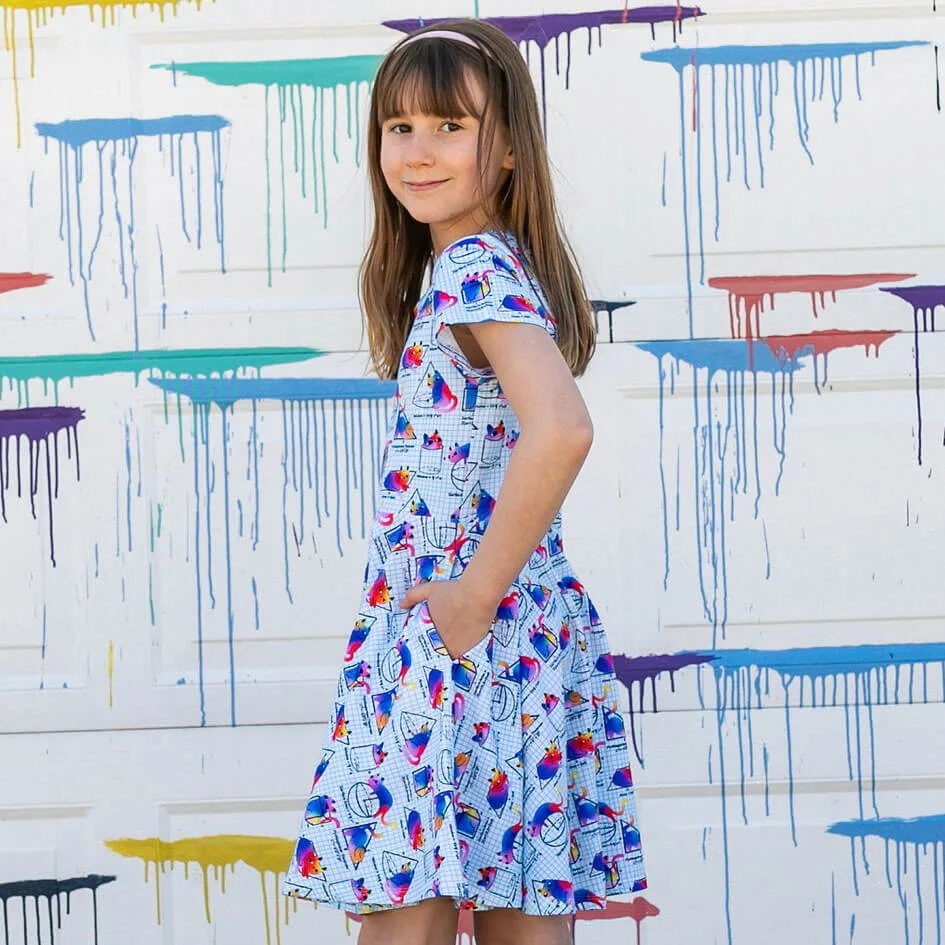
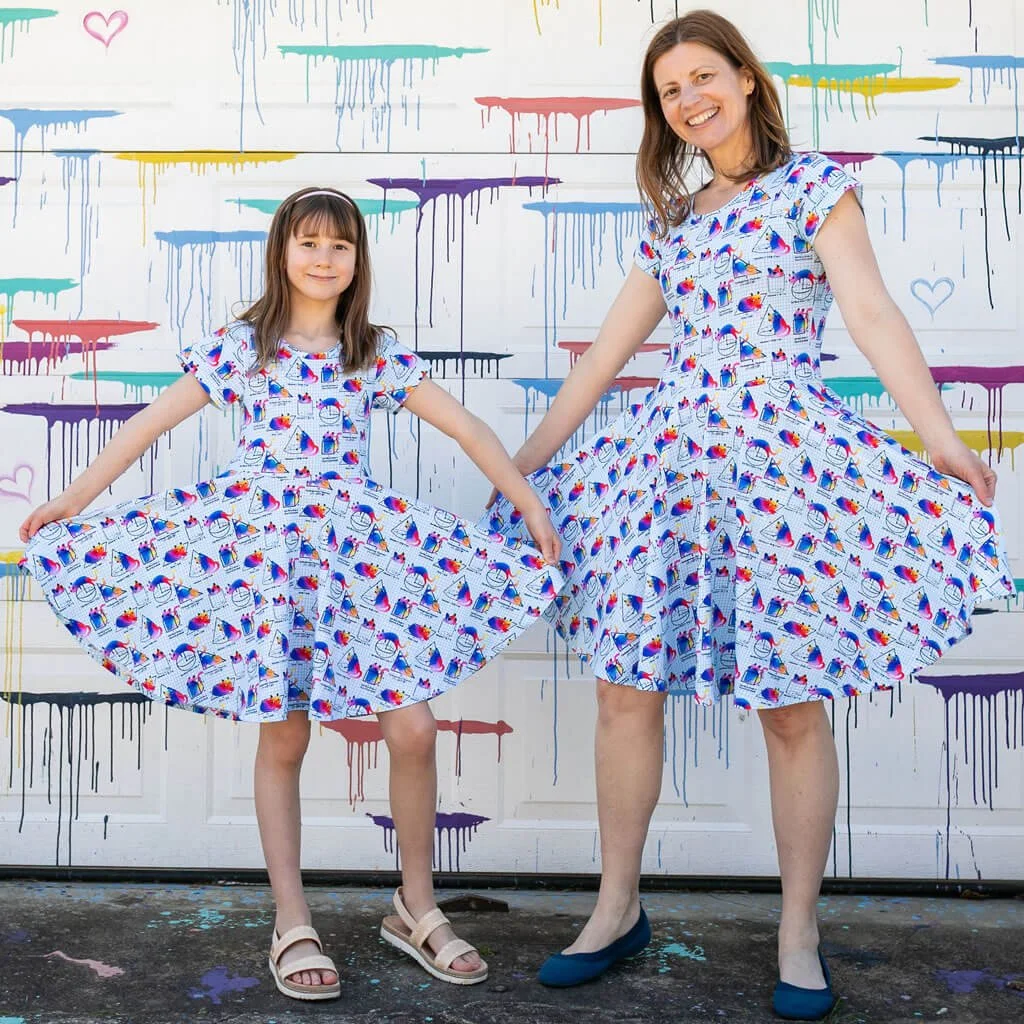
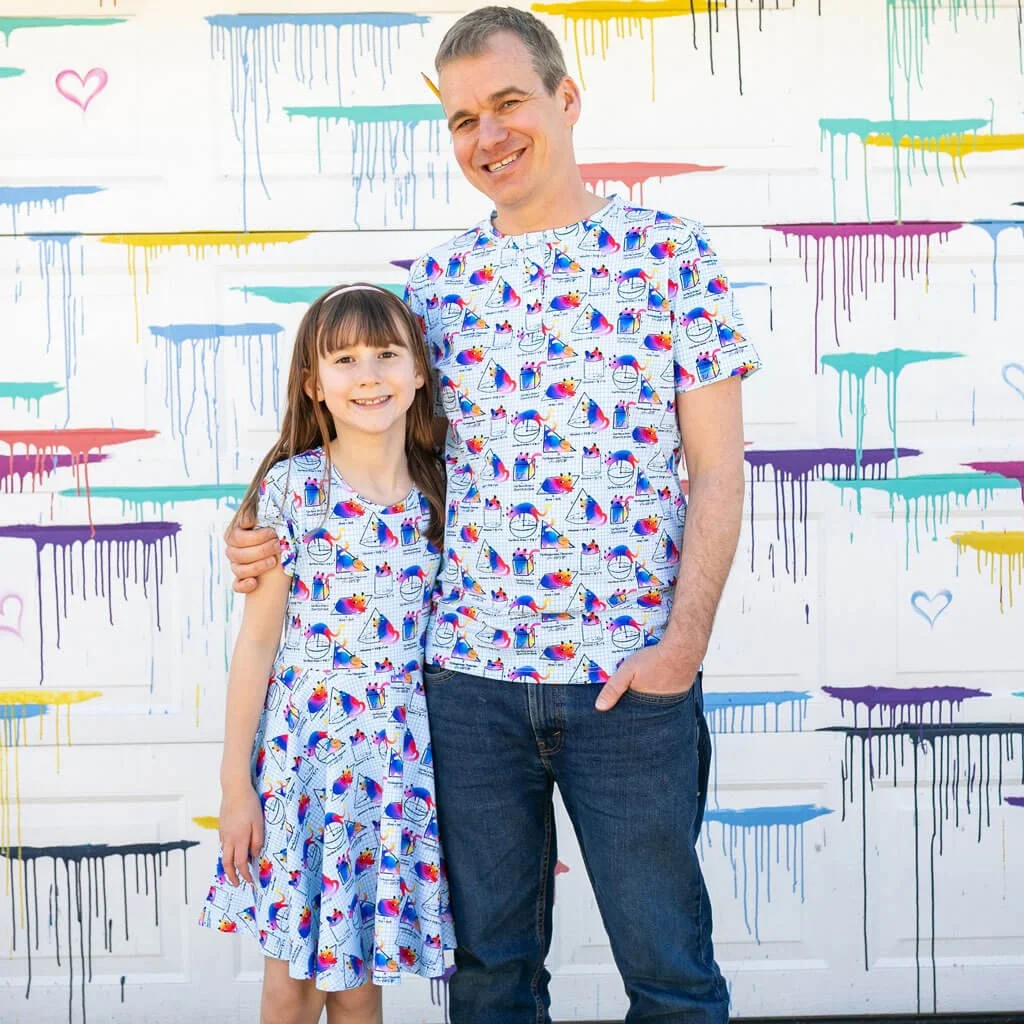
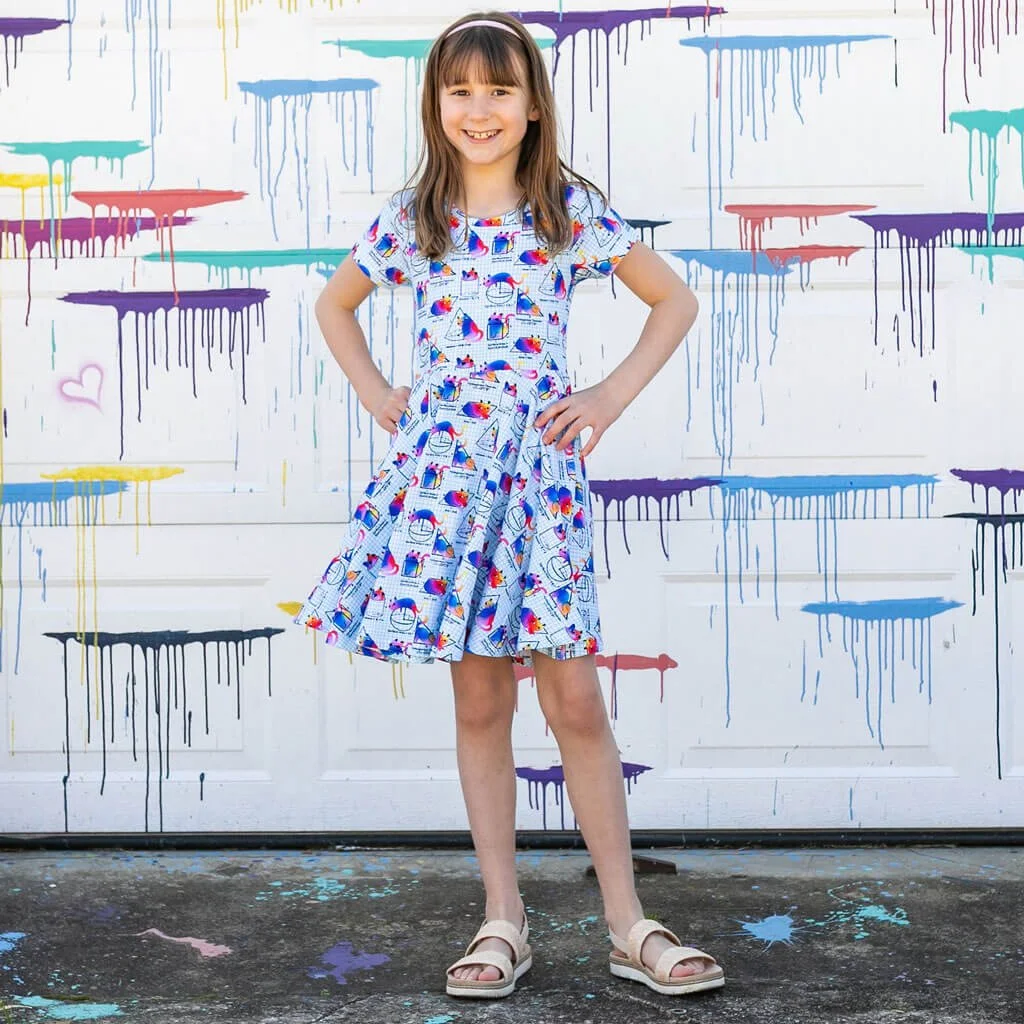
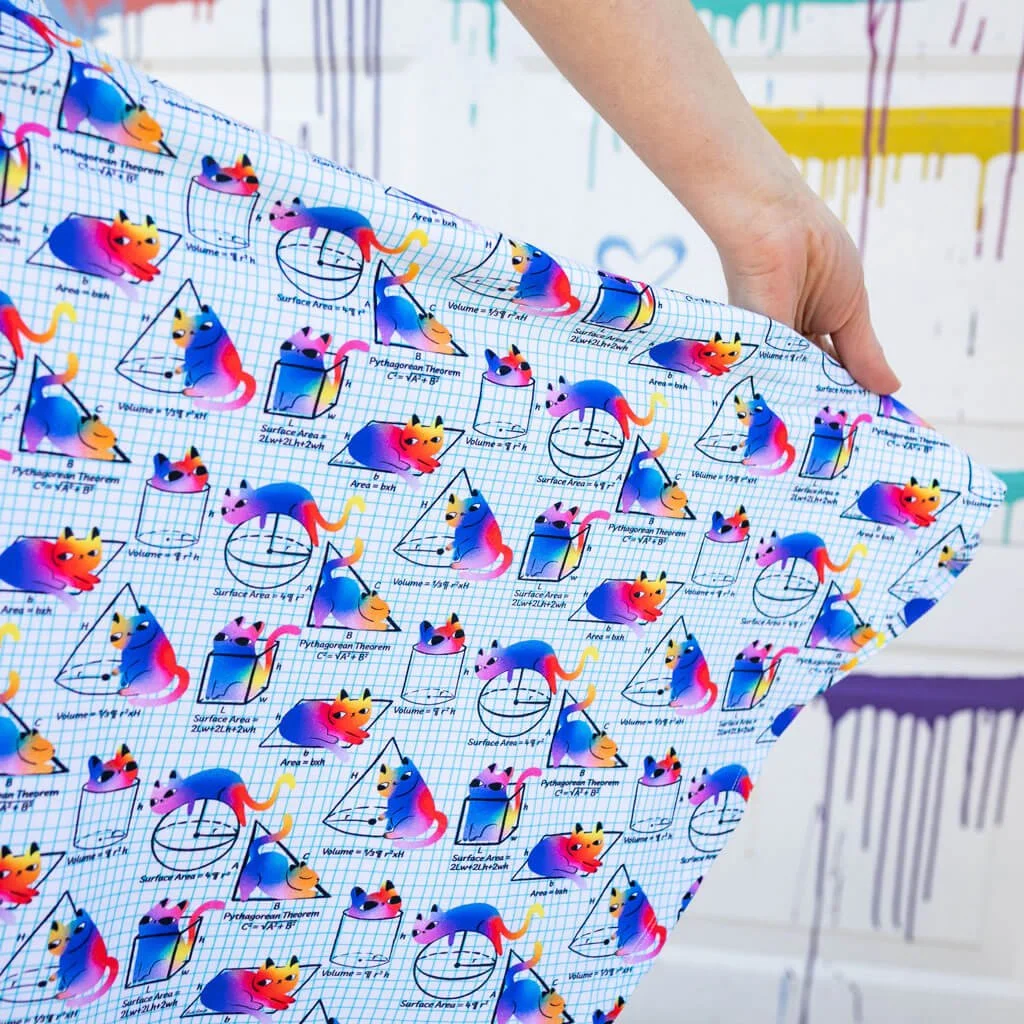
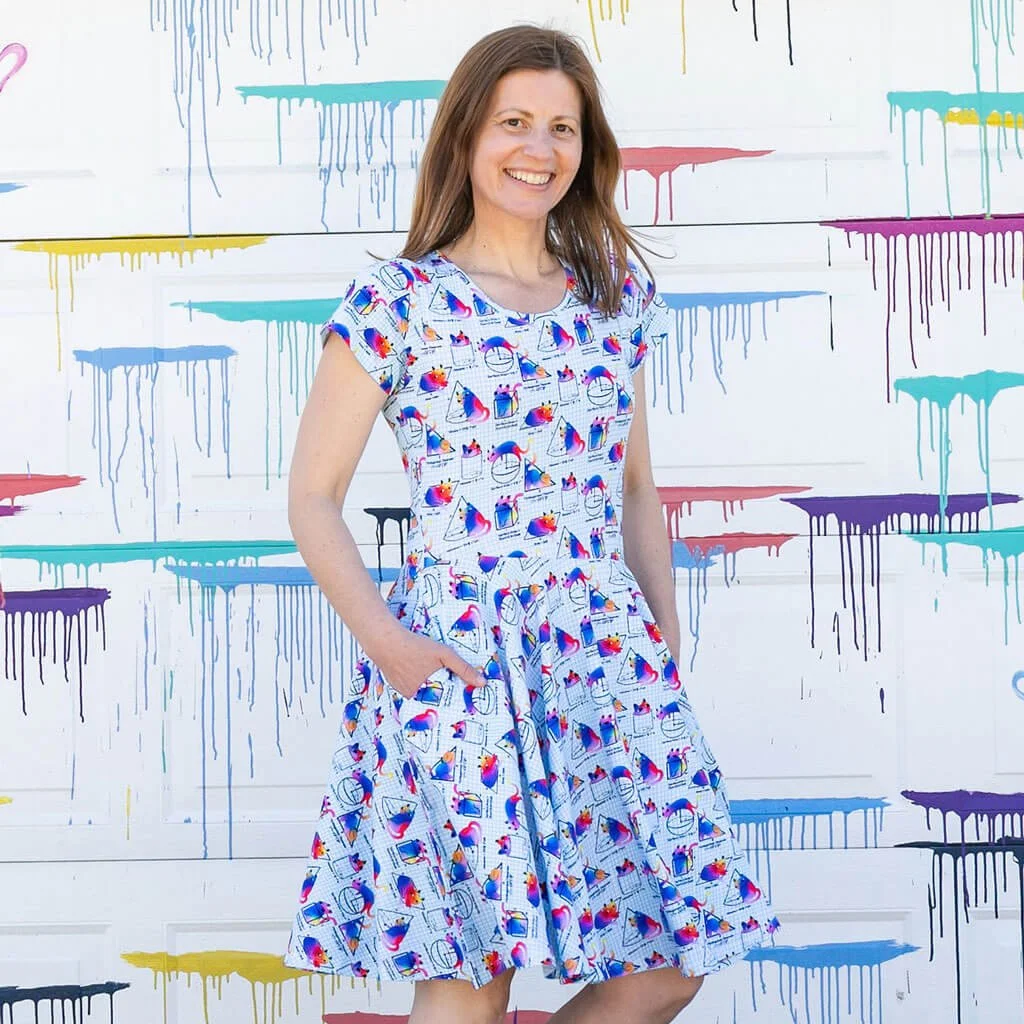
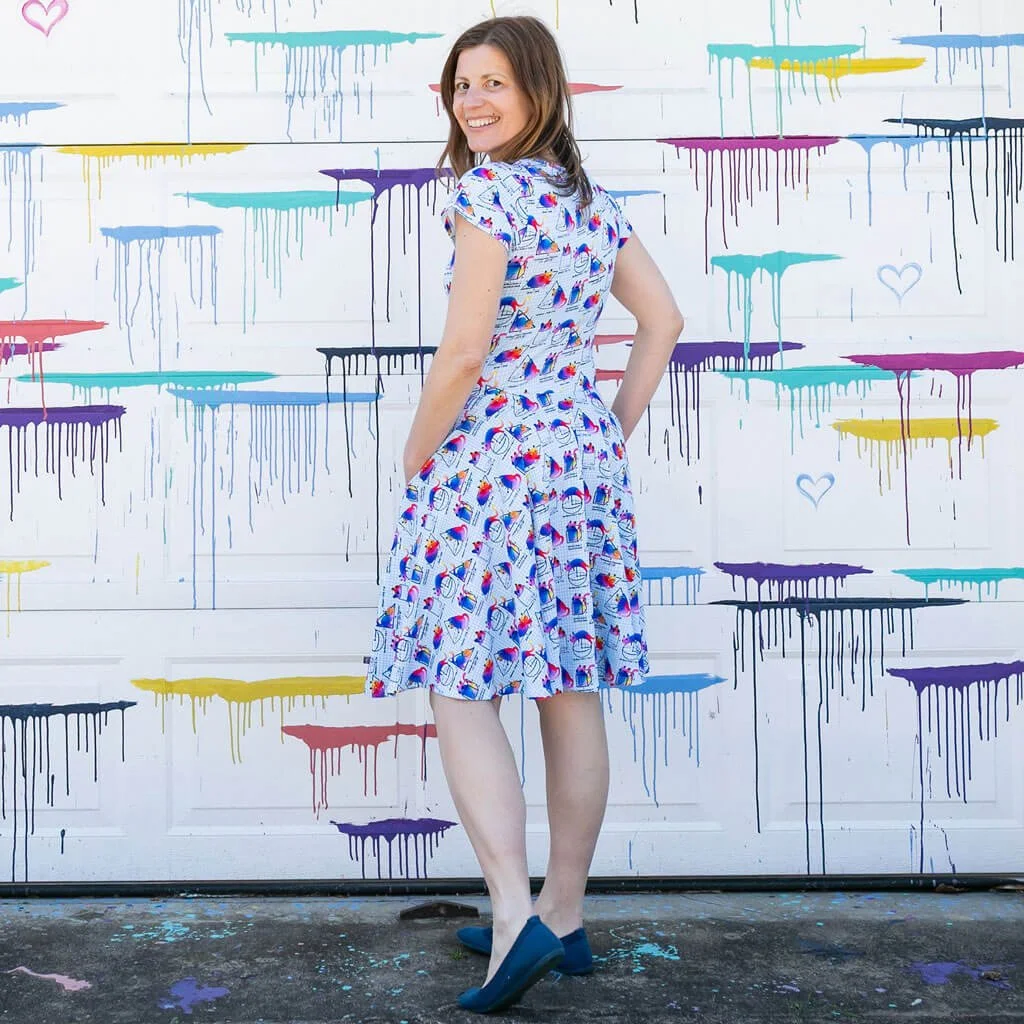
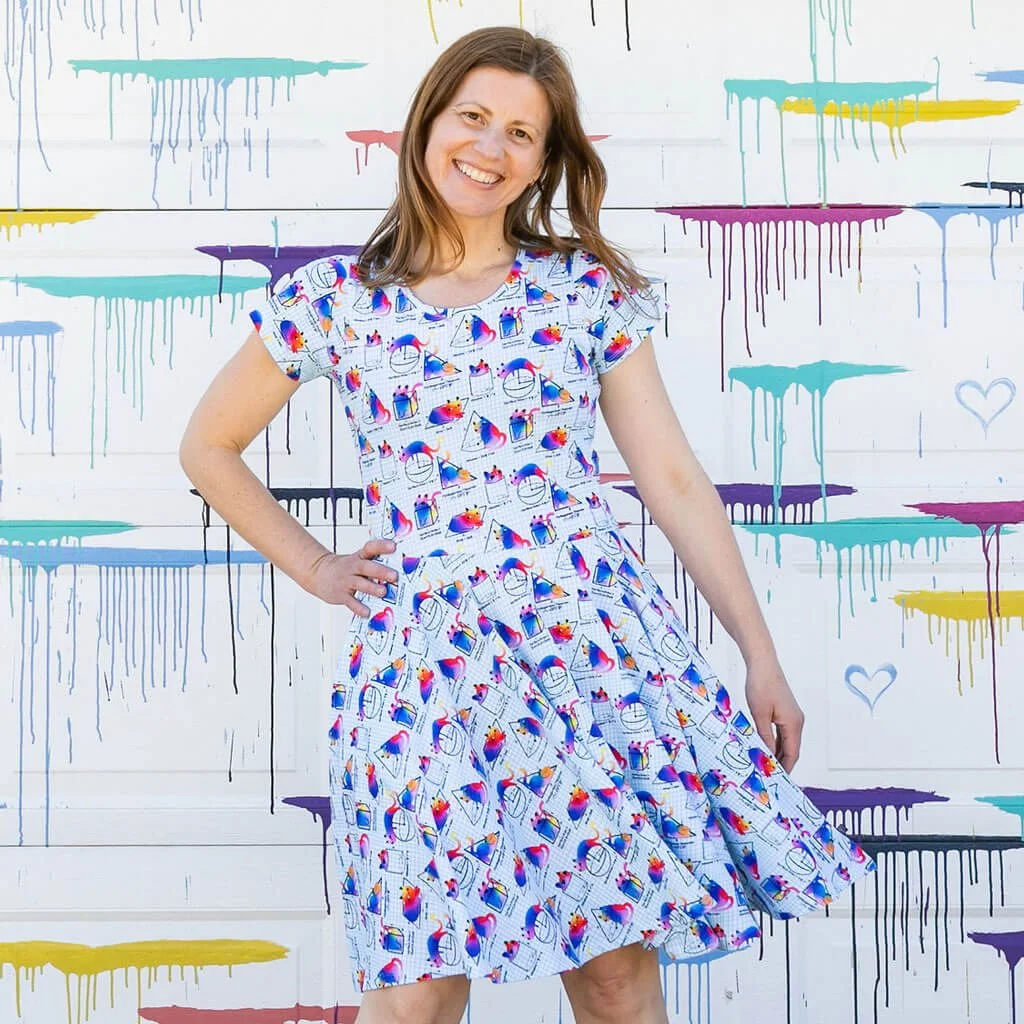
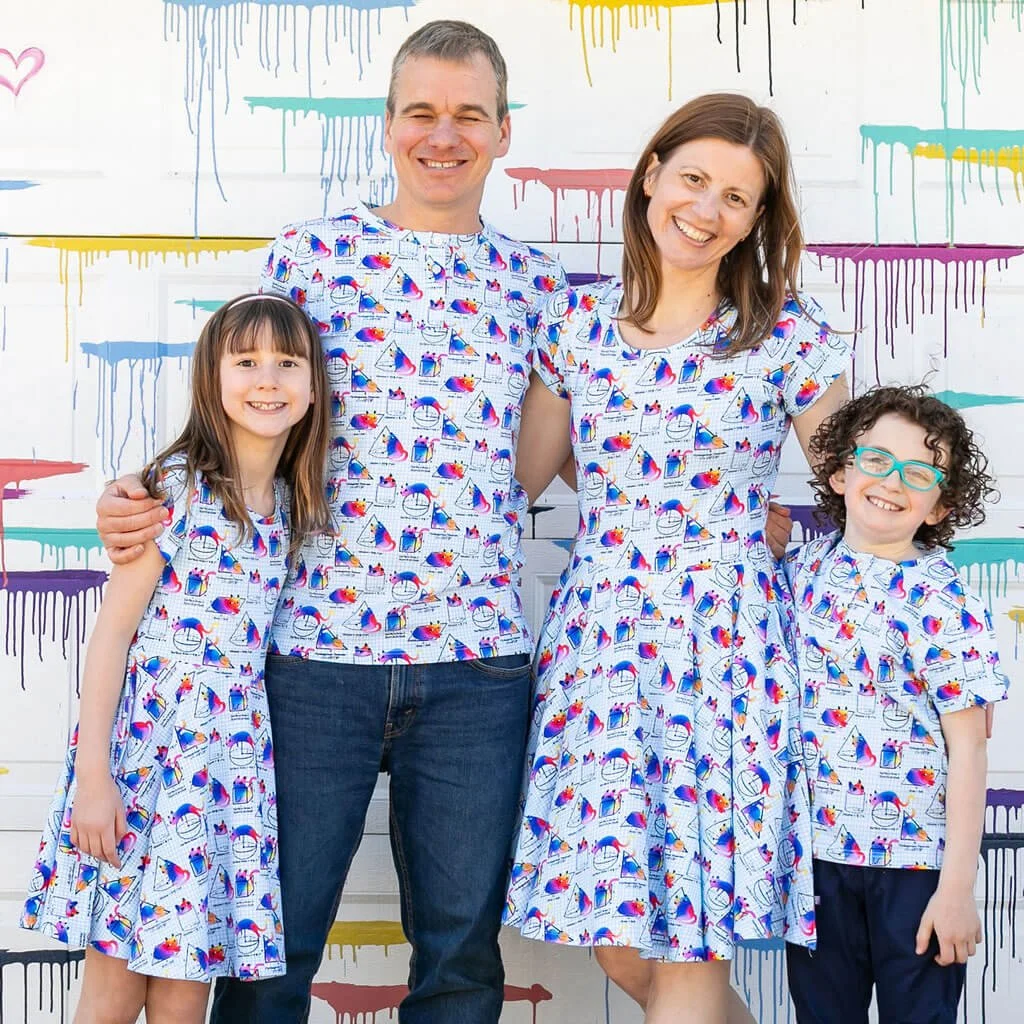
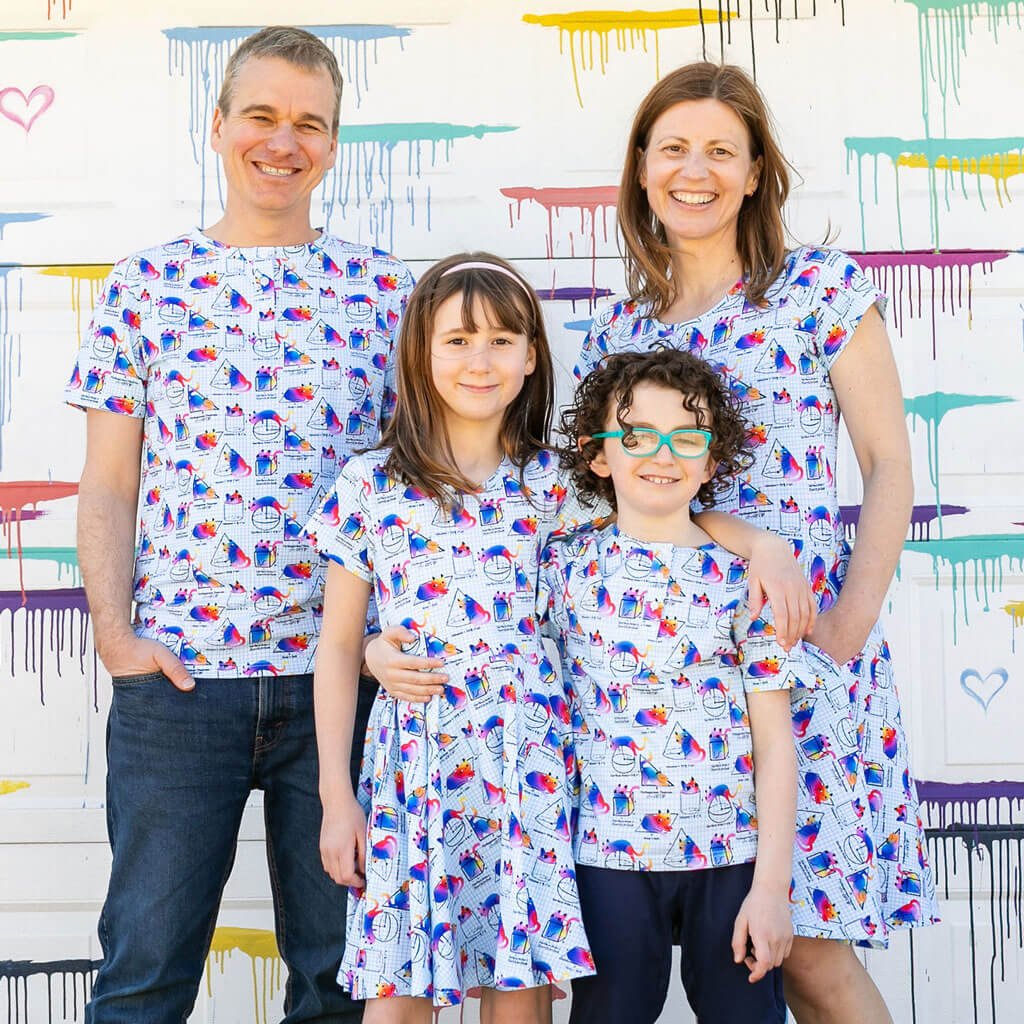
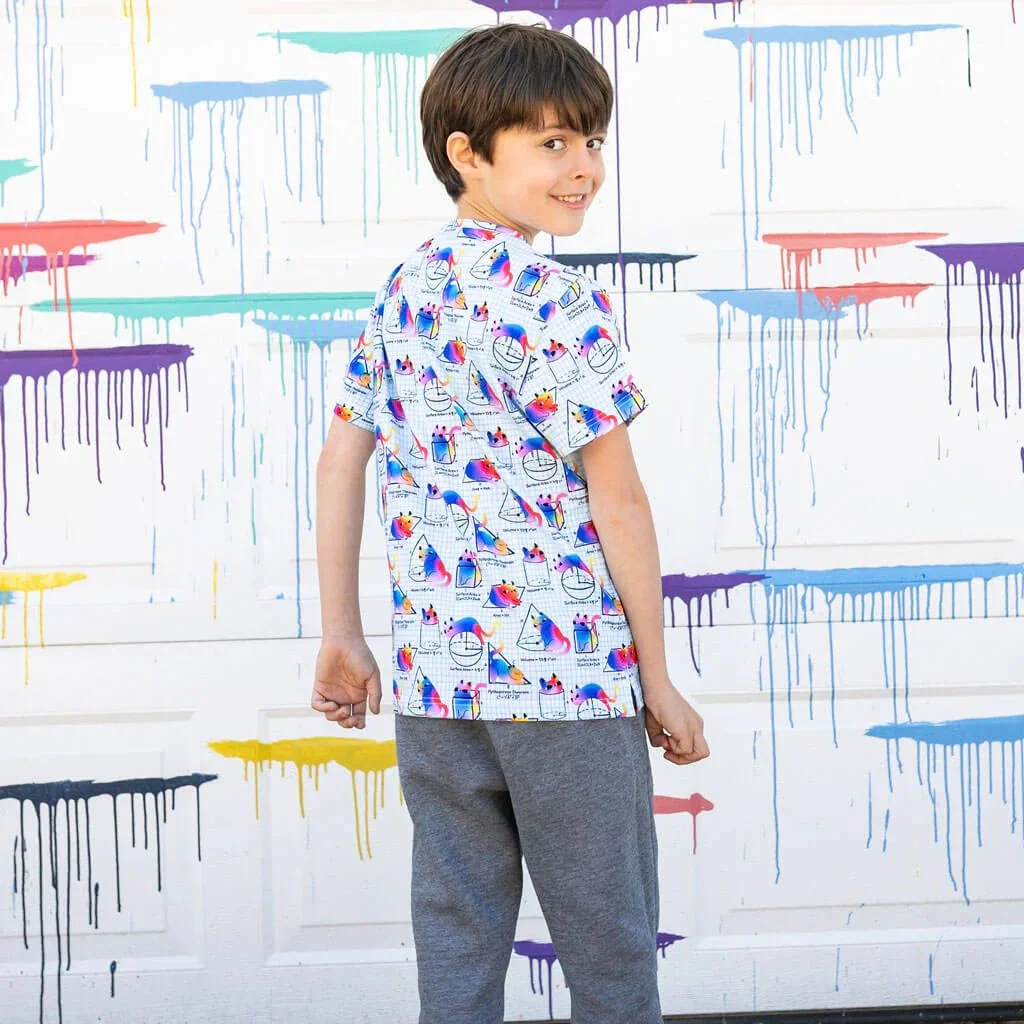
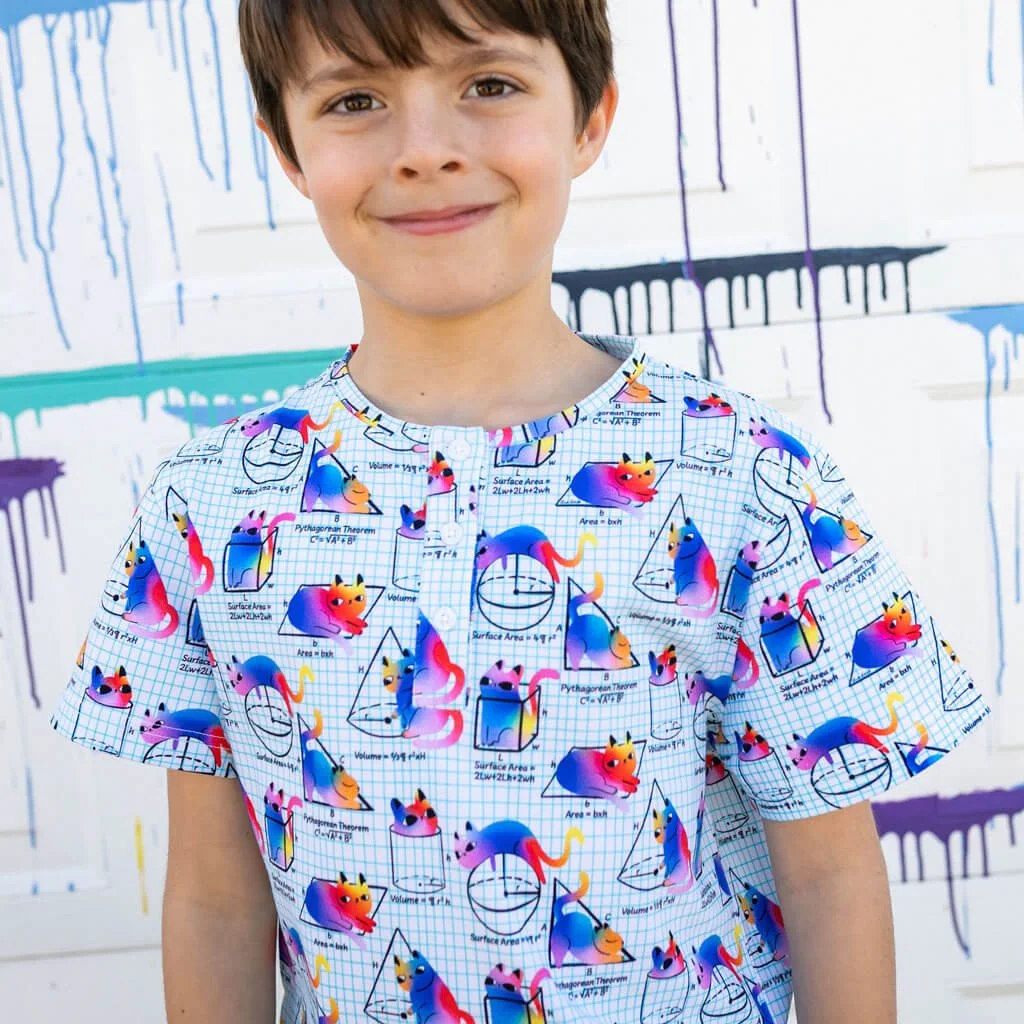
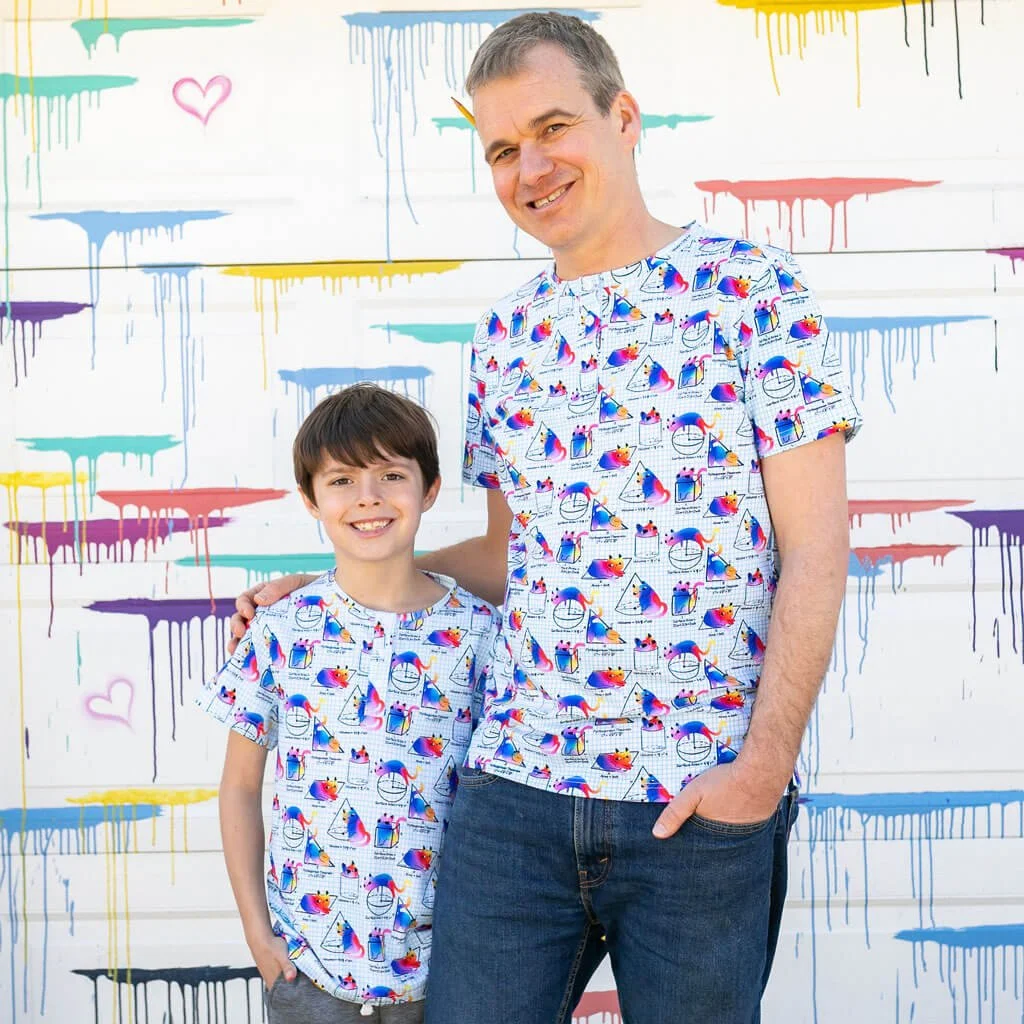
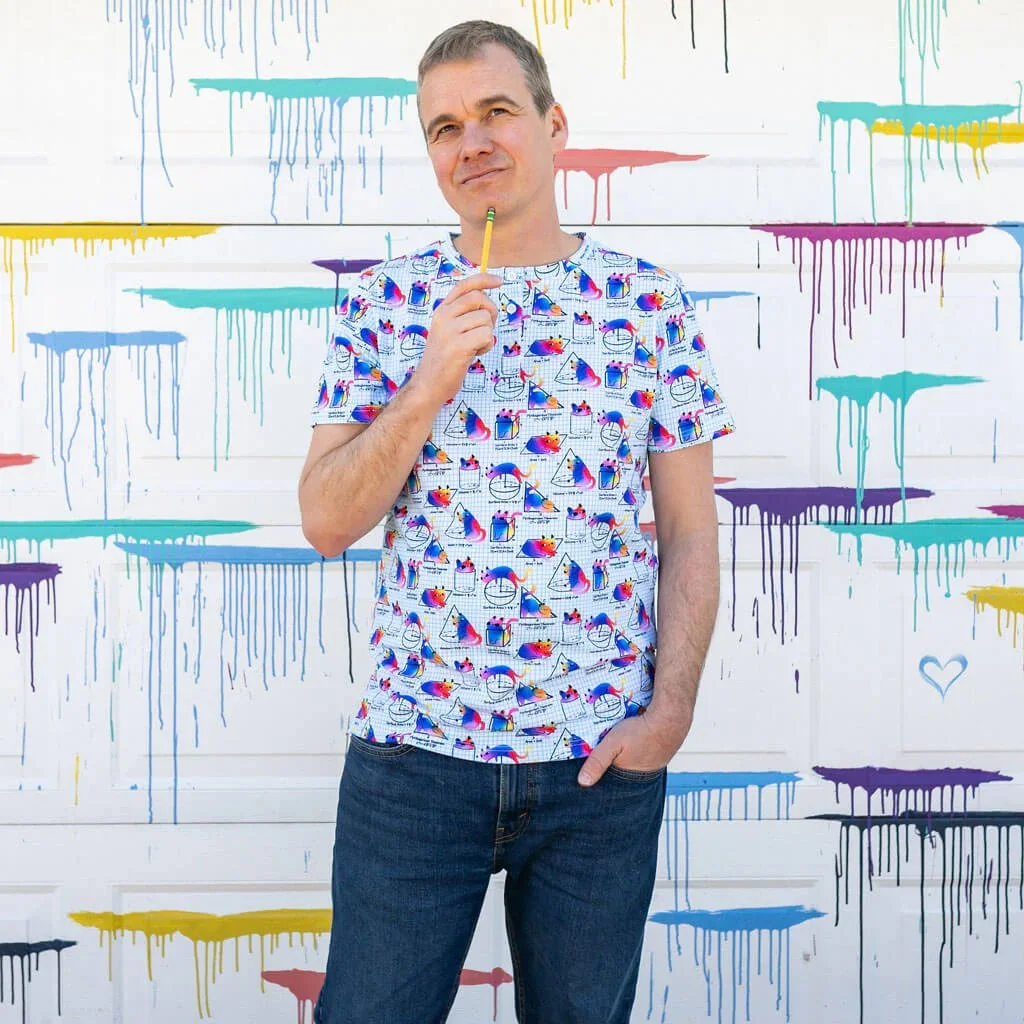
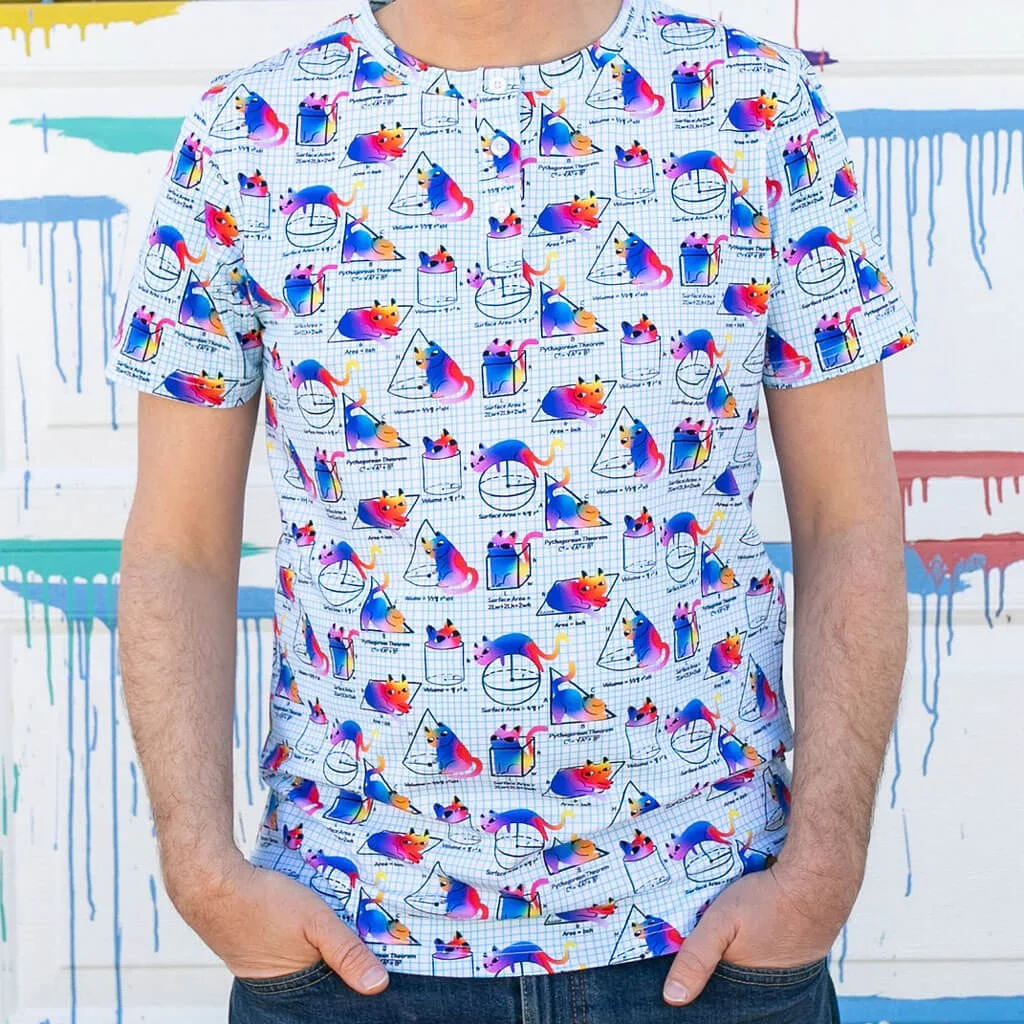
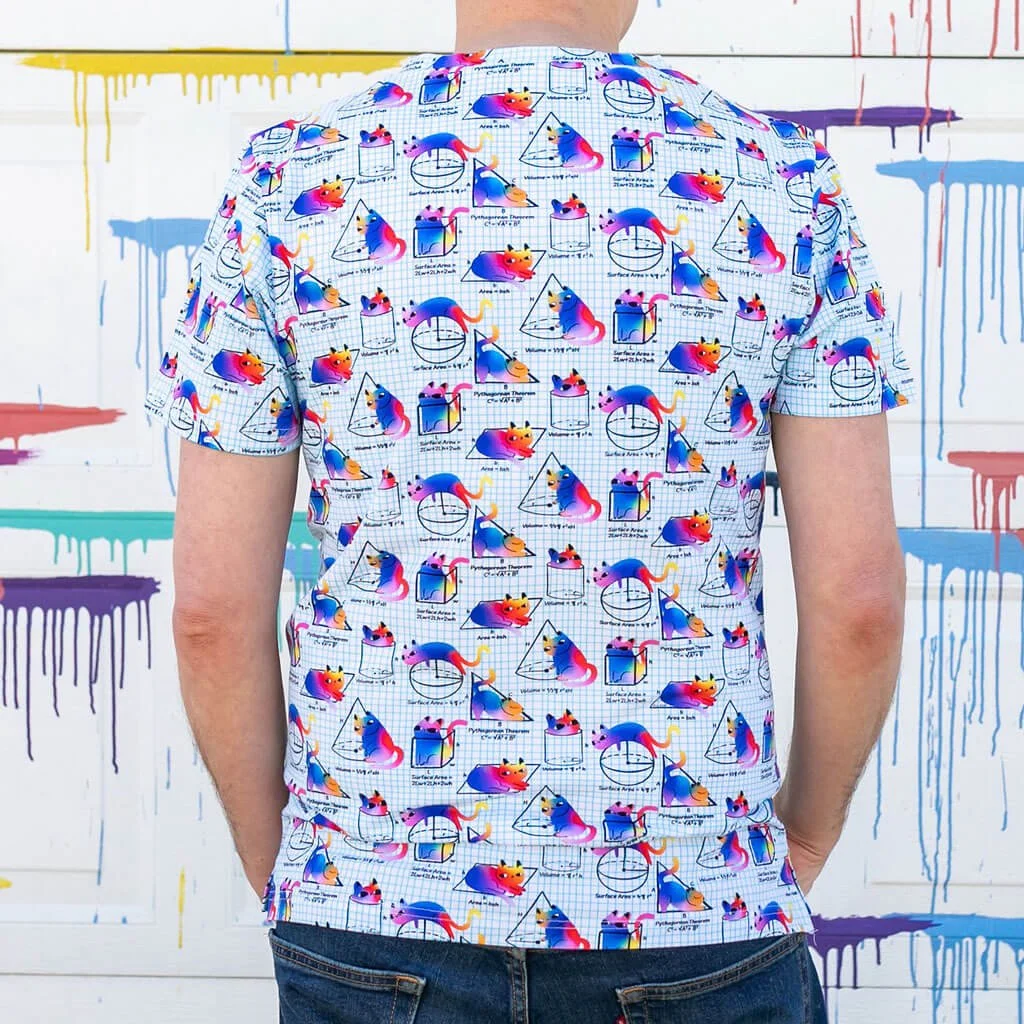
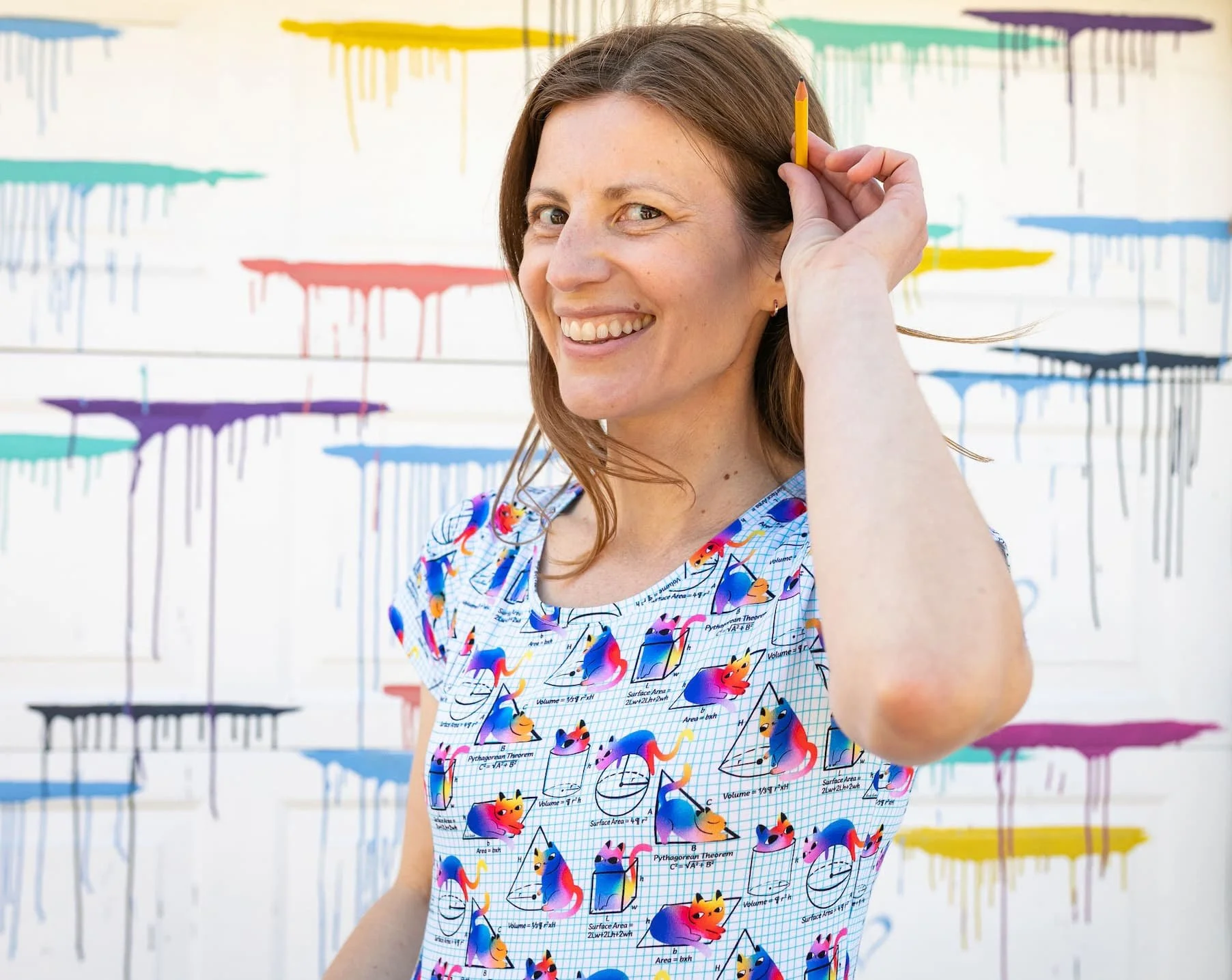
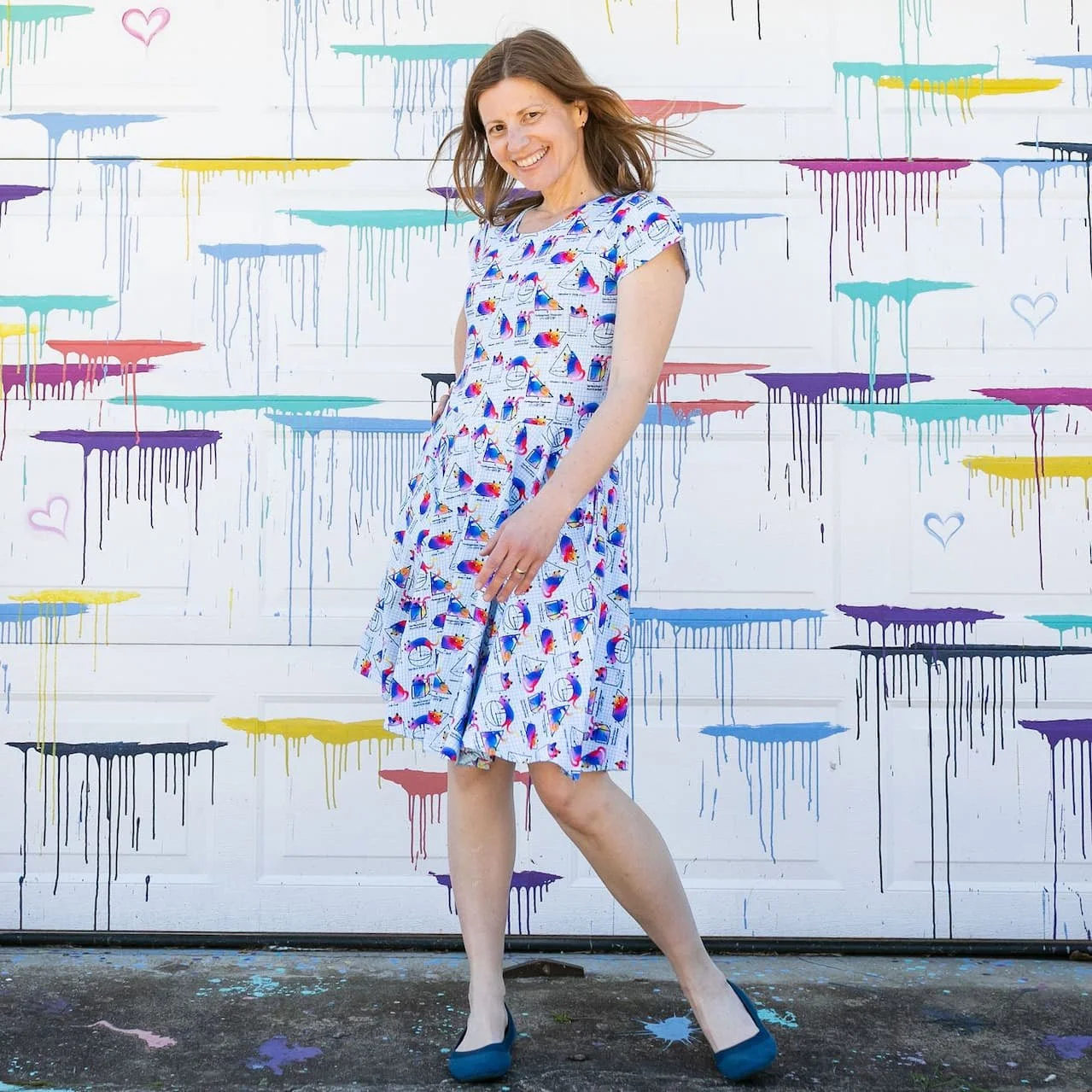
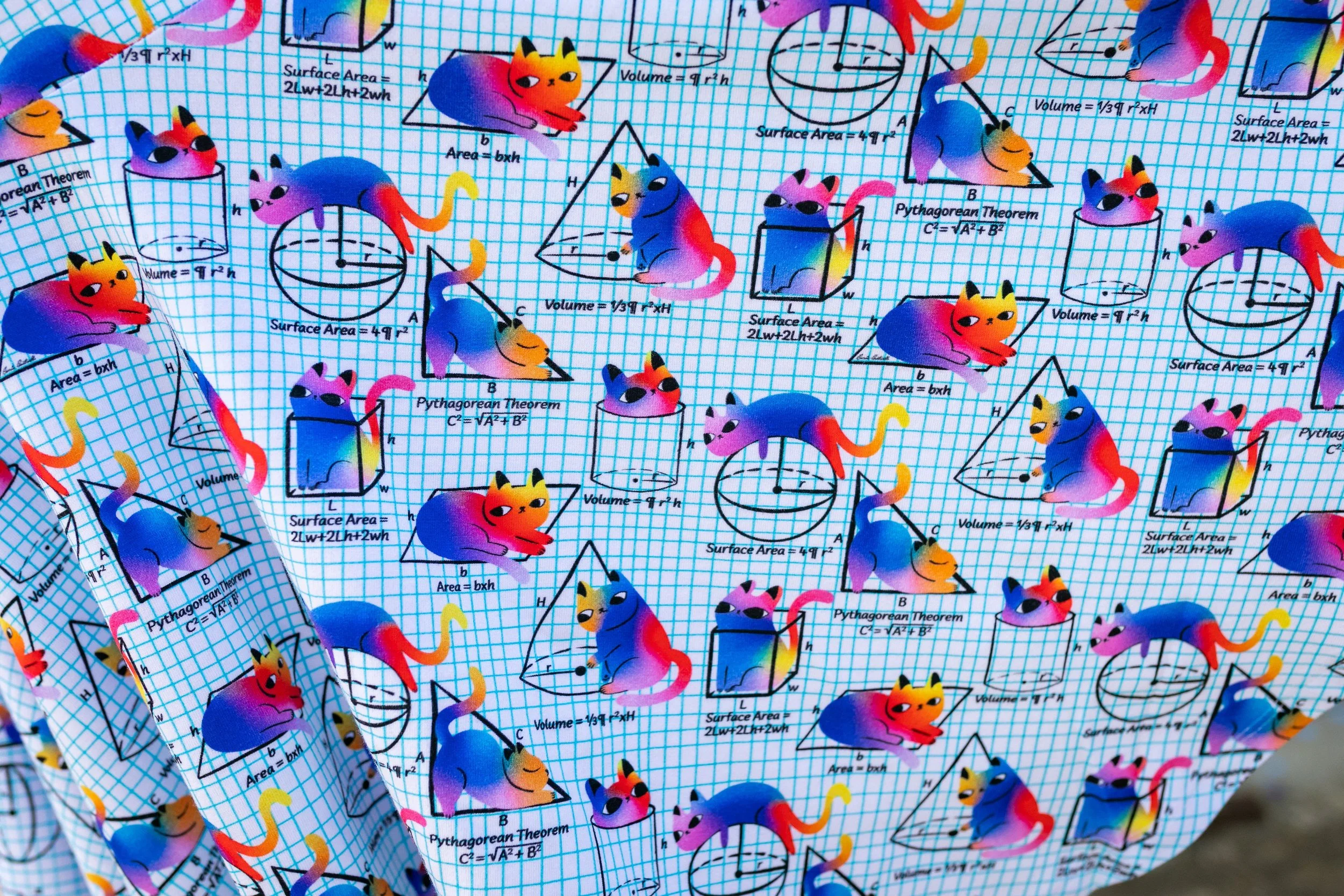
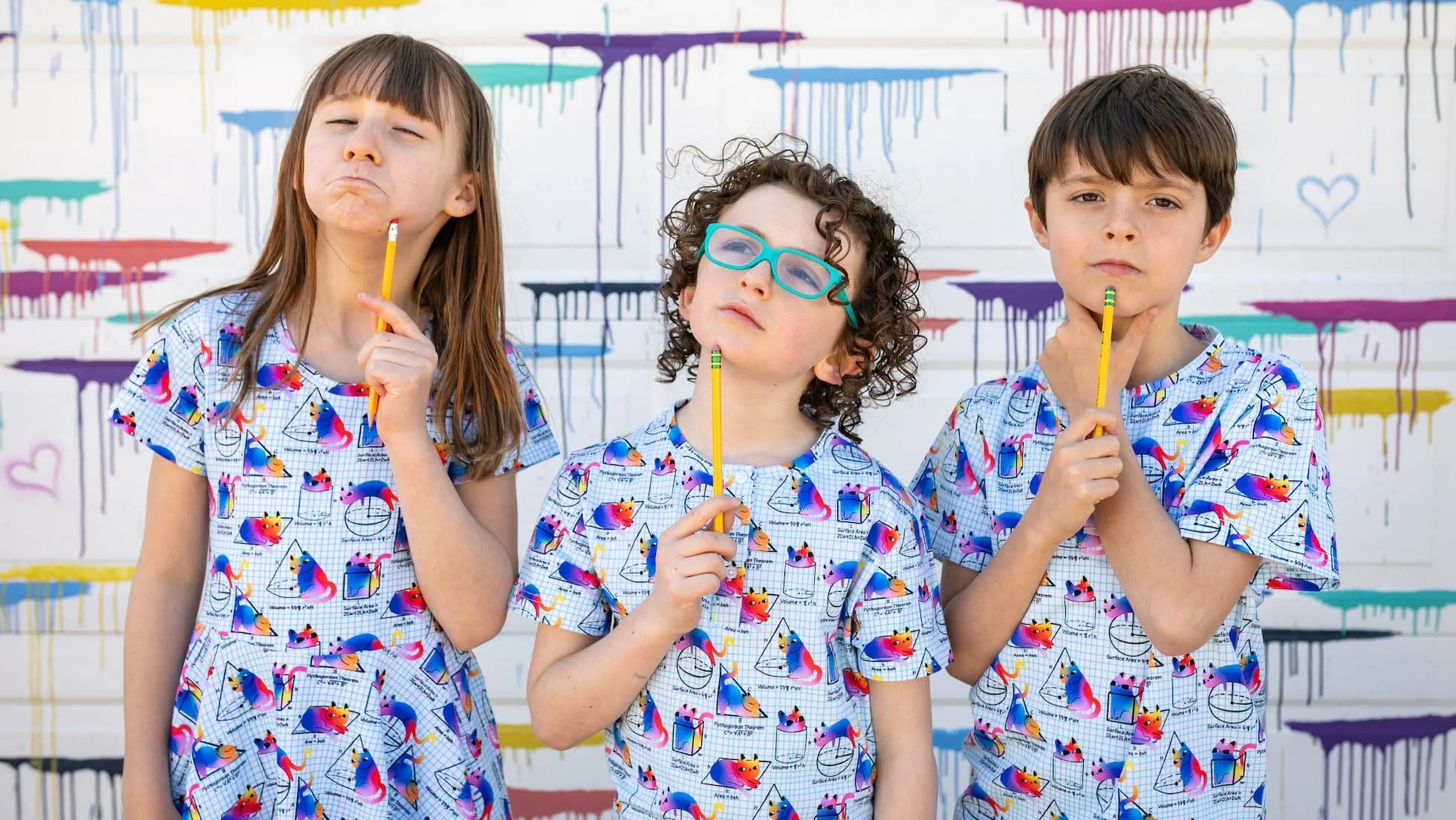
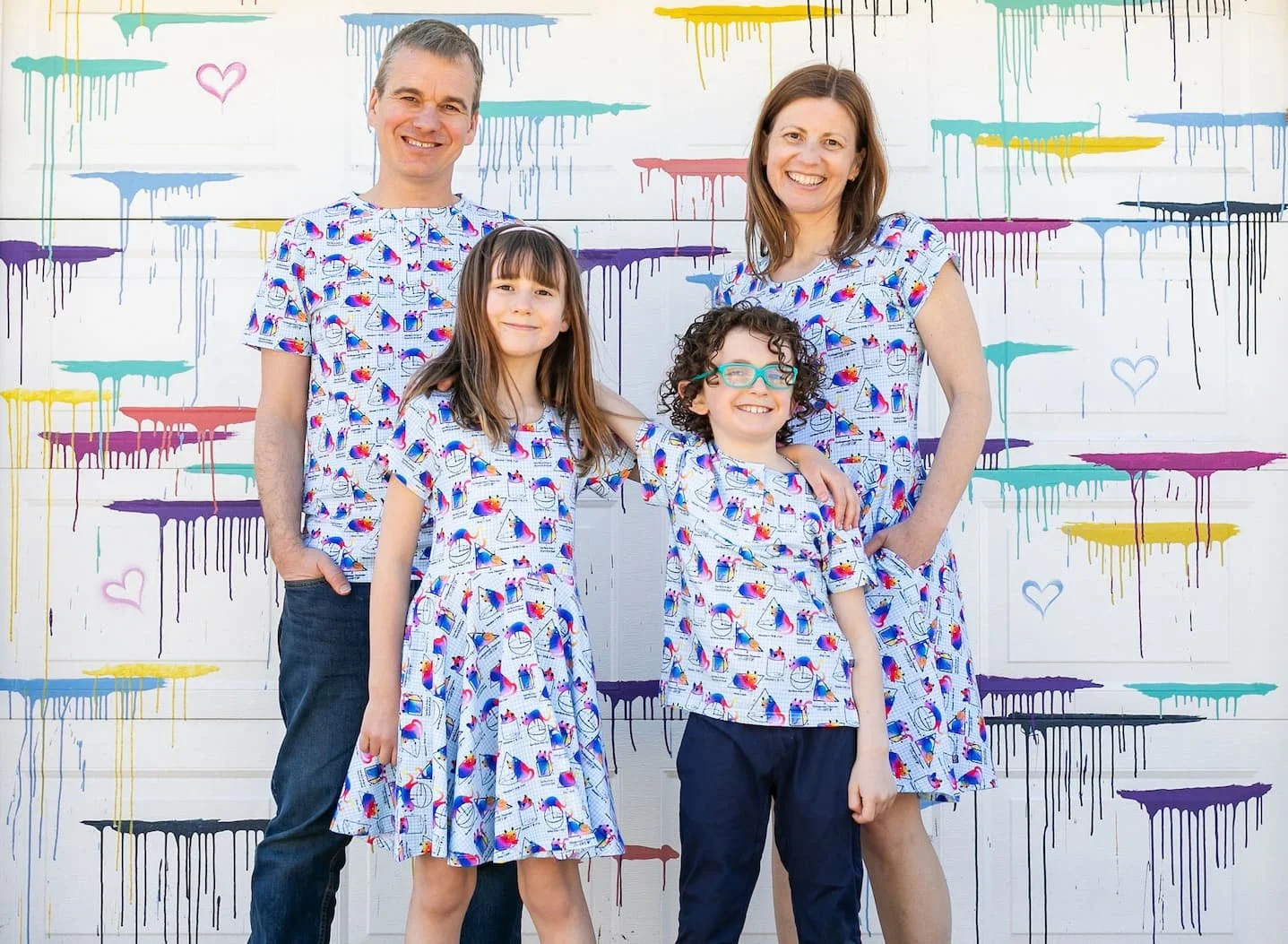
I’m so delighted that my Rainbow Cat Math (Mathcatics) pattern has been licensed on childen’s and adult apparel at the amazing, STEM-focused brand, Princess Awesome!
Create! Magazine Feature
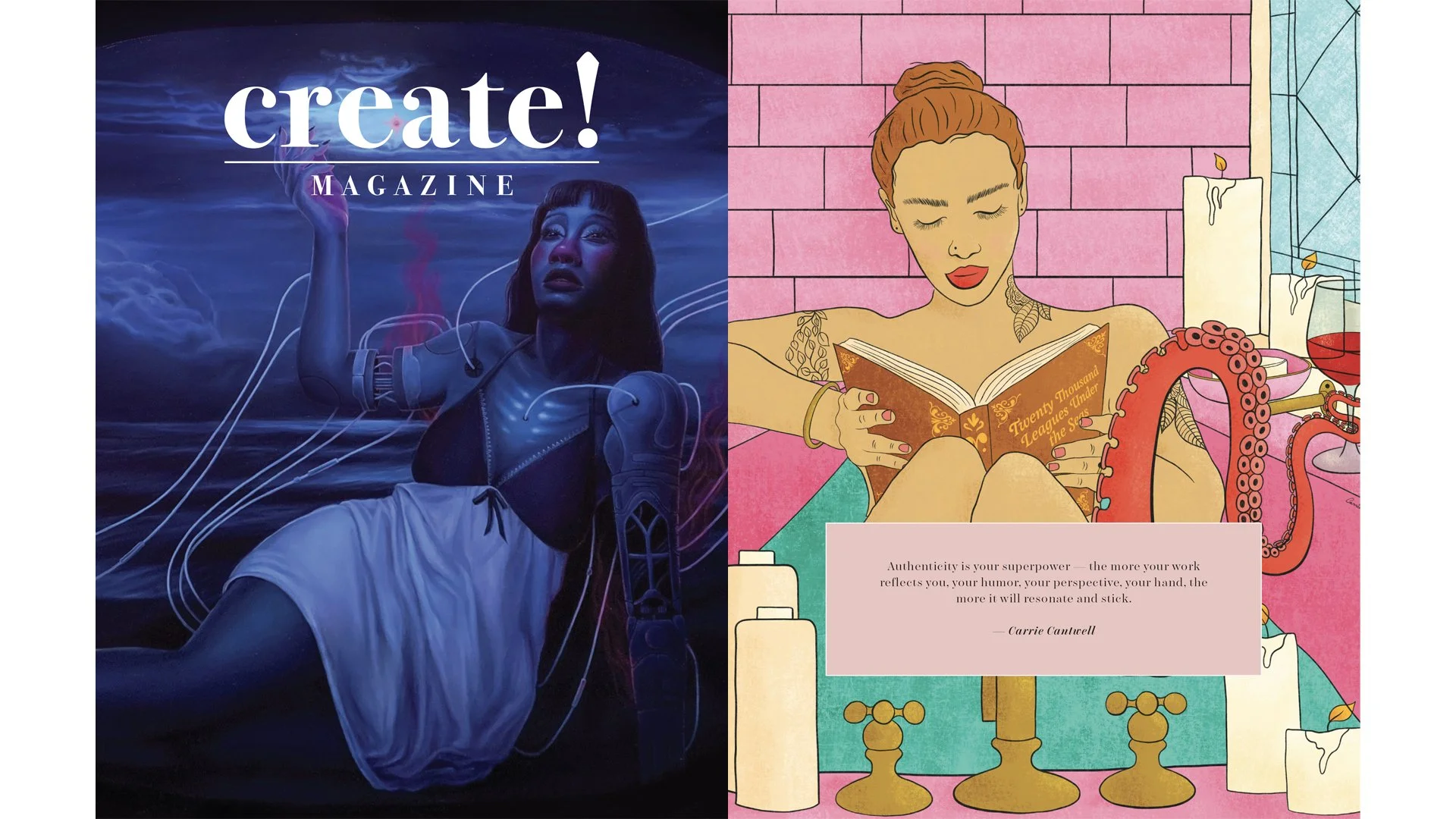
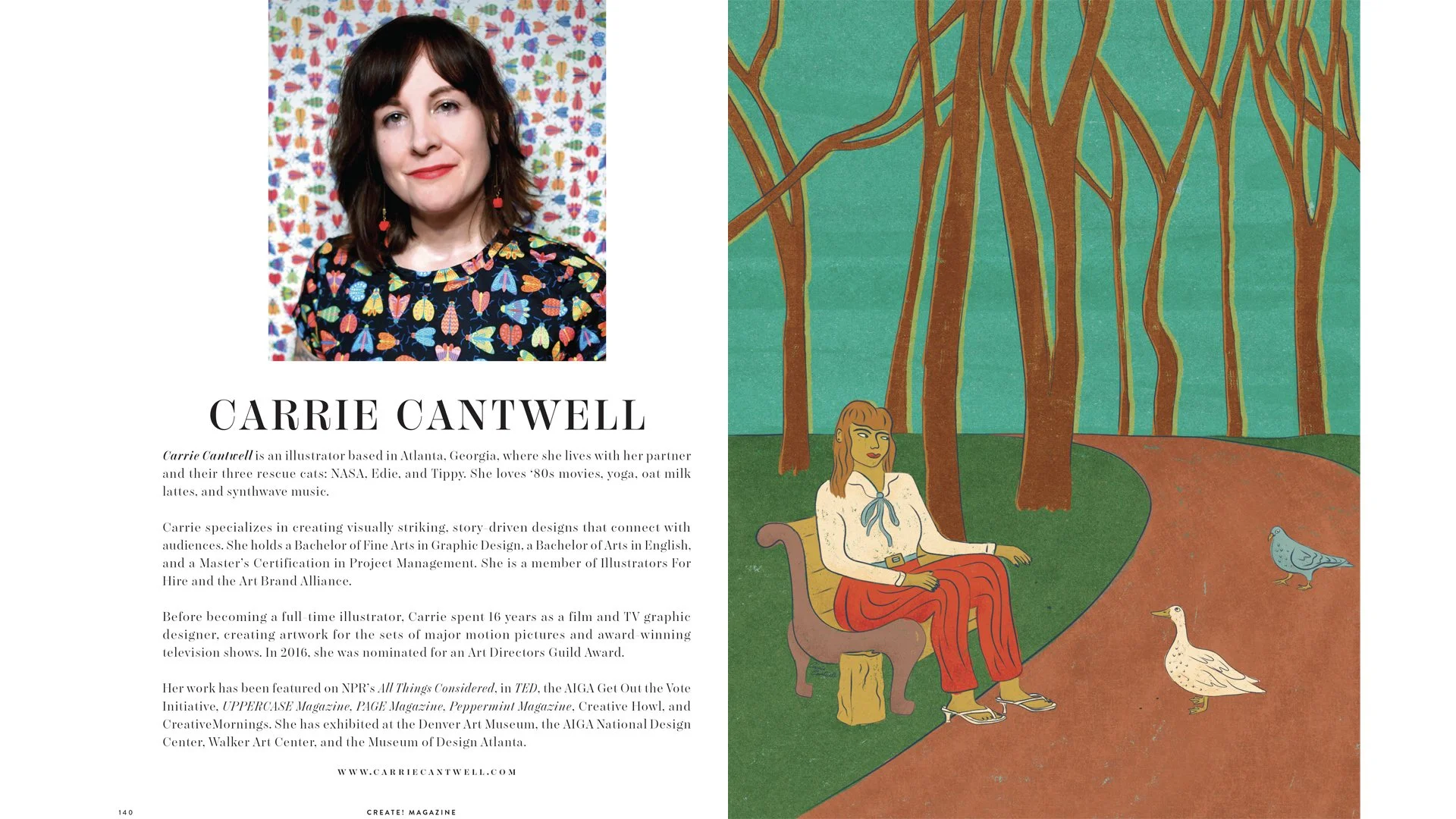
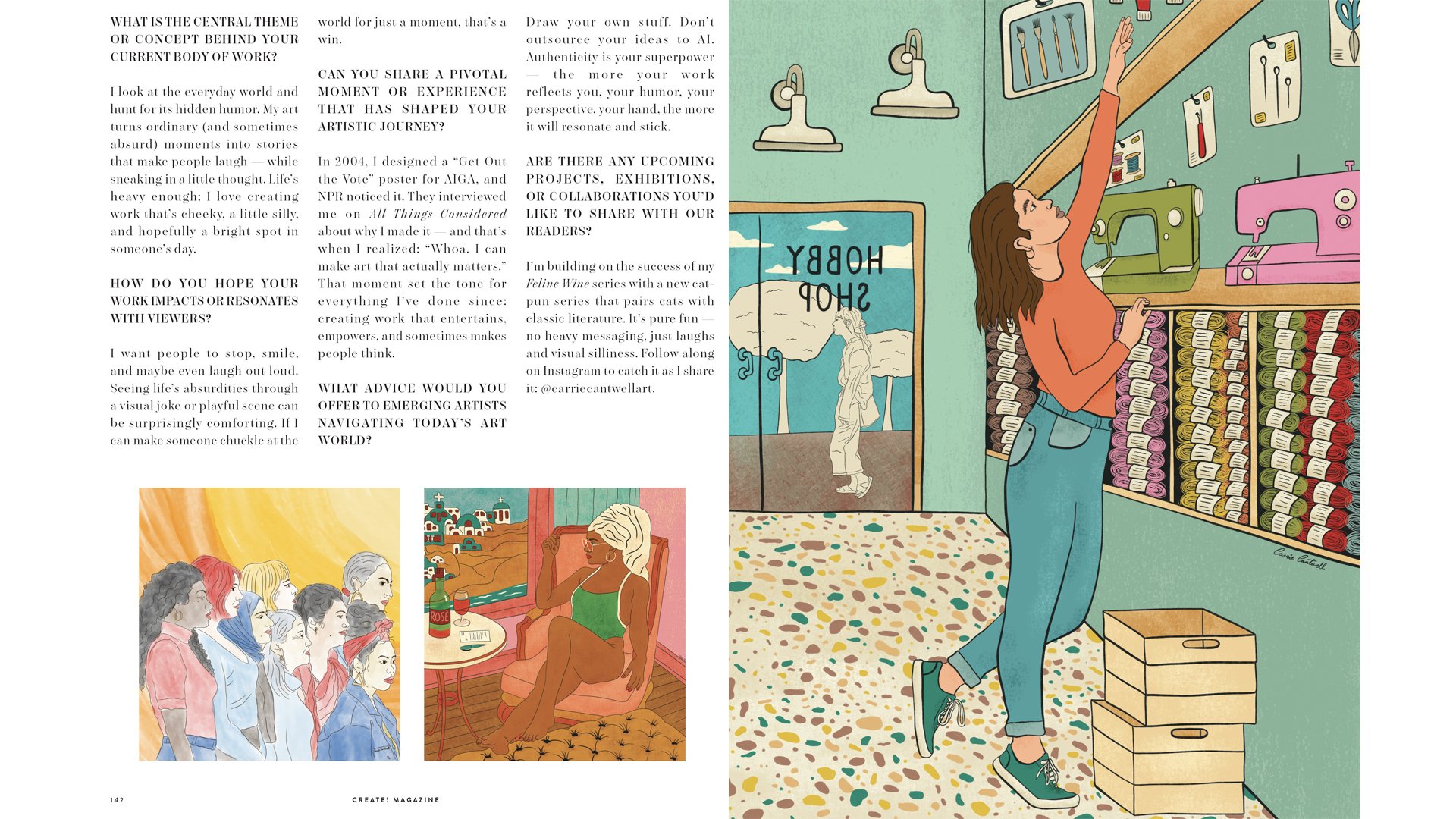
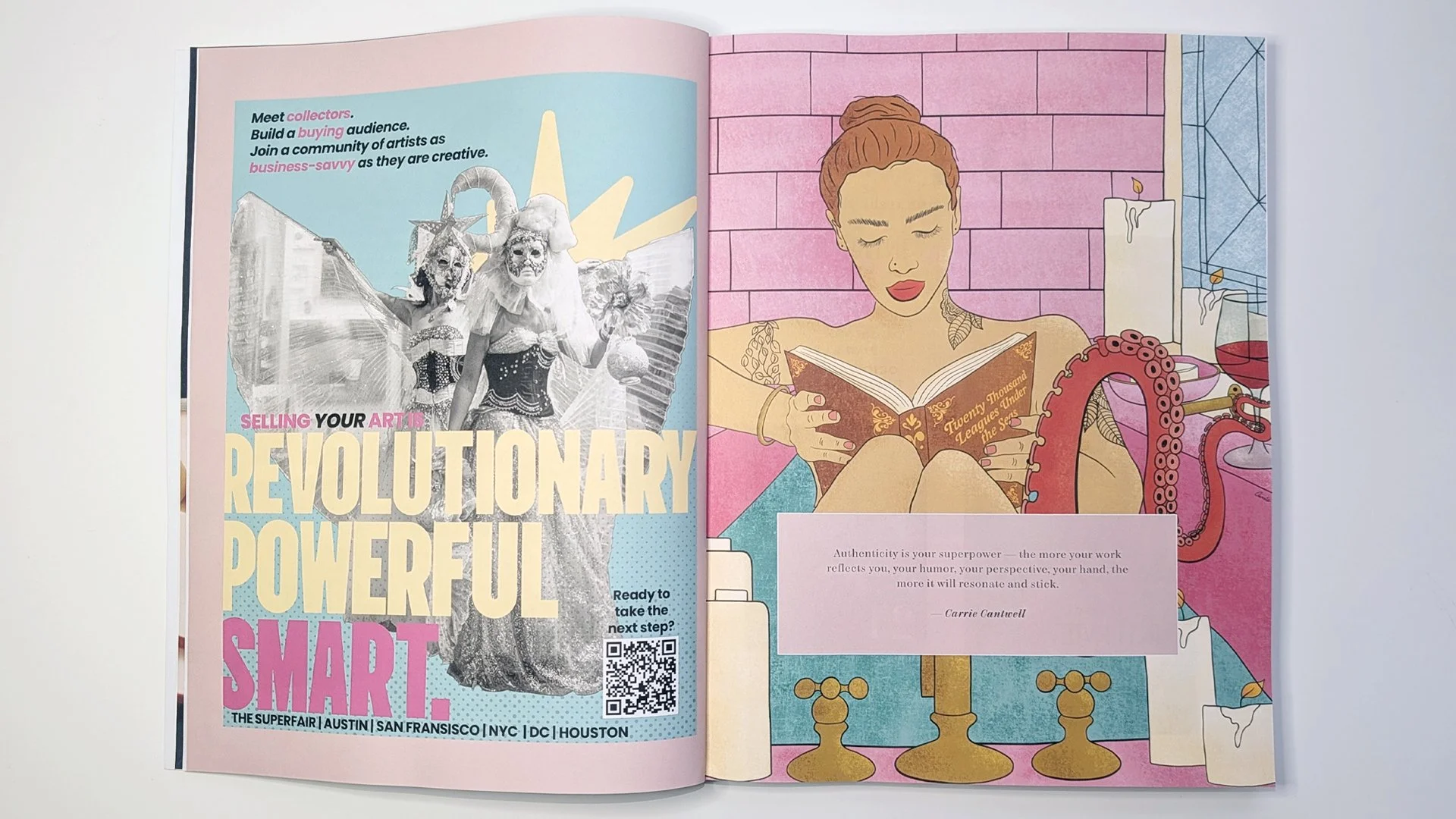
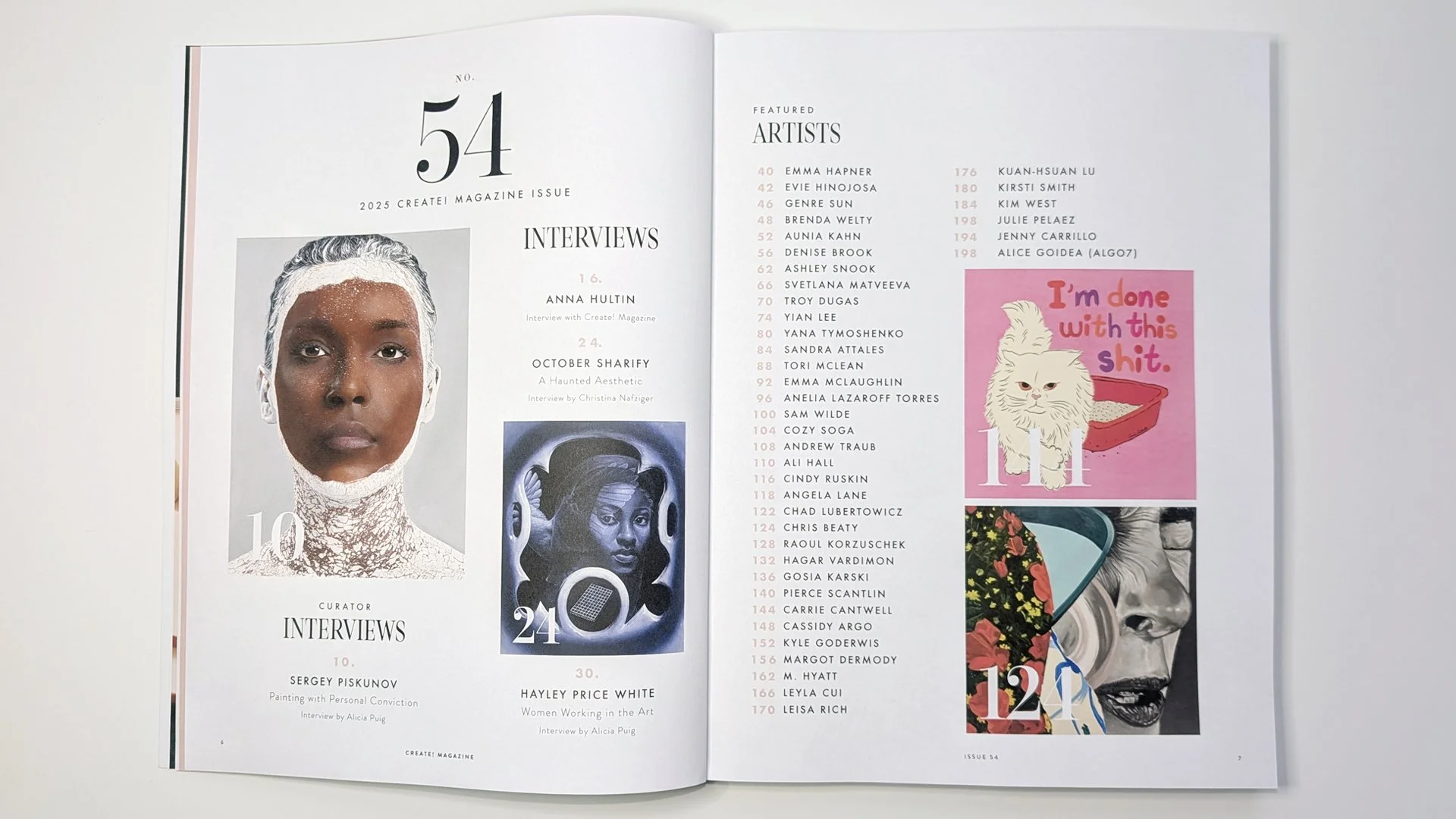
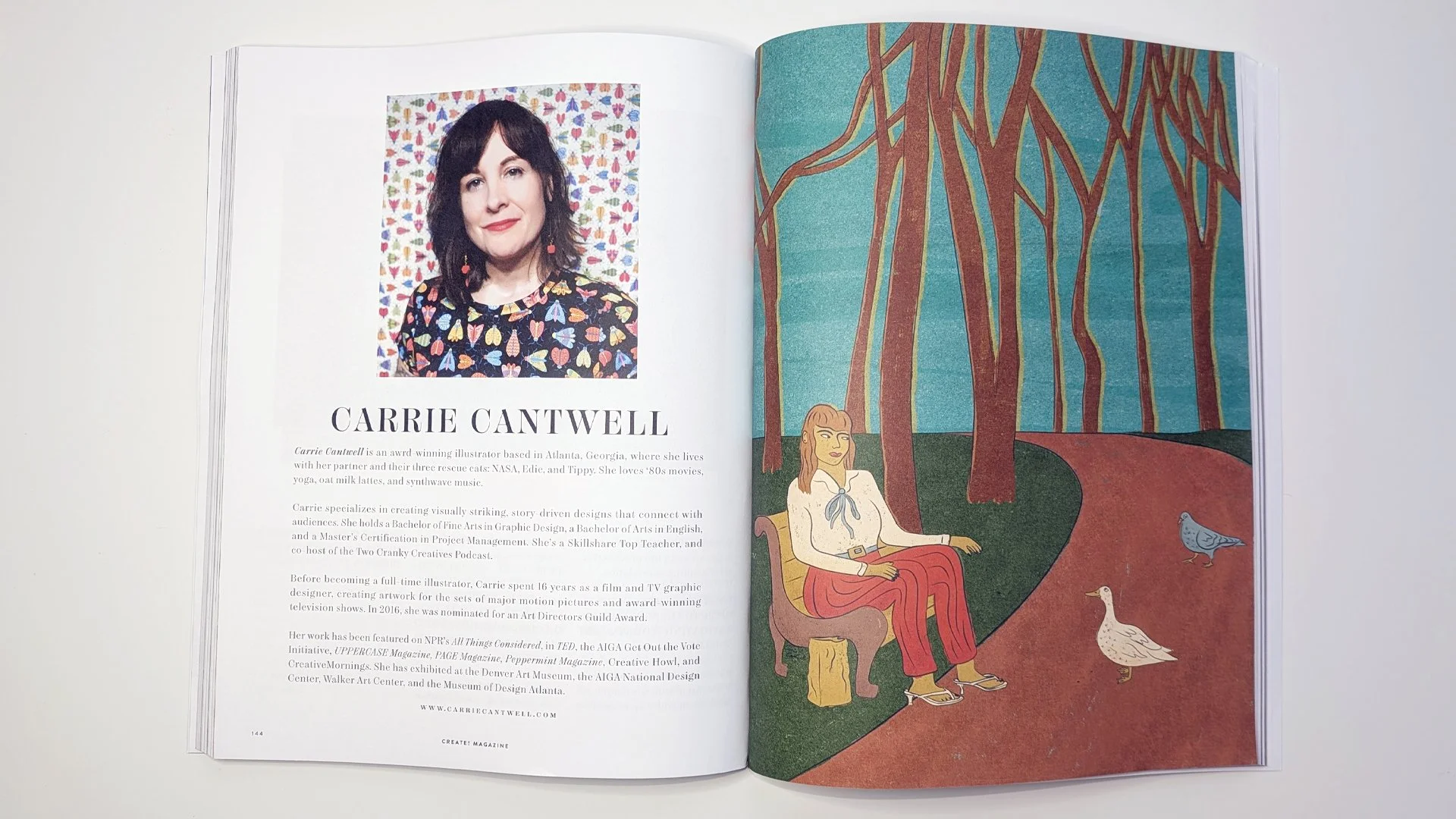
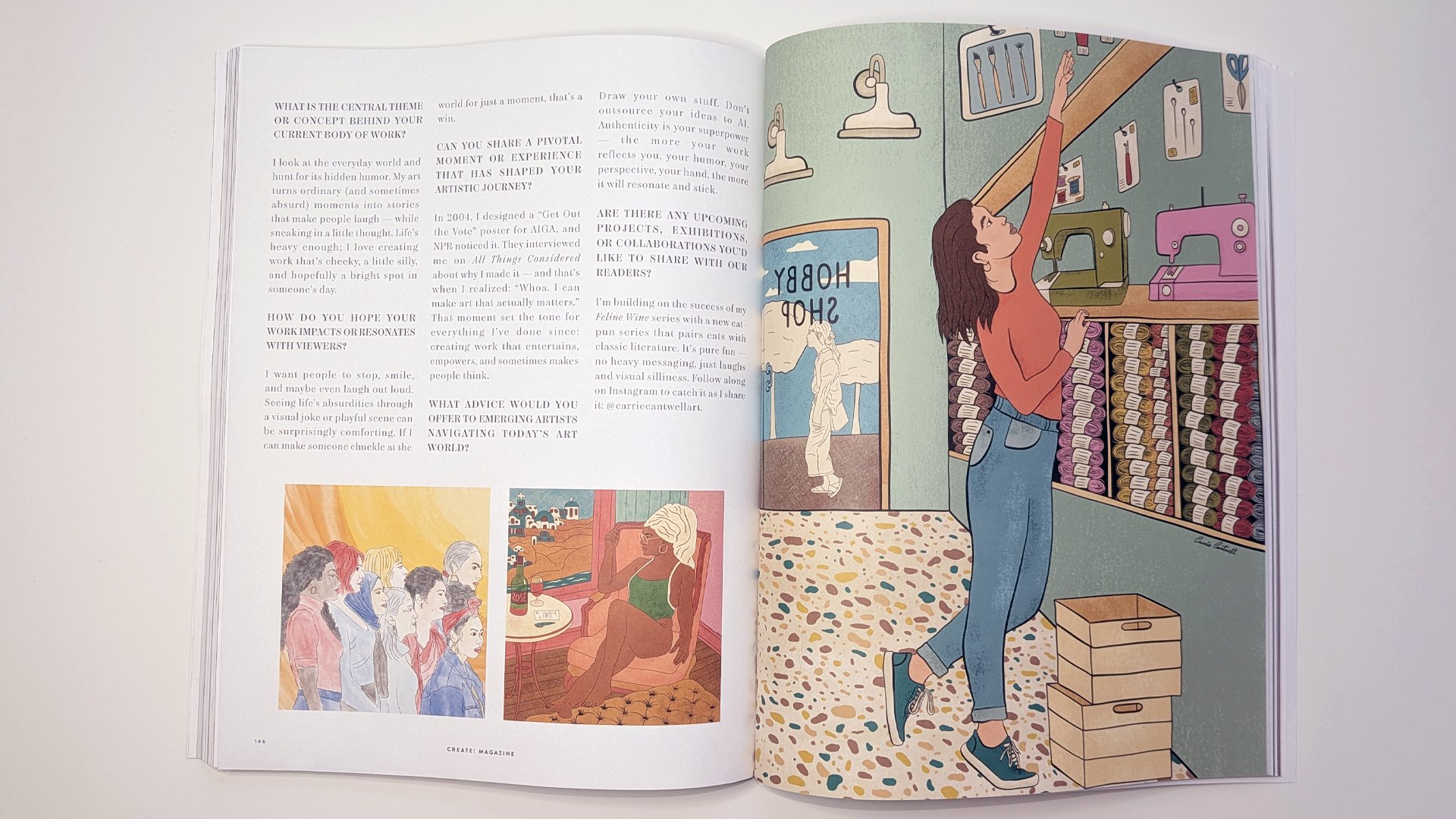
I’m delighted to share that I’ve been featured in the newest issue of Create! Magazine — Issue #54, their special anniversary edition. The issue includes a dedicated spotlight for my illustration “Get Lost,” complete with a pull quote, and my piece “I’m Done With This” is highlighted right in the table of contents. Being included among such talented artists is energizing, and I’m grateful for the opportunity to share my work with a wider creative community.

Fizz the Season: My Holiday Serving Board at World Market!


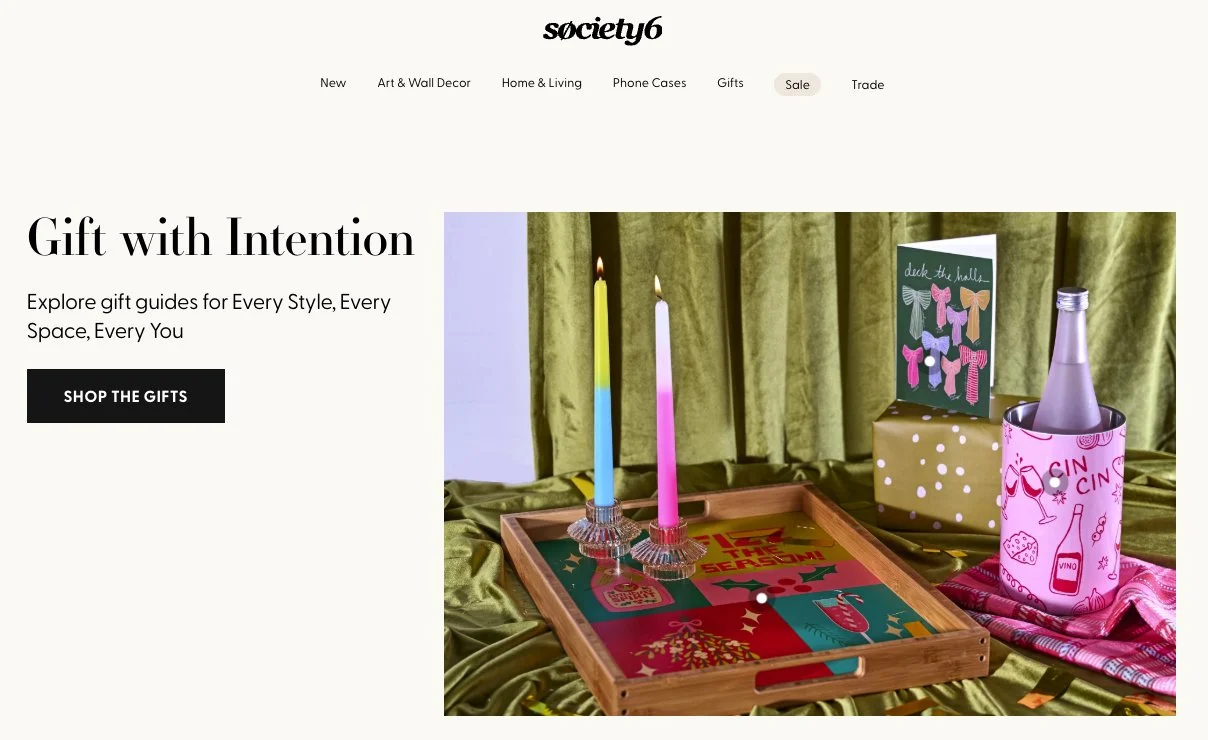
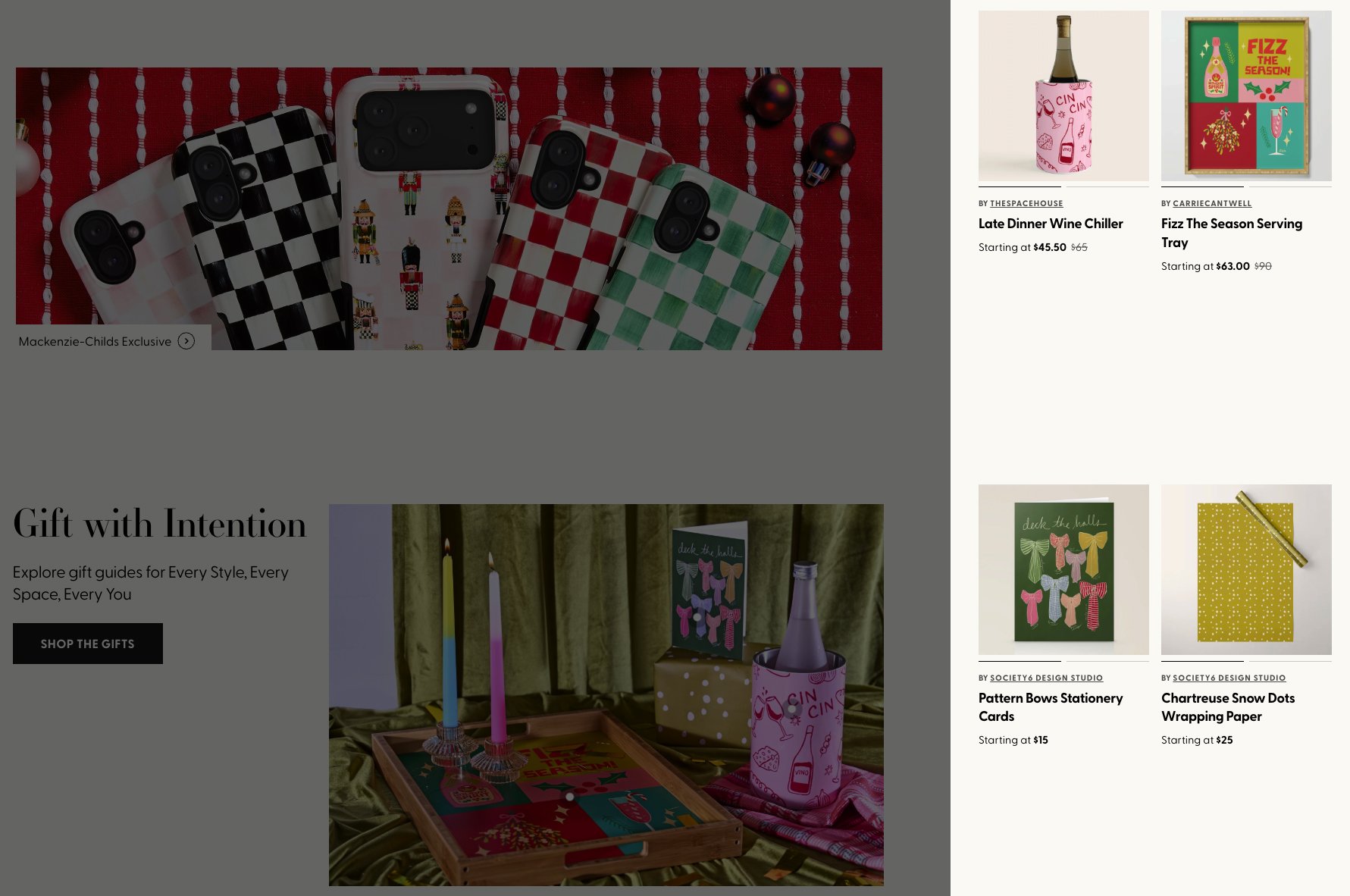
I’m thrilled to share that my Fizz The Season holiday serving board is available at World Market stores! 🥂✨
This cheerful design celebrates all things bubbly and bright and that joyful sparkle that makes the holidays shine.
What makes this extra special for me is that my signature is on every single board, and each one includes an “About the Artist” tag featuring my bio. That means when you pick one up in the store, you’ll know exactly who created it — and that it was designed by an independent artist (hi, that’s me!).
I’m so honored to be featured by Society6, a platform that truly supports and celebrates artists.
If you spot my Fizz The Season serving board at your local World Market, I’d love to see it! Snap a photo and tag me on Instagram — it means the world to see where my art ends up.
Here’s to a sparkling holiday season full of good cheer, good company, and beautiful design. 🥂🎁

How a Big Mistake Led Me to My Dream Job (and Why I Love Teaching on Skillshare)
A single mistake in my Spoonflower shop led me down a path I never expected—one that reignited my love of teaching, built a thriving creative community, and transformed my career. Here’s why teaching on Skillshare has become one of the most rewarding things I’ve ever done.

Hello friends and stellar students! October 2025 marks my 3 year anniversary teaching on Skillshare. In honor of this, I thought I might share a very personal story about why I love teaching on Skillshare.
It all started with a horrible mistake on Spoonflower that cost me hundreds of hours.
Before I ever thought about becoming a Skillshare teacher, I had what I can only describe as a creative nightmare. I’d uploaded hundreds of repeat patterns to my Spoonflower shop when a customer reached out about strange lines showing up in one of my wallpaper designs. At first, I couldn’t see anything wrong—but after some troubleshooting (and a lot of frantic Googling and back-and-forth messages with the kind, patient Spoonflower support team), I discovered the issue: tiny “hairlines” in my pattern tiles that only appeared when tested properly in Photoshop.
That discovery hit me hard. I realized the same issue probably existed in hundreds of my other designs—and I was right. I spent two solid weeks re-testing and fixing nearly 200 patterns, one by one. It was painstaking, exhausting, and humbling. But it taught me two invaluable lessons: always test properly, and never underestimate the power of learning something new.
That whole ordeal became the seed of something bigger. I learned how to create half-drop patterns—a concept that had once intimidated me because it sounded so “math-y”—and I found ways to streamline and automate the process using Adobe Illustrator. I didn’t want other designers to go through what I had. So, in 2022, I did something that scared me even more than fixing 200 patterns: I turned on my camera, hit “record,” and taught my very first class on Skillshare.
Finding My Way Back to Teaching
That wasn’t actually my first time teaching.
Back in the late 1990s, armed with my English degree, I taught grammar and creative writing at a local community college. I was in my twenties, teaching students who were often twice my age—it was intimidating, but I loved the connection. My dream back then was to teach literary theory, but without a PhD, that path wasn’t open to me. So life took me in a different direction: I became a writer, then a graphic and web designer for BellSouth, and eventually, after many creative detours, a film and TV graphic designer—a career I happily held for sixteen years.
But after retiring from that fast-paced industry, I found myself craving something more personal and purpose-driven. When that Spoonflower experience happened, and I realized how many other artists might be making the same mistake I had, something in me reignited. The teacher in me woke up again.
Only this time, I wasn’t standing in front of a classroom—I was sitting in front of a camera.
Three Years, Eleven Classes, and Thousands of Students Later…
When I first signed up to teach on Skillshare, I was nervous but excited. I’d already learned so much from other Skillshare teachers, and the idea of becoming one myself felt like coming full circle.

I had no idea my first class would be such a game changer. That first “half-drop pattern” class turned into something that transformed my career and, to my surprise, impacted thousands of other designers. I still get messages from students thanking me for saving them hours of frustration and helping them finally understand how to make patterns that look professional and seamless.
Now, as I celebrate three years of teaching on Skillshare, I’m launching my 11th class, Put a Bow on It: Draw Cute, Trending Ribbons in Procreate. And honestly? I’ve never felt more fulfilled as an artist and educator.

Why I Love Teaching on Skillshare
It’s approachable because it’s affordable.
You don’t need to pay thousands for one course. Students can join with a free trial, pay a low monthly fee, and access thousands of inspiring, high-quality classes. It’s a creative goldmine.
It’s fun.
I get to dream up my own class ideas, film them however I want, and make them truly mine. Every class is a mini creative adventure.
It’s easier than you’d think. Once I understood basic lighting and sound, all I needed was my phone’s camera and iMovie (which comes free on a Mac). With a little editing and creativity, I’ve got a class ready to share.
It’s meaningful.
Teaching allows me to give back. Knowing that I’m helping others overcome the same struggles I once had fills me with pride and gratitude.
It markets itself. Skillshare provides exposure I could never replicate alone. Thousands of students have found me organically through their platform—no paid ads, no marketing team.
It opens doors.
Art directors and clients have discovered my work through my Skillshare profile. It’s like having an interactive portfolio that markets itself 24/7.
It’s passive income. Once a class launches, it keeps earning. Skillshare has become my most consistent passive income stream—more than any licensing client or print-on-demand platform (except Etsy).
It builds community.
My students have inspired me in countless ways. They’re the reason I co-host Two Cranky Creatives with Toni Federico, and why we started The Graphics Gang—our Patreon community for artists who want to connect, learn, and grow together.
It keeps me learning.
Every time I prepare a new class, I challenge myself to grow. I learn new tools, new techniques, and new ways to explain concepts—teaching keeps me creatively sharp.
It’s empowering.
Teaching has given me confidence I never expected. Turning something that once terrified me (like being on camera) into something that helps others is one of the most rewarding feelings in the world.

A Heartfelt Thank You ❤️
As I look back on three amazing years of teaching on Skillshare, I feel nothing but gratitude—for my students, my supporters, and this incredible creative community that has given me so much purpose. Every message, review, and shared project means the world to me.
If you’ve ever thought about becoming a Skillshare teacher yourself, I can’t encourage you enough to give it a try. It’s a lot of hard work, yes—but the emotional and professional rewards are priceless.
Here’s to many more years of creating, teaching, and inspiring together! Thanks for reading 💛
I Tried StickerMule Give
I’ve used StickerMule for ordering bulk stickers and magnets to sell locally and in my Etsy shop in the past, and I’ve always been super impressed with their quality and competitive prices, plus setup is really easy, and they ship fast.

I recently had the opportunity to try out StickerMule’s new feature for artists: Give. The way it works is you set up a product giveaway (stickers, t-shirts, etc) and then make your giveaway page live. You pre-pay for the prizes and then run the giveaway. The whole process was very easy to set up. I used it as an opportunity to grow my followers on Instagram and get more email subscribers. Not a bad incentive for joining someone’s email list and following them on Insta, right? A free t-shirt? Plus, since it’s my art with my name on it, I also get to share my art with more people, and advertise myself every time someone wears it. Win win!

I used their Create Giveaway feature, chose my product (t-shirts) and I could even choose a t-shirt color. Because my design has a lot of colors, and the cat is black, I ended up selecting a basic white tee (which, by the way, sells better than any other color). I chose a start date for the giveaway and off I went!

I uploaded a high resolution transparent PNG (very important for things like t-shirts, because you can choose your own background color) and it was placed perfectly on a shirt for me. I paid $5 for the proof, and then just a few hours later, got this mockup of what my will look like on a shirt. It needed no retooling or tweaking, it looks great right out of the gate!

In my case, I gave away 5 t-shirts with my bestselling Reach for the Stars design. I’ve never done a product giveaway, so I needed to brainstorm how best to make this work for me. I thought to myself: what do I need? More Instagram followers? More email newsletter subscribers? I decided I wanted both, so I used this giveaway as an incentive for people to join my email list and follow me on Instagram. First, I set up a form in Flodesk that would redirect to the super secret giveaway link once someone fills it out and joins my email newsletter.

One thing I thought was very cool (it’s the little things) was my transparent PNG proof, I was able to use this t-shirt proof image right in my Flodesk signup form, so I could choose any color background I wanted for the form page. I chose the feature in Flodesk to redirect to a URL once someone signs up with the form, that way there would be no frustrating period of waiting or having to check your email once you join my list. I really thought about this from a user perspective, and making this as easy as possible was very important to me. I also made sure to name my form (on the back end in Flodesk) so I can track who joined my newsletter through the giveaway.


Once I’d set everything up, I got this confirmation page that would allow be to share the secret giveaway. This also allows me to see how many people have entered so far and watch the contest grow. I love that people entering the giveaway can choose their t-shirt size (super important) and then enter their mailing address for the contest, so if they win, everything is already chosen and will be mailed to them, I don’t have to do anything on my end! This reminds me of an awesome print-on-demand hands-free passive process, where I just set up the design, prepay for the prizes, and StickerMule handles everything from there.

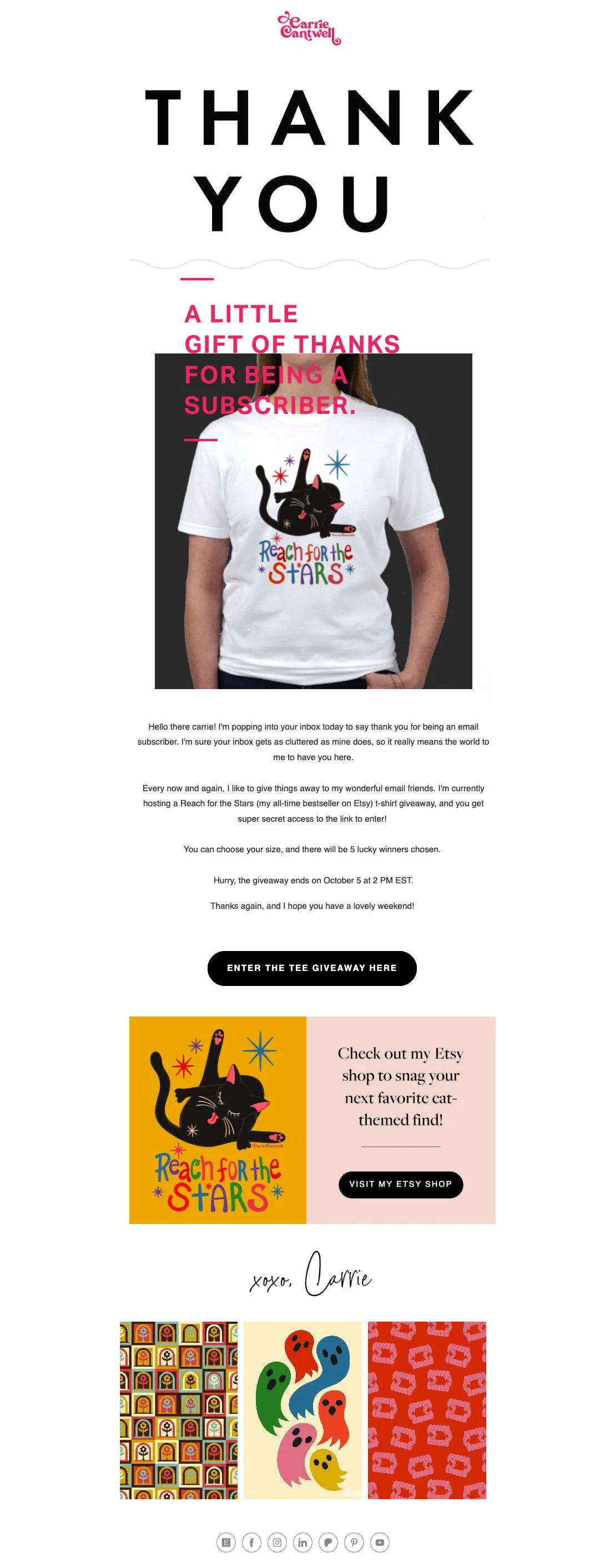
I also wanted to use this as an opportunity to show some love to my existing email subscribers, so I first sent out a thank you email with the link to the giveaway to everyone on my email list. Plus, I snuck a little promo of my Etsy shop into the email, since I sell this design on tons of products in my shop, I even sell tees with this design. The mockup of the woman wearing the t-shirt came straight from StickerMule in my Give assets, which made it a really easy plug-in for my newsletter.
I also wanted to use this to help grow my Instagram followers. I created an Instagram post that incentivized people to follow me and join my email newsletter. First, I added the link to my email form as a link in my bio site. I made it the first link so it was easy for people to find. I just had to remember to take the link down once the giveaway ended.

Then, I created this Instagram post to get everyone excited about joining the giveaway.
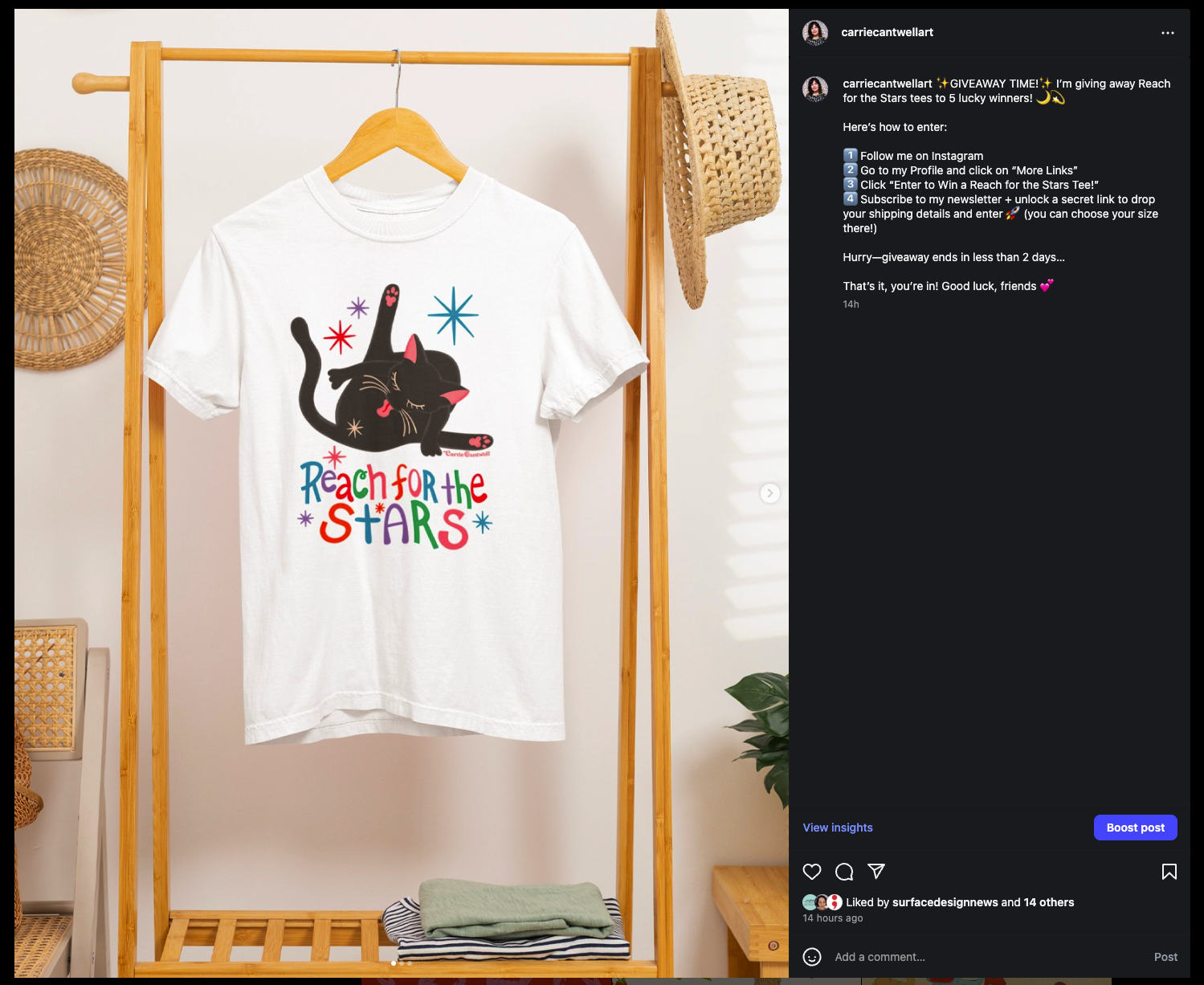

Overall, I absolutely loved how easy it was to set everything up, and my favorite part is I just did the initial setup, created the tee with a quick upload, dropped the prepayment, and then StickerMule did the rest for me. They handled running the contest, choosing the winners and fulfilling the “orders.” I ended up gaining a bunch of Instagram followers and email subscribers, I got my art out there in the wild, and I helped strengthen my brand. Honestly I don’t see why I wouldn’t do this again. I love knowing that when the giveaway winners receive their t-shirts, they’ll be delighted with the quality of the tees, and my art will be printed beautifully, because StickerMule always creates absolutely top-notch products.

I even got an update when the giveaway ended, both via email and on the web page.

My overall impression: StickerMule Give was fun, easy and totally worth doing! As an artist, it was a win-win for me and my followers. I got my art out there on t-shirts, welcomed some new people to my community, and some lucky folks got free t-shirts. I highly recommend trying it out!
SwissTV Spot - Animated Illustrations
Thrilled to finally share this! After months under wraps, the animated project I worked on with my agency is LIVE! It's a public service spot for SwissTV, and I'm so proud to have contributed.
My Art in Urban Outfitters!


I’m simply over the moon! My art made it into Urban Outfitters.
Check out my cute cat portraits pattern now available on shower curtains.

Exciting New Collab With OXKNIT Clothing!
I’m overjoyed to be collaborating on apparel with OXKNIT Clothing! I’ve received samples of my Blue Birdie, Psychedelic Eye and Orange Zoo sweaters and I’m so happy with the high quality knitting and vibrant colors. Oh - and their sweaters are 100% cotton! I wore the orange and pink one on a warm day and it was soft, comfortable and breathable. I had my partner model the men's version, which I think looks stunning on him ❤ Which one is your favorite?


I’m so excited to announce my collab with My Cat Collar Closet!


MyCatCollarCloset is an Etsy shop based in Sherwood Park, Canada, specializing in handmade cat accessories, including breakaway collars, bows, kicker toys and bandanas. For kitty parents seeking stylish and comfortable accessories, MyCatCollarCloset offers a variety of thoughtfully designed options that are expertly crafted for quality. Each collar is crafted from lightweight cotton, ensuring comfort for your cat. The collars feature adjustable breakaway buckles for safety, fitting neck sizes from 8 to 12 inches. They come with removable bells and O-rings for attaching tags. Customers have praised the shop's products and service, with one reviewer noting, "My kitty Hollywood and I both love this. They sent a nice note and a catnip toy too! I will definitely be shopping with you again."
Some of the unique designs available include:
Hot Air Balloons Cat Bandana With Breakaway Collar
Breakfast Breakaway Cat Collar
Cherry Blossom Cats Bow Tie Breakaway Collar
Feline Wine Catnip & Silvervine Kicker Toy