Art Licensing: How It Works, Pricing, Contracts, and How to Get Clients

Art Licensing: Quick Answers
For a full breakdown of art licensing, pricing, and how to get clients, watch the full training below.
-
Art licensing is when an artist gives a company permission to use their artwork on products in exchange for payment, while the artist keeps ownership of the work. This allows artists to earn income from the same piece of art multiple times instead of selling it once.
-
Artists license their art by creating a portfolio, researching companies that align with their style, and pitching their work directly to brands or through licensing agents. Successful licensing often involves follow-up emails, strong presentation, and clear understanding of contracts.
-
Art licensing income varies depending on the deal. Artists may earn:
Flat fees ranging from $50 to $50,000+
Royalties between 3% and 15% of product sales
Higher earnings typically come from larger companies, exclusive agreements, or high-volume product sales.
-
Many types of artwork can be licensed, including:
Illustrations and digital art
Surface pattern designs
Photography
Fine art and paintings
If artwork can be reproduced on a product, it can usually be licensed.
-
No, artists do not need an agent to start licensing their work. Many artists secure licensing deals independently by pitching directly to companies. Agents can help with negotiations and connections but are not required to get started.
-
An art licensing contract should include:
Usage rights (how the art will be used)
Duration (how long the agreement lasts)
Exclusivity (whether others can license the same work)
Payment terms (flat fee or royalties)
Territory (where the work will be sold)
Clear contracts help protect both the artist’s income and ownership rights.
What Is Art Licensing? (And How Artists Actually Make Money)
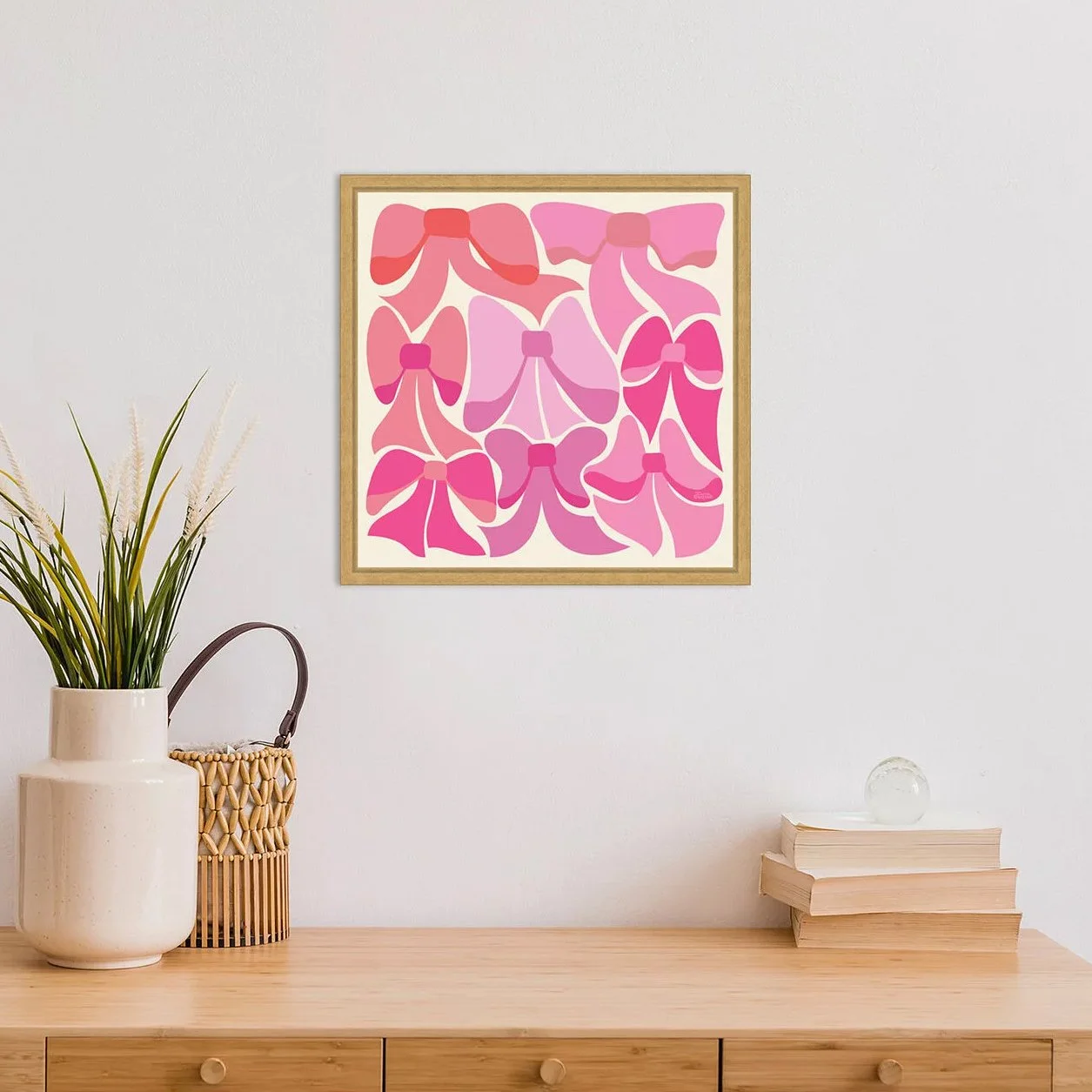
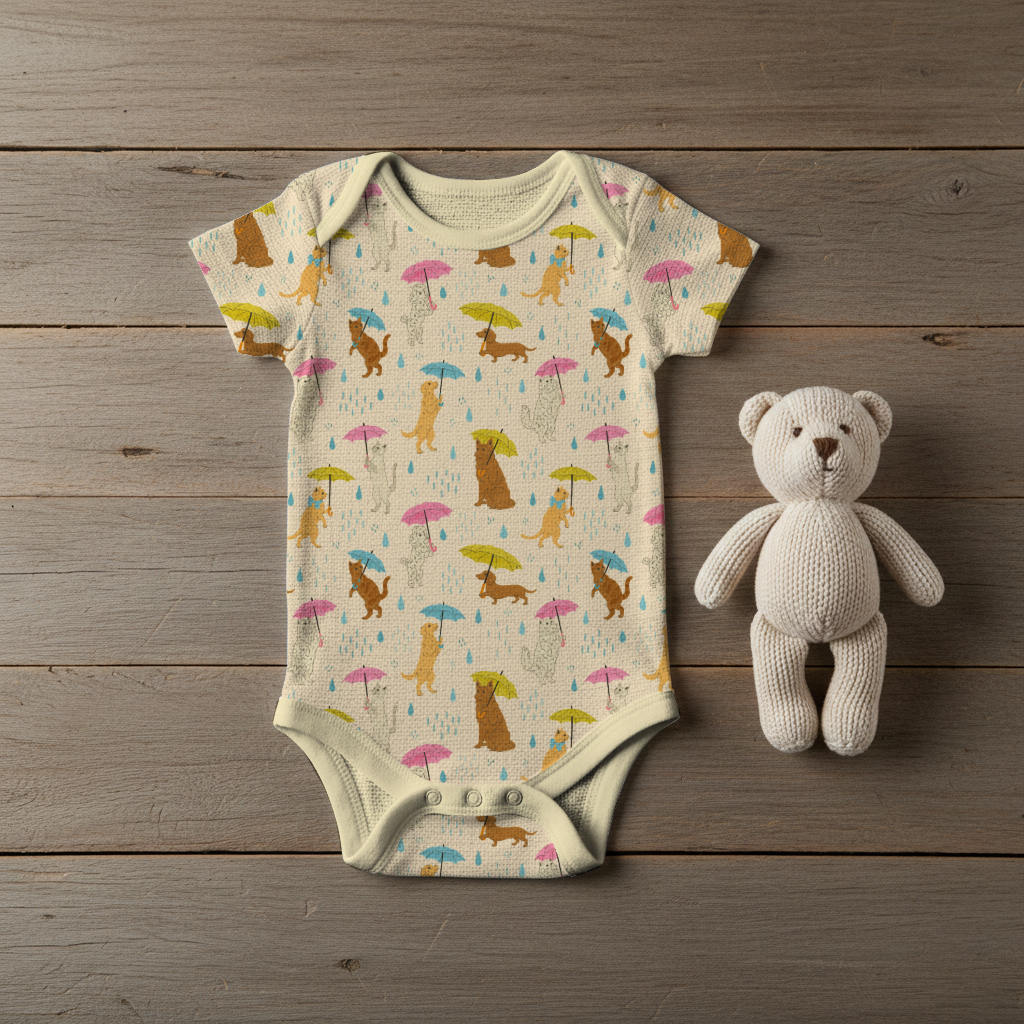
Art licensing is one of those things that can completely change how you think about your work as an artist. Instead of selling a piece once and moving on, you’re essentially renting out your art to companies who want to use it on their products. That means your artwork can show up on everything from bedding to notebooks to clothing—while you still own it. When artists search “how to license my art,” this is the core idea they’re looking for: you create the work once, and it has the potential to generate income over and over again through licensing deals.
Art licensing is one of the most powerful ways to turn your artwork into scalable income.
At its core, art licensing means granting permission for a company to use your artwork on their products in exchange for payment—while you still retain ownership.
Instead of selling one piece once, licensing allows your art to live on:
Home decor
Apparel
Stationery
Packaging
Books
And more
This is how artists build long-term, repeatable income streams.
Watch the Full Art Licensing Training
If you’re the kind of person who likes to see real examples and hear how this works in practice, I walk through all of it in detail in my full training. This isn’t just theory—it’s based on how I’ve personally landed licensing deals with major retailers and built my career without an agent. If you’ve been Googling or asking AI tools how to get art licensing clients or how to price licensing deals, this video connects all the dots in a way that’s hard to get from scattered information online.
If you want the full breakdown—including real pricing, contract tips, and pitching strategies—watch my free 47-minute presentation below:
Types of Art That Can Be Licensed
One of the biggest misconceptions I see is artists assuming their work “doesn’t fit” licensing. In reality, companies are licensing all kinds of styles and mediums. Whether you’re creating playful illustrations, detailed patterns, fine art, or even photography, there are brands out there actively looking for artwork like yours. When people search “what kind of art can be licensed,” the answer is usually broader than they expect. If your work can be reproduced on a product, there’s a strong chance it can be licensed—you just need to connect it with the right market.
Licensable art includes:
Illustrations and digital art
Surface pattern designs
Photography
Fine art and paintings
If your work can be reproduced, it can likely be licensed.
Art Licensing Pricing: What Artists Actually Get Paid
Pricing is where things start to feel real, and also where a lot of artists feel unsure. The truth is, art licensing pricing isn’t one-size-fits-all—it depends on how the artwork is being used, how widely it’s distributed, and whether the agreement is exclusive. Some deals pay a flat fee upfront, while others include royalties, which means you earn a percentage of every sale. If you’ve ever searched “how much do artists make from licensing,” the ranges can feel all over the place—but once you understand the structure behind pricing, it becomes much easier to evaluate what’s fair and advocate for your work.
Pricing in art licensing varies widely depending on usage, scale, and exclusivity.
Flat Fee Licensing
One-time payment
$50 to $50,000+ depending on project scope
Royalty-Based Licensing
Ongoing percentage of sales
Typically ranges from 3% to 15%
Example Industry Rates
Wall art: 5% to 15%
Textiles: 2% to 5%
Stationery: 4% to 8%
Apparel: 3% to 10%
Understanding these ranges helps you avoid underpricing your work.
Art Licensing Contracts: What to Look For
Contracts might not be the most exciting part of licensing, but they’re absolutely where your power is. A good licensing agreement clearly defines how your artwork will be used, for how long, and how you’ll be paid. This is also where you protect your rights as an artist. When people look up “art licensing contract tips” or “what to watch out for in licensing agreements,” it usually comes down to a few key things: avoiding vague or unlimited usage rights, making sure there’s a clear end date, and ensuring you’re being compensated fairly. Understanding these basics can save you from deals that look good on the surface but don’t actually support your long-term growth.
A strong contract protects both your income and your rights.
Key elements include:
Usage rights
Exclusivity
Duration
Payment structure
Territory
Red flags to avoid:
Perpetual rights (no end date)
Work-for-hire clauses
No royalty reporting
Below-market rates

How to Get Art Licensing Deals
This is the part everyone wants to know: how do you actually get companies to say yes? Getting art licensing deals is less about luck and more about strategy and consistency. It starts with researching brands that already align with your style, then reaching out with a thoughtful, professional pitch. And just as important—following up. Most artists stop too soon, but in reality, many licensing opportunities come after multiple points of contact. If you’ve been searching “how to pitch art licensing” or “how to find licensing clients,” this is where persistence and clarity really start to pay off.
Landing deals isn’t about luck—it’s about strategy.
1. Research the Right Brands
Look for companies that already use artwork similar to yours.
2. Create a Strong Pitch
Keep it concise, personalized, and visually compelling.
3. Follow Up (This Is Where Most Artists Miss Opportunities)
Most deals happen after multiple touchpoints—not the first email.
Do You Need an Art Licensing Agent?
A lot of artists wonder if they need an agent before they can even begin, and the answer is no—you can absolutely start licensing your work on your own. Agents can be incredibly helpful when it comes to negotiating deals and opening doors, but they’re not the only path. In fact, many artists build their portfolios and land their first licensing clients independently before ever signing with an agent. If you’ve been asking “do I need an art licensing agent,” it’s helpful to think of an agent as a potential next step—not a requirement to get started.
Agents can help with:
Negotiating contracts
Finding opportunities
Managing relationships
But they are not required to begin licensing your work. I don’t have an agent, and I’ve landed every single one of my art licensing deals on my own.
Want Help Building Your Own Art Licensing Career?
If you’re reading this and thinking, “okay, I get it—but I’d love guidance tailored to my work,” that’s exactly why I offer coaching. There’s a big difference between understanding art licensing in general and knowing how to position your portfolio, your style, and your goals in a way that attracts the right clients. When artists search for “art licensing coaching” or “how to get started licensing my art step-by-step,” what they’re really looking for is clarity and direction—and that’s what I help you build.
If you’re ready to go beyond learning and start landing real deals, I offer 1-on-1 coaching for artists.
I’ll help you:
Refine your portfolio
Identify the right clients
Pitch strategically
Navigate contracts and pricing

Final Thoughts
Art licensing isn’t just another income stream—it’s a way to expand your reach as an artist without constantly starting from scratch. Once you understand how licensing works, how to price your work, and how to approach companies, it becomes something you can build on over time. If you’ve been exploring how to license your art or wondering if it’s the right path for you, this is your sign to take it seriously. The opportunities are out there—and with the right approach, they’re more accessible than they might seem.
Art licensing allows you to earn income while maintaining ownership of your work.
With the right knowledge and strategy, it can become a powerful and sustainable part of your art business.