What To Do If Your Art Is Stolen by AI, SHEIN, Temu, or Other Online Sellers
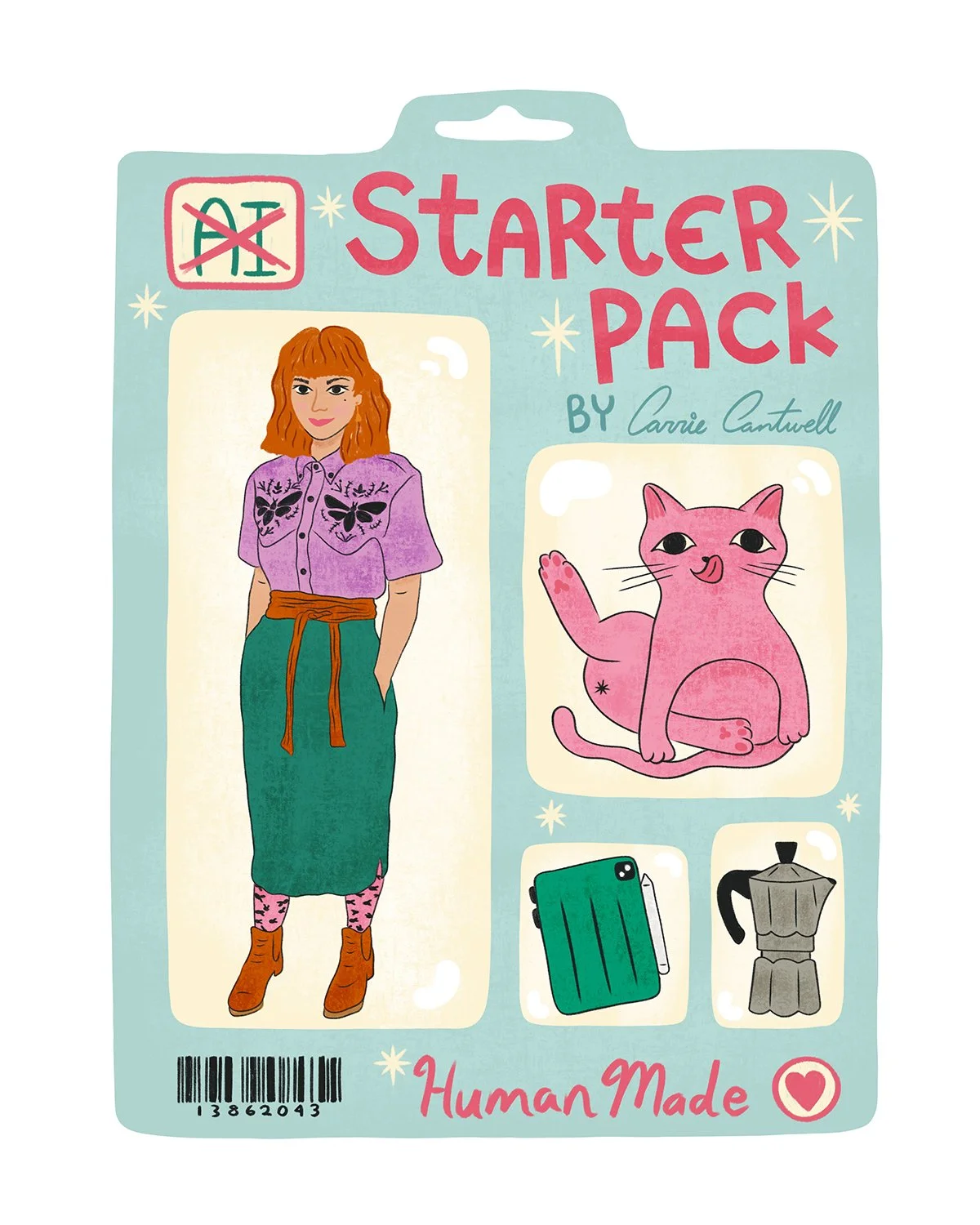
A hard truth about being a working artist? Sometimes the biggest companies profit from your work without permission.
Lately, I’ve been dealing with multiple cases of my artwork being stolen and sold on fast fashion and overseas marketplace sites like SHEIN and Temu. I’ve filed DMCA takedowns. Sometimes listings disappear. Sometimes they pop right back up under another seller a few days later like a particularly stubborn game of copyright whack-a-mole.
And while this is incredibly frustrating as an artist, I want to turn this into an important teaching moment for other creative business owners, because this is something many artists don’t fully understand until it happens to them:
Art theft is unfortunately common once your work starts getting visibility online.
That does not mean you should stop sharing your work.
It does not mean your art has no value.
And it definitely does not mean you’ve failed.
In fact, many artists discover their work is being copied because they’ve built something commercially valuable.
The Hidden Cost of Fighting Art Theft
Here’s the part people rarely talk about:
Fighting infringement costs artists time, energy, and money.
Every hour spent documenting stolen products, filing takedowns, researching copyright procedures, and following up with marketplaces is time not spent:
creating new work
licensing art
growing your audience
teaching
marketing
fulfilling orders
building long-term income streams
And that hidden cost matters.
Art theft doesn’t only steal designs. It steals artists’ time, focus, momentum, and income too.
Watch My Instagram Reels About SHEIN and Temu Art Theft
I’ve been sharing more openly on social media about what this experience has looked like behind the scenes as an artist. These videos explain why copyright enforcement becomes so difficult with some overseas marketplaces and why so many independent artists are struggling with this issue right now.
What To Do If Your Artwork Is Stolen Online
Watching your artwork get stolen online feels surreal the first time it happens.
One day you’re creating illustrations, surface patterns, paintings, or products for your business. The next day, you discover your work printed on products you never approved, sold by companies you’ve never heard of, or scraped into AI systems without your permission.
If you’re searching for:
what to do if someone steals your art
how to report stolen artwork online
what to do if AI copies your art
how to file a DMCA takedown
how artists can protect their work online
…you are definitely not alone.
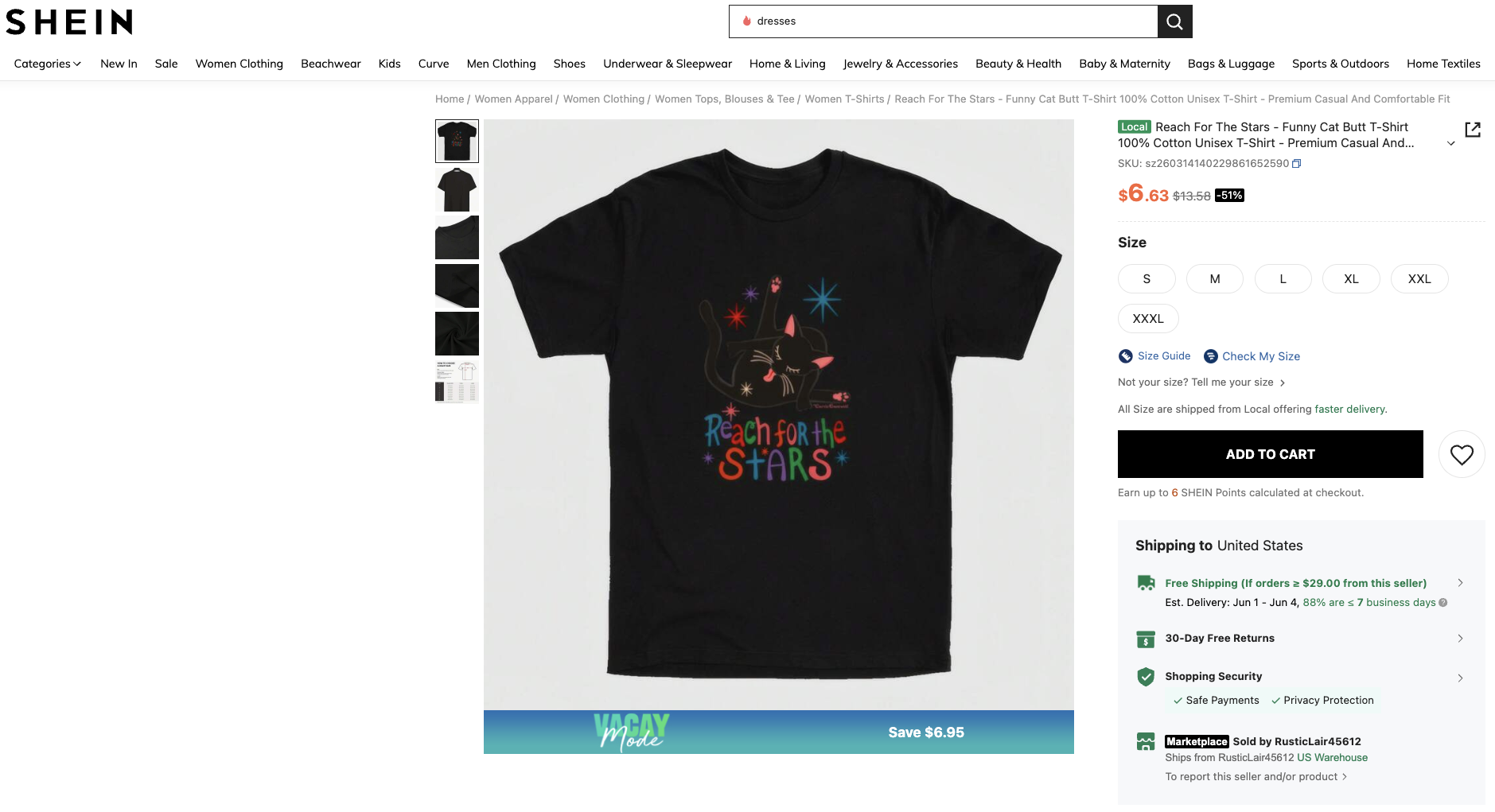
My Reach for the Stars art on SHEIN. I’ve filed multiple DMCA notices against SHEIN for stolen artwork. They ignore them. Copyright laws become nearly impossible to enforce when companies operate in China, and independent artists are left spending time, energy, and money trying to fight businesses that simply do not care about intellectual property, artist rights, or creative ownership.
So I’m doing the only thing I can do right now: publicly showing the stolen designs, talking about it openly, and warning other artists and consumers.
First: Document Everything
Before reacting emotionally or contacting sellers, gather evidence carefully.
Screenshot:
product listings
seller names
URLs
ads using your artwork
social media posts
customer reviews
product photos
Save webpages as PDFs if possible.
Some infringing sellers remove listings temporarily after being reported, so documentation is important.
File DMCA Takedown Notices
If your artwork appears on websites or marketplaces, you may be able to file a DMCA takedown notice.
Common places artists report copyright infringement:
Etsy
Amazon
Pinterest
Instagram
Shopify
TikTok Shop
Redbubble
Temu
SHEIN
A DMCA notice generally includes:
your contact information
proof of ownership
links to your original artwork
links to the infringing content
a legal statement confirming your claim
Many marketplaces have dedicated copyright reporting forms. In fact, art theft is so rampant that many of them (like Etsy, Amazon and Temu) allow you to submit lists of multiple infringements at once.
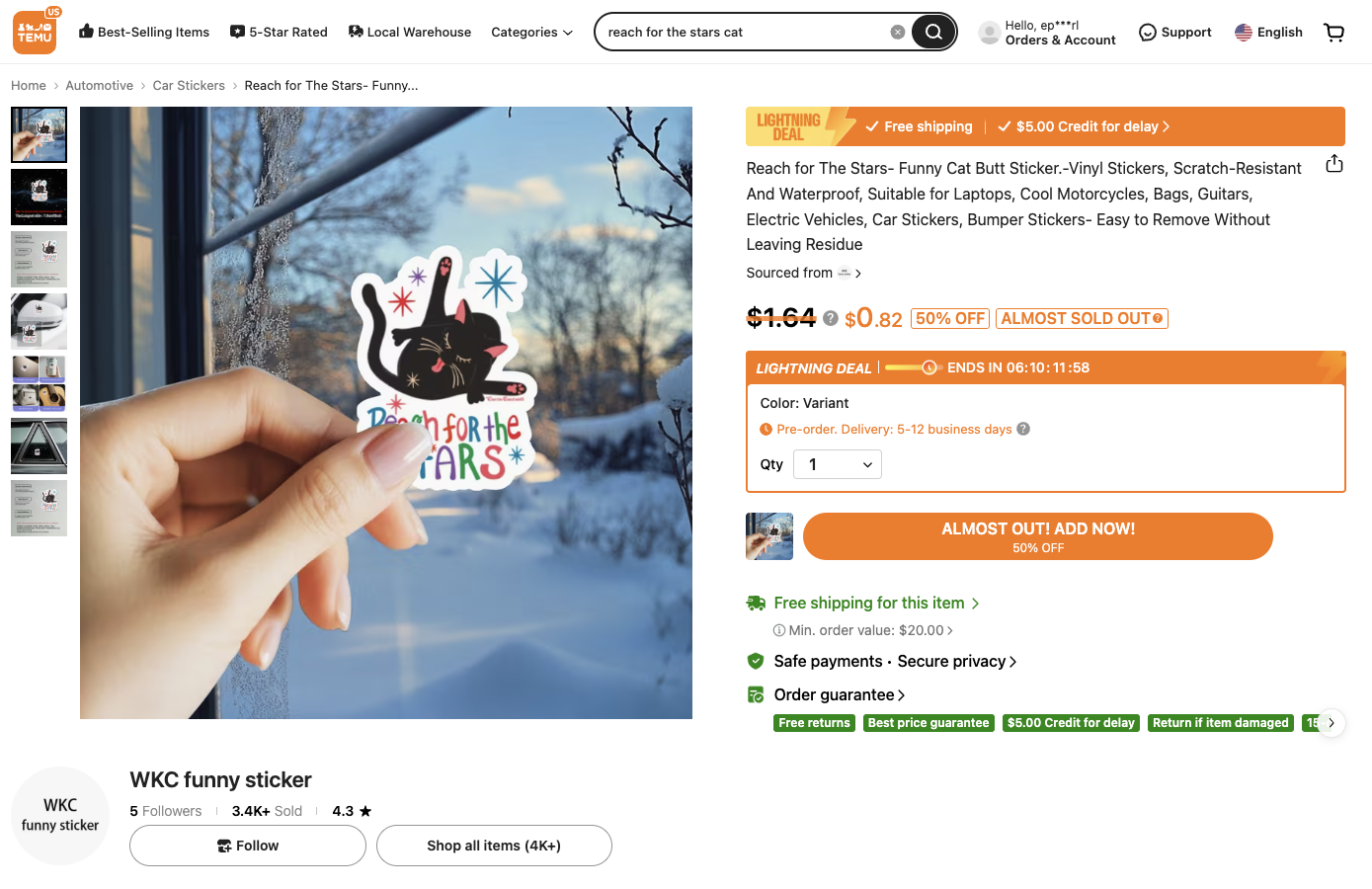
Every time I report stolen artwork on Temu, it feels like a never-ending game of whack-a-mole. I file DMCA notices. Sometimes the listings get removed. Then the same stolen art pops right back up again under another seller, another listing, another account. Over and over.
The Difficult Reality About Overseas Copyright Enforcement
This is one of the hardest lessons for artists to learn: International copyright enforcement is often incredibly difficult.
Some overseas marketplaces:
ignore takedown requests
relist stolen products
rotate sellers
duplicate listings
reopen under different accounts
This creates an exhausting cycle for artists trying to protect their work online.
And unfortunately, independent creators rarely have the legal resources giant corporations have.
What About AI Art Theft?
AI-generated art has added another complicated layer to this issue.
Many artists are concerned that AI image generators have been trained on copyrighted artwork scraped from the internet without permission or compensation.
If you believe your artwork has been used to train AI systems:
document where you found it
research platform opt-out tools
stay informed about legal developments
avoid signing unclear licensing agreements
follow artist advocacy organizations
Some artists are also using tools designed to make AI scraping more difficult, including:
Glaze
Nightshade
metadata protection
lower-resolution uploads
watermarking strategies
The legal landscape around AI copyright is still evolving rapidly.
How Artists Can Protect Their Artwork Online
No method is perfect, but there are ways to reduce risk and build a more resilient creative business.
Here are a few practical things I teach and personally practice:
✨ Build a recognizable brand around your art, not just individual designs
✨ Diversify your income streams so one stolen product doesn’t destroy your business
✨ Sell directly through your own website or Etsy shop whenever possible
✨ Keep organized records of your artwork and creation dates
✨ Watermark preview images when appropriate
✨ Understand that enforcement is imperfect, especially internationally
✨ Focus on building loyal customers who want to support original artists

I sell my own Reach for the Stars products, so purchasing them directly from me ensures you’re supporting the artist behind the art.
Why Ethical Shopping Matters
For consumers, this issue matters too.
Ultra-cheap products often come at a hidden cost.
Sometimes that cost is stolen artwork, copied designs, or independent creators losing income while billion-dollar companies profit from their labor.
The best way to support artists?
💛 Buy directly from artists
💛 Support small creative businesses
💛 Credit original creators
💛 Choose ethical shopping whenever possible
Because behind every illustration, painting, surface pattern, or product design is a real person who spent years developing their creative skills.
The Most Important Thing I Want Artists To Remember
One thing I never want my students to do is build a business rooted in fear.
The goal is not to panic about art theft.
The goal is to build a creative career sturdy enough that even when difficult things happen, your business can continue growing.
Your art still matters.
Your voice still matters.
And original creativity will always outshine knockoffs in the long run.
Thank you for supporting independent artists, ethical shopping, and original creativity. It truly makes a difference.