How to Sell Your Art on Etsy
How to sell art on Etsy (quick answer):
To sell art on Etsy, start by choosing a specific art style and product type, create a cohesive shop identity, set up your Etsy shop, and list products with clear photos and descriptions. Focus on a consistent brand identity and products that appeal to a defined audience to increase your chances of making sales.
How to Sell Your Art on Etsy: A Beginner-Friendly Guide for Artists
I’m Carrie Cantwell, an illustrator, surface pattern designer, art brand and Etsy Star Seller. I made this to be the clear, no-fluff foundation I wish I had when I started.
If you’re an artist wondering how to sell your art on Etsy, the good news is this: you don’t need a huge audience, expensive tools, or years of business experience to get started.
What you do need is a clear foundation, and that’s exactly what most artists are missing when they first open their shop.
This guide will walk you through the essentials of starting an Etsy shop as an artist, so you can go from “just thinking about it” to actually making your first sales.
Why Etsy Is a Powerful Platform for Artists
Etsy is one of the best platforms for artists because it’s built specifically for creative businesses. Unlike starting your own website from scratch, Etsy already has millions of shoppers actively searching for unique, handmade, and artistic products.
That means you’re not just posting your art, you’re placing it in front of people who are already looking to buy.
For artists, this lowers the barrier to entry significantly and makes it possible to start selling faster.
What You Can Sell as an Artist on Etsy
One of the biggest questions artists have is: what should I actually sell?
The answer is: more than you think.
Here are some popular product types artists sell on Etsy:
Art prints (physical or digital downloads)
Stickers and stationery
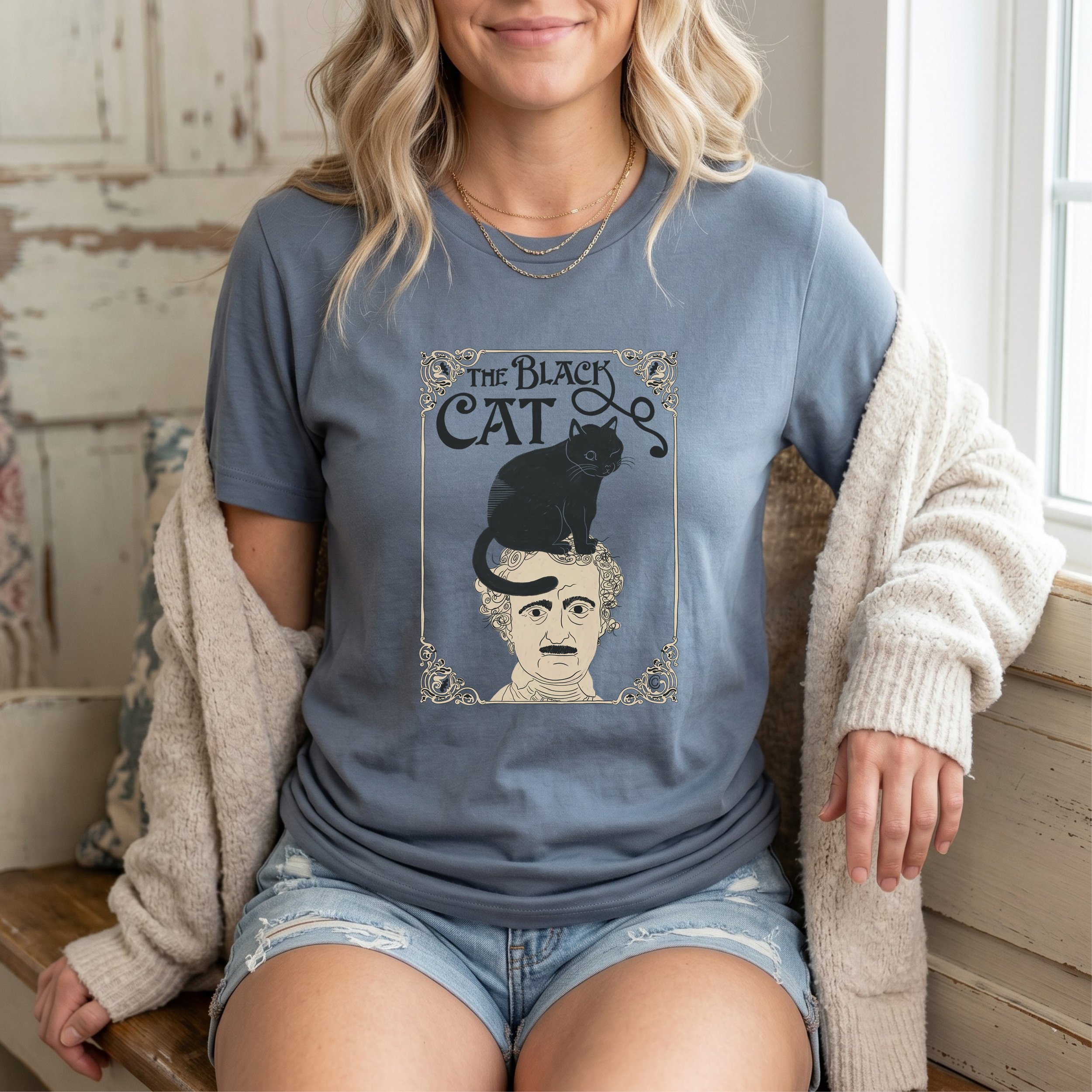
Print-on-demand products (like mugs, apparel, and home decor)
Original artwork
Pattern-based products (fabric, wallpaper, etc.)
The key is not just picking a product, it’s choosing products that align with your style and are appealing to a specific audience.

The Step Most Artists Skip (But Shouldn’t)
Before you even open your Etsy shop, there’s one step that makes everything easier:
Define your shop identity.
Many artists jump straight into listing products, but without a clear direction, their shop ends up feeling scattered, and that makes it harder to attract buyers.
Instead, start with a simple vision:
What kind of art do you want to be known for?
Who is your ideal customer?
What feeling or aesthetic ties your work together?
A quick and effective way to do this is by creating a vision board. This helps you visually define your brand style, product direction, and overall vibe before you start selling.
Think of it as your creative compass, it keeps your shop consistent and recognizable.

How to Start Selling on Etsy (Simple Steps)
Once you have a clear direction, starting your Etsy shop becomes much more straightforward:
Set up your Etsy account and shop
Choose a shop name that reflects your brand
Create your first product listings
Use clear photos and descriptions
Start with a small, focused product range
You don’t need to have everything perfect. The goal is to start with intention and improve as you go.
A Beginner-Friendly Way to Learn the Process
If you want a step-by-step walkthrough of how Etsy works specifically for artists, I created a class to guide you through it:
“Etsy for Artists: A Quick-Start Guide to Selling Art and Building Your Brand” (now a Skillshare Staff Pick 🎉)
In this class, I cover:
How Etsy works for artists
What to sell and how to choose
Why branding matters more than most people realize
How to create a cohesive shop identity using a vision board
I also include a free workbook to help you organize your ideas and take action as you learn.
Final Thoughts: Start Before You Feel Ready
Most artists wait too long to start selling because they feel like they need everything figured out first.
You don’t.
Etsy rewards action, experimentation, and consistency, not perfection.
If you’re serious about turning your art into income, the best thing you can do today is take the first step with a clear plan behind you.